

Carbonization Furnace
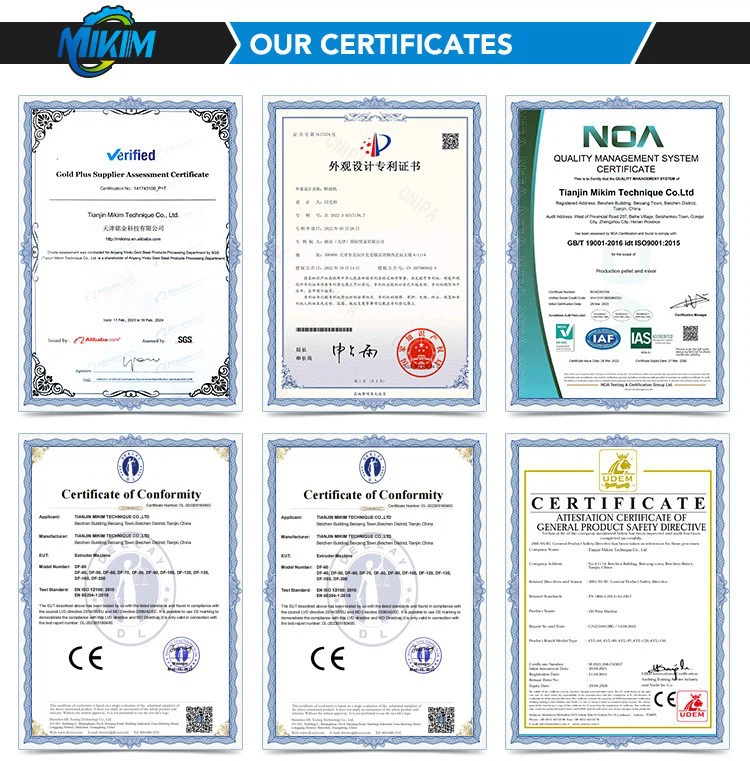
Mikim Machinery is a high-tech enterprise integrating scientific research, design, manufacture, installation and commissioning, and after-sales service. 13 years have been dedicated to the design and production of feed machinery industry, and passed many certifications such as CE, ISO, etc. At present, we are mainly engaged in two fields: wood pellet mill production line and rod making machine production line.We specialize in biomass fuel industry.
Why Choose Us
Rich Experience
The key electronic components, pneumatic and hydraulic systems of MIKIM machinery are all made of well-known brands. The company owns dozens of production patents, and its output products are world-renowned, making it a leader in the industry. With hundreds of employees, the company is strategically located at the junction of three provinces. MIKIM has won the recognition and trust of customers with its excellent performance, advanced technology and good reputation.
Professional Team
Before the sale we seriously answer customer questions, to provide customers with reliable programs and quality up to standard equipment, at the same time we support on-site inspection, in the sale we guarantee delivery, for you to choose a reliable mode of transportation, instantly update the logistics information, after the sale we provide technical support, to protect your subsequent use, we strive to exceed the customer's expectations with quality after-sales service.
High Quality
MIKIM's machines are widely used in various fields in China and exported to Southeast Asia, Europe, Africa, South America, Middle East countries and other regions. The quality of the products can stand the test of the market, and the parts are all adopted the world famous brand, MIKIM is your trustworthy machinery supplier.
Competitive Price
Our price is reasonable, the purpose is committed to let the global customers to use the quality of qualified machinery and equipment, at the same time, we also look forward to cooperating with the majority of customers, recruiting agents around the world, win-win cooperation.
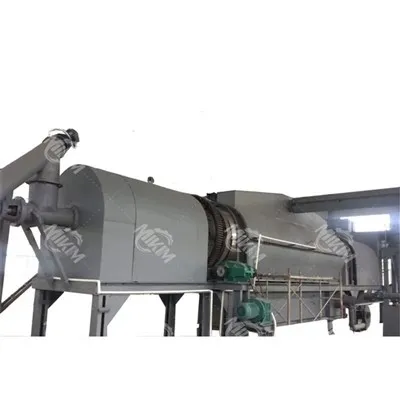
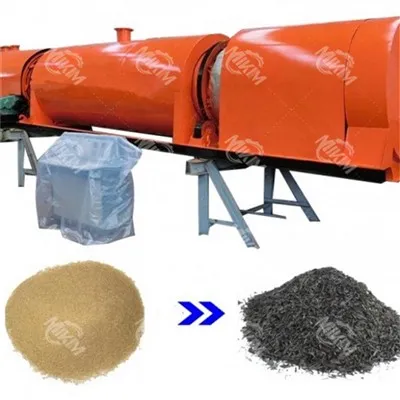


The carbonization furnace is a kind of equipment that can carry out dry distillation and anaerobic carbonization of wood materials containing carbon under high-temperature conditions in the furnace. During the carbonization of the material, a large number of combustible gases such as carbon monoxide, methane, and oxygen will be produced. Our carbonization furnace adopts advanced technology to recover, purify, and cyclically burn these combustible gases.
The carbonized material has the advantages of high calorific value, no smoke during combustion, no explosion, and environmental protection. Our carbonization furnace has the advantages of reasonable structure, energy saving, fast cooling speed, good charcoal quality, and a short production cycle. It is an ideal equipment for the carbonization of wood materials.
Higher Yield of Charcoal
One of the most significant benefits of using a Carbonization Furnace is the higher yield of charcoal. Because the furnace operates continuously, it can process a large volume of feedstock in a shorter period. This results in a higher yield of charcoal, which can increase your production and profitability. A Carbonization Furnace can produce up to 1 ton of charcoal per hour.
Reduced Emissions
Traditional charcoal production methods involve burning the feedstock in open pits, which results in significant emissions of greenhouse gases and other pollutants. In contrast, a Carbonization Furnace uses a closed system that captures and recycles the emissions, resulting in significantly lower emissions and a smaller environmental footprint. This makes it an ideal solution for those who want to reduce their environmental impact while still producing high-quality charcoal.
Improved Quality of Charcoal
Carbonization Furnaces produce charcoal with a higher quality and consistency compared to traditional methods. The furnace’s closed system allows for precise temperature control, which results in a more uniform and higher-quality product. The quality of the charcoal produced is important for its end use in cooking, heating, and other applications.
Cost Savings
Although the initial investment in a Carbonization Furnace may be higher than traditional methods, the long-term cost savings can be significant. The furnace’s higher yield of charcoal, lower emissions, and improved quality can all contribute to increased profitability over time. Moreover, a Carbonization Furnace requires less labor and has lower operating costs, resulting in overall cost savings.
Versatile
A Carbonization Furnace can process various types of organic materials such as wood chips, sawdust, and rice husks, making it a versatile solution for sustainable charcoal production. This means that it can be adapted to different feedstocks depending on availability and market demand. Moreover, the by-products of the carbonization process such as wood vinegar and tar can also be sold or used for other applications, increasing the overall profitability of the process.
Types of Carbonization Furnace
Hoisting Type Carbonization Furnaces
Hoisting type carbonization furnaces are the most common type of carbonization furnace. They are relatively simple to construct and operate, and they are capable of producing high-quality charcoal. However, hoisting type carbonization furnaces require the use of lifting equipment to load and unload materials, which can be cumbersome.
Continuous Carbonization Stove
Continuous carbonization stove is a more efficient type of carbonization furnace. They can produce charcoal 24 hours a day, 7 days a week. However, continuous carbonization equipment can be more expensive to purchase and operate than hanging carbonization equipment.
Horizontal Carbonizing Machine
Horizontal Carbonizing Machine is a relatively new type of carbonization furnace. They are designed to produce charcoal with a high yield and low ash content. However, a horizontal Carbonizing Machine can be more expensive to purchase and operate than a hanging or continuous Carbonizing Machine.
How does a Carbonization Furnace Work?
Carbonization furnaces are a type of industrial equipment used to convert organic materials into carbon or a carbon-rich material through the process of pyrolysis. There are various designs and configurations of carbonization furnaces, but they generally consist of the following components:
A Heating Chamber: This is the main part of the furnace where the organic material is heated to the desired temperature. The heating chamber is typically lined with refractory materials, such as bricks or ceramic, to prevent heat loss and to protect the furnace structure from high temperatures.
A Heating System: This is the source of heat for the furnace, which can be powered by a variety of energy sources, such as electricity, natural gas, coal, or biomass. The heating system is typically controlled by a thermostat or other temperature control device to ensure that the organic material is heated to the desired temperature.
A Feed System: This is a mechanism for introducing the organic material into the heating chamber, such as a conveyor belt or a hopper. The feed system is designed to evenly distribute the material across the heating chamber and to maintain a constant flow of material into the furnace.
A Gas Removal System: During the carbonization process, a variety of gases are released from the organic material as it is heated. These gases must be removed from the heating chamber to prevent the risk of explosion or fire. The gas removal system typically consists of a series of pipes or vents that are connected to the heating chamber and lead to a gas scrubber or other treatment system.
A Cooling System: After the carbonization process is complete, the carbonized material must be cooled before it can be handled or processed further. The cooling system is designed to rapidly lower the temperature of the material, typically through the use of air or water circulation.
The carbonization of materials is mainly divided into three stages: drying stage, initial stage of carbonization, and full carbonization stage.
Drying Stage: From the start of ignition to the furnace temperature rising to 160°C, the moisture contained in the machine-made rods evaporates mainly by the amount of external heating and the heat generated by the combustion itself. The chemical composition of the machine-made rod has hardly changed.
The Initial Stage Of Carbonization: This stage mainly relies on the combustion of the rod itself to generate heat, which raises the furnace temperature to between 160 and 280°C. At this time, the wood material undergoes a thermal decomposition reaction, and its composition begins to change. Among them, unstable components, such as hemicellulose decomposition to produce CO2, CO, and a small amount of acetic acid and other substances.
Full Carbonization Stage: The temperature at this stage is 300 to 650°C. In this stage, the wood material undergoes rapid thermal decomposition, and a large number of liquid products such as acetic acid, methanol, and wood tar are generated at the same time. In addition, combustible gases such as methane and ethylene are produced, and these combustible gases are burned in the furnace. Thermal decomposition and gas combustion generate a lot of heat, which increases the furnace temperature, and the wood material is dry distilled into charcoal at high temperatures.

Components of Carbonization Furnace
A Carbonization Furnace is composed of several key components that work together to facilitate the pyrolytic conversion of organic materials into carbonized products. Here's an in-depth look at these components:
Chamber (Retort)
The core of the Carbonization Furnace is the chamber or retort, where the raw material is placed. This chamber is designed to be heat-resistant and is typically made from steel or refractory materials that can withstand high temperatures without degrading. The chamber must be airtight to prevent oxygen from entering and ensuring an oxygen-free environment for carbonization to occur.
Heating System
The furnace is equipped with a heating system to elevate the temperature inside the chamber. This can be a combustion system that burns a fuel like natural gas, biomass, or diesel in a controlled manner to generate heat, or it can be an electric heating system using resistance or induction elements. The heating system is carefully designed to ensure that the heat is evenly distributed throughout the chamber.
Insulation Materials
Surrounding the chamber are layers of insulation materials. These can include ceramic fibers, calcium silicate, or other high-temperature insulators that help retain heat within the furnace and reduce energy consumption by minimizing heat loss.
Temperature Control and Monitoring Equipment
To manage the carbonization process effectively, precise temperature control is essential. Temperature sensors and controllers are installed to monitor and regulate the internal temperature of the furnace. These systems may include programmable logic controllers (PLCs) that automate the temperature regulation based on predefined settings.
Gas Condensation and Collection System
During the carbonization process, various gases and condensates are released. A system comprising condensers, scrubbers, and collection tanks is integrated into the furnace to capture these byproducts. The gases are cooled and condensed to extract oils and tars, which can be sold as additional revenue streams or used as fuels within the carbonization process.
Exhaust and Emission Treatment System
To comply with environmental regulations, a system is in place to treat the exhaust gases produced during carbonization. This may involve afterburners, catalytic converters, or filters to reduce particulate matter and harmful emissions before they are released into the atmosphere.
Unloading Mechanism
A mechanism is incorporated into the design of the Carbonization Furnace to allow for the safe and efficient removal of the carbonized product once the cooling process is finished. This could be a manually operated door or a more advanced robotic system for larger-scale operations.
Feeding and Discharging Systems
For automated operations, feeding systems are used to load the raw material into the chamber, while discharging systems are used to remove the carbonized product. These can include augers, conveyors, or other mechanical devices designed to handle the material gently to preserve the quality of the carbonized product.
The quality of charcoal is the most concern of manufacturers of wood briquette machine, since the quality of charcoal determines the sales price. Advanced carbonizing technology and equipment maintenance can effectively enhance the quality of charcoal. The following is about the cleanliness of the carbonizing furnace.
Affected by high temperature carbonization, the bottom and top of carbonizing furnace would be sticky with a small amount of ash composition after each carbonizing process. Most of the ash composition comes from the ash impurities on the surface of semi-finished briquette. For individual special circumstances, for example, untight seal welding of carbonizing furnace, the ash impurities of external environment would also mix into it easily. Though residues in the carbonizing furnace are seemingly insignificant, it will seriously affect the quality of carbonizing in the production. If residues in carbonizing furnace have not been cleaned in the secondary carbonizing process, once the temperature of carbonizing furnace reaches 300 degrees, the ash composition at the top and bottom of carbonizing furnace would fall due to the high temperature of carbonization, and the drop ash composition would then stick on the surface of semi-finished products, eventually the ignition point of wood briquettes produced in the environment would be very low and the quality is inferior.
To stabilize the carbonizing quality of carbonizing furnace, we need to clean the ash remaining in the carbonizing furnace after each processing. Only ensures the cleaness of the carbonizing furnace, the quality of charcoal can not be affected by ash impurities. Therefore, after each use, it is necessary to clean the carbonizing furnace.
How To Use A Carbonization FurnaceCorrectly?
A Carbonization Furnaceis ideal for anaerobic distillation charring. It adopts an advanced steam cooling system, which can save a lot of heat. The machine has the advantages of fast cooling speed, short product cycle and high charcoal quality.
Fill the inner liner of the Carbonization Furnacewith biomass materials like logs.
After filling, use the lid with pipe to close the lid of the barrel and put it inside the shell of the charring stove.
Light the pilot flame and adjust the valve to direct the water vapor into the water tank to purify and discharge.
When the water vapor is discharged and yellow combustible gas appears, adjust the valve again, close the water tank and direct the combustible gas to the bottom of the furnace to burn.
Observe the burning situation, when there is no longer combustible gas discharge, that means the charring is complete.
After the carbonization process is finished, take out the inner liner, cool it for 2 hours, then replace the sealed lid until the temperature drops below 50 degrees Celsius, and you can take out the charcoal.
Replace the wood in the other furnace with a lid with a pipe and put it into the furnace for a new round of charring.
Our Factory
Mikim Machinery is a high-tech enterprise integrating scientific research, design, manufacture, installation and commissioning, and after-sales service. 13 years have been dedicated to the design and production of feed machinery industry, and passed many certifications such as CE, ISO, etc.
Certificate
FAQ
We're professional carbonization furnace manufacturers and suppliers in China, specialized in providing high quality customized service. Please rest assured to buy high-grade carbonization furnace for sale here from our factory.
carbonization element, carbonization integration, fuel rod production furnace