

Ring Molds Briquetting Machine
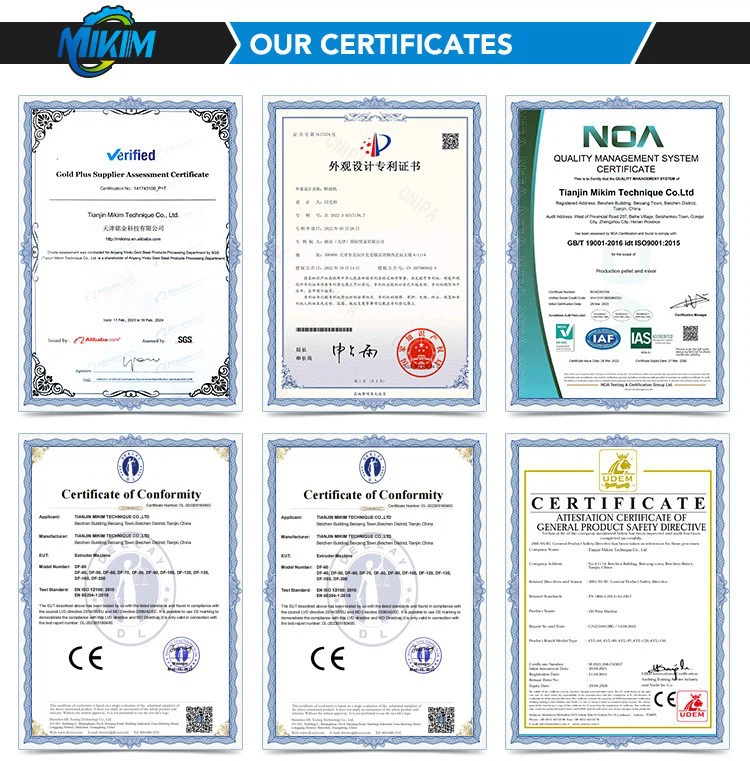
Mikim Machinery is a high-tech enterprise integrating scientific research, design, manufacture, installation and commissioning, and after-sales service. 13 years have been dedicated to the design and production of feed machinery industry, and passed many certifications such as CE, ISO, etc. At present, we are mainly engaged in two fields: wood pellet mill production line and rod making machine production line.We specialize in biomass fuel industry.
Why Choose Us
Rich Experience
The key electronic components, pneumatic and hydraulic systems of MIKIM machinery are all made of well-known brands. The company owns dozens of production patents, and its output products are world-renowned, making it a leader in the industry. With hundreds of employees, the company is strategically located at the junction of three provinces. MIKIM has won the recognition and trust of customers with its excellent performance, advanced technology and good reputation.
Professional Team
Before the sale we seriously answer customer questions, to provide customers with reliable programs and quality up to standard equipment, at the same time we support on-site inspection, in the sale we guarantee delivery, for you to choose a reliable mode of transportation, instantly update the logistics information, after the sale we provide technical support, to protect your subsequent use, we strive to exceed the customer's expectations with quality after-sales service.
High Quality
MIKIM's machines are widely used in various fields in China and exported to Southeast Asia, Europe, Africa, South America, Middle East countries and other regions. The quality of the products can stand the test of the market, and the parts are all adopted the world famous brand, MIKIM is your trustworthy machinery supplier.
Competitive Price
Our price is reasonable, the purpose is committed to let the global customers to use the quality of qualified machinery and equipment, at the same time, we also look forward to cooperating with the majority of customers, recruiting agents around the world, win-win cooperation.

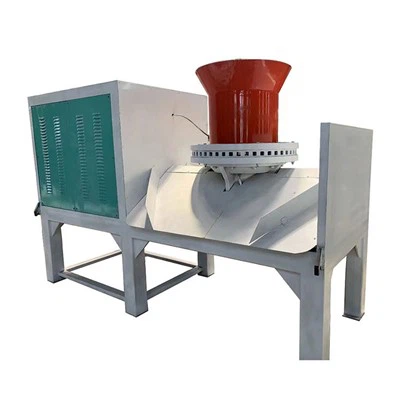
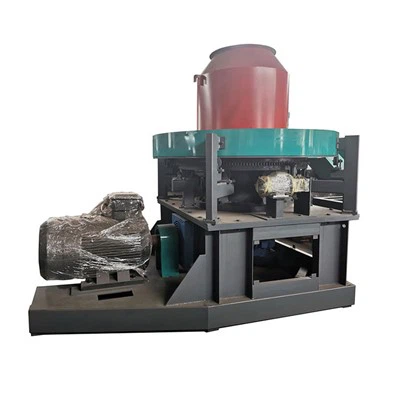


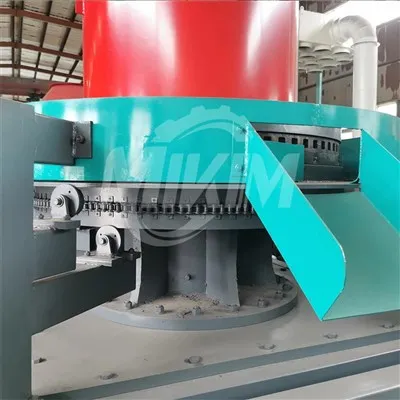


Waste materials for making briquettes are not useless, as most people believe them to be. Although they are the left-over prime renewable energy project throughout the world. Waste materials for making briquettes are not useless, as most people believe them to be. Although they are the left-over pieces from industrial processes and natural waste, they can be used for many different uses. And though most people wouldn't think it, these are the key to creating a better world and a better future. The form change results in a much higher specific density of the material, which increases its combustion efficiency as compared to the loose material. Dedicated to biomass green energy researching and equipment designing, our self-researched ring die biomass briquette machine have brought hope to a safe living environment.
Advantages of Ring Molds Briquetting Machine
High Production Capacity
Ring mold machines are typically designed for industrial-scale production, capable of producing hundreds to thousands of briquettes per hour depending on the model and configuration.
Automation Options
Advanced models may include automation features such as programmable PLC controls, automatic feeding systems, and conveyors for continuous operation with minimal manual intervention.
Adjustable Density
The pressure applied by the machine can be adjusted to create briquettes with varying densities, which affects their burning time and heat output.
Cooling System
After briquettes are formed, they are often passed through a cooling section to solidify and reduce the temperature before packaging or storage.
Dust Extraction
To improve working conditions and prevent environmental contamination, many machines come equipped with dust extraction systems to remove fine particles generated during the briquetting process.
Quality Control
Some machines incorporate mechanisms for quality control to ensure that only properly formed briquettes are produced, such as ejecting misshapen or broken briquettes.
Piston Press
This mechanical briquetting press is made up of a ram (piston) and a die. It is powered by either an electric motor or a diesel engine. To make biomass briquettes with a briquetting press, a ram with a very high compaction pressure is reciprocated into a die to form a briquette. For large-scale production, the machine generates a compressive force of 200 MPa, with production ranging from almost 200 kg/h to 2,500 kg/h.
Hydraulic Press
The raw material is conveyed to the pre-compactor by the screw conveyor in a hydraulic briquetting press, after which it is pushed into the die by the main piston, which compresses the raw material into the final form. The pressure of the die in this type of briquette press can be modified, which changes the density of the final briquettes.
Manual Press
There are numerous varieties of manual briquette presses that aid in the densification of materials. These presses are operated with bare hands and rarely use electricity. They have an entirely manual operation, produce a little amount of briquettes, and are usually utilised in the home.
Screw Press
Screw Briquette presses usually include three types: conical screw presses, cylindrical screw presses with heated dies, and cylindrical screw presses. In these presses, continuous feeding into a screw with heated dies to push the material into a cylindrical die to make lignin flow is used. This technology works with a special screw pressure that pushes raw material into a chamber to narrow it.
Roller Press
The roller briquette press is set up to make pillow-shaped briquettes from a variety of feedstocks. With dual cylindrical rollers rotating in opposite directions on parallel axes, it works on pressure and agglomeration. There are two rollers in the procedure to keep a tiny gap between them. It is usually determined by elements such as feedstock type, moisture content, particle size, binder addition, etc.
Materials For Making Briquettes With Ring Molds Briquetting Machine
The primary factor affecting the quality of mechanism charcoal is the raw material selection and the quality of the Ring Molds Briquetting Machine, among which the raw material is the key factor influencing the quality of mechanism charcoal. Some users think that all the raw materials containing lignin and can be burned are suitable for making mechanism charcoal, while some people believe that all the raw materials are not suitable for making mechanism charcoal except the hardwood and even the agriculture and forestry wastes are excluded. In fact, this two kinds of thoughts are one-sided. First of all, the crop straw can be used as the raw material for mechanism charcoal as well. However, due to the small density and lower lignin content of straw, certain amount of hardwood should be added in order to guarantee the quality of the mechanism charcoal. Although simply use straw, wheat-straw and other non-wood raw materials can also produce briquette and the cost is reduced compared to the hardwood sawdust, the mechanism charcoal produced after carbonizing can not burn for a long time with poor deashing effect and lower density.
As we know, the forming principle of the Ring Molds Briquetting Machine is to process the crushed plants with the size under 10 mm and containing carbon fiber through high intensity extrusion and make the fiber combined together and form mechanism briquettes with hollow center. The best material for making mechanism charcoal is the hardwood. When using straw, bark or mushroom residues as the raw material for mechanism charcoal, generally different proportions of sawdust should be mixed to make the molding of plant fiber more easily and finally achieve the production of mechanism charcoal with high density and high strength performance.
Sometimes, the wood fiber in the hardwood is not ideal. Once been destroyed, it is difficult to recover. Then, good charcoal briquette can not be produced even under high molding temperature and extrusion. In that case, it should be mixed with other raw materials in order to improve the bonding ability. Due to the wider choice of raw materials for mechanism charcoal, it requires the users to research and find out the most suitable raw materials. With good raw materials and high quality Ring Molds Briquetting Machine, good mechanism charcoal can be produced undoubtedly.

Ring Molds Briquetting Machine is Uses a Waste Management
Briquetting machine are mechanical devices that compress materials, typically biomass or other organic waste, into compact, solid briquettes. These machines apply pressure and bind the waste particles together, transforming them into a high-density fuel source.
One of the primary advantages of using briquetting machines for Municipal Solid Waste is waste volume reduction. Municipal Solid Waste often comprises a diverse range of materials, including food waste, paper, plastic, textiles, and more. By compacting the waste into briquettes, the volume is significantly reduced, making it easier to store, transport, and handle. This reduction in volume also helps alleviate the strain on landfills, which are rapidly running out of space in many areas.
These briquettes can be used for various purposes, including heat generation in industrial boilers, cooking fuel for households, and even power generation in some cases. Compared to traditional fossil fuels such as coal, the use of briquettes derived from Municipal Solid Waste significantly reduces greenhouse gas emissions and contributes to mitigating climate change.
Briquetting machines provide a means to recover valuable resources from MSW. Many waste materials contain valuable components that can be extracted and reused. For instance, organic waste can be converted into biogas or biochar through the briquetting process.
Biogas can be used for electricity or heat generation, while biochar can be used as a soil amendment in agriculture, promoting soil health and fertility. By extracting these resources, briquetting machines contribute to a more circular and sustainable economy.
Furthermore, briquetting machines offer economic benefits to communities. The process of briquetting creates job opportunities for individuals involved in waste collection, sorting, and briquette production. Local businesses can be established to handle MSW and operate briquetting machines, leading to economic growth and improved livelihoods.
It is worth noting that the successful implementation of briquetting machines as a municipal solid waste solution requires a comprehensive waste management strategy. Collection, sorting, and segregation of waste at the source are crucial to ensure the quality of the briquettes produced.
In the aquaculture industry, briquetting is used to create compacted fish feed that is easier to handle and dispense to fish populations. The uniform shape and size of the briquettes ensure even feeding and can improve the overall health of the aquatic ecosystem.

How to choose Ring Molds Briquetting Machine?
Given that briquetting industry is an overwhelming trend that will continue being hot and will contribute more and more portion in renewable energy marketing, different designs of Ring Molds Briquetting Machines are rolled out. By and large, two essential kind of briquette press can be observed in the market: stamping type briquette press, screw press Ring Molds Briquetting Machine, and hydraulic Ring Molds Briquetting Machine, each type has its unique power driven pattern. What interesting is that In Chinese market, especially an integrated machinery that can both make briquettes and pellets is eye catching. Scientifically speaking, by looking at its working theory, this dual function machine is just a improved type of stamping briquette press.
From the view of feedstock that a briquette machine is processing, there are charcoal briquettes maker, wood briquettes maker, paper briquettes maker, even metal briquettes maker.
Uses of Ring Molds Briquetting Machine
Biomass Energy Production
Briquettes made from organic materials like wood, sawdust, and agricultural residues are used as a renewable energy source.
Waste Recycling
Briquetting can be applied to various waste materials, reducing their volume and facilitating easier transportation and disposal.
Heating And Cooking
Briquettes can be used as a clean and efficient fuel source for heating and cooking in residential or industrial settings.
Coal Briquetting
Coal fines or powdered coal can be briquetted to enhance combustion efficiency and reduce environmental impact.
Chemical and Mineral Industries
Briquetting is used in various industries for handling and processing powdered or granular materials.
Metal Scrap Recycling
Metal chips or shavings can be briquetted to improve handling and recycling efficiency.
What is the Production Process Of The Briquetting Press
A briquetting press, also known as a briquette press or briquette machine, is a device that converts waste materials or biomass into compact, solid fuel briquettes. These briquettes are typically cylindrical in shape and can be used as an alternative to traditional fuels like coal, wood, or charcoal.
The process of briquetting involves compressing the raw material under high pressure to form briquettes. The raw materials used can vary widely and include agricultural residues, such as rice husks, straw, or sawdust, as well as industrial waste, like paper, cardboard, or metal shavings. The briquetting process not only reduces the volume of waste materials but also makes them easier to handle, transport, and store.
Briquetting presses come in different types and sizes, ranging from small manual presses to large automated machines. The basic components of a briquetting press include a feeding system, a compression chamber, a die or mold, and a hydraulic or mechanical system for applying pressure.
In the feeding system, the raw material is typically fed into a hopper, which delivers it to the compression chamber. The compression chamber contains the die or mold, which determines the shape and size of the briquettes. When pressure is applied, the raw material is compacted and forced through the die, forming solid briquettes.
The pressure in a briquetting press can be applied using hydraulic systems or mechanical systems. Hydraulic presses use hydraulic cylinders to generate high pressure, while mechanical presses use mechanical force, such as a screw or crank mechanism. Some briquetting presses also include heating elements to facilitate the binding of the raw material.
The Ring Molds Briquetting Machine regular maintenance method
Ring Molds Briquetting Machine installation should pay attention to in addition to the provisions of power supply, grounding, change, and other aspects of the cooling loop, also need to pay extra attention to the installation, coal briquetting machine should be strong and weak signal line isolation through electrical specifications, in strict accordance with the pipeline connected to avoid interference. In outdoor open environment, should adopt independent external lightning protection measures. Ball press itself should also maintain a good grounding, to prevent the accumulation of static pressure on the impact of the ball machine. Installation should be properly connected to power lines, communication lines and video lines, the connection should be carefully refer to the installation instructions, has been confirmed in the correct installation. Generally, the equipment should be installed in the later stage of construction, in order to avoid the construction site of a large number of dust intrusion into the ball machine, directly affect its use effect and life.
Sweep down the coal briquette machine down the dust on the machine, the demolition process should also pay attention to dust removal, demolition and inspection should be prohibited dust intrusion into the moving parts;
Open the internal cleaning inspection, and check the bearing, spiral, triangular lining plate, mouth and other parts of the wear, replace the bearing grease;
Remove the bearing cover of the roller shaft and check the wear of the bearing;
Take off the inspection cover of the gear reducer to check the gear wear and gear state;
Check the base bolt, the safety bolt is loosened and tightened.
Our Factory
Mikim Machinery is a high-tech enterprise integrating scientific research, design, manufacture, installation and commissioning, and after-sales service. 13 years have been dedicated to the design and production of feed machinery industry, and passed many certifications such as CE, ISO, etc.
Certificate
FAQ
We're professional ring molds briquetting machine manufacturers and suppliers in China, specialized in providing high quality customized service. Please rest assured to buy high-grade ring molds briquetting machine for sale here from our factory.
Ring die briquetting machine, briquetting machine with ring molds, sawdust briquette maker