

Wood Pellet Production Line
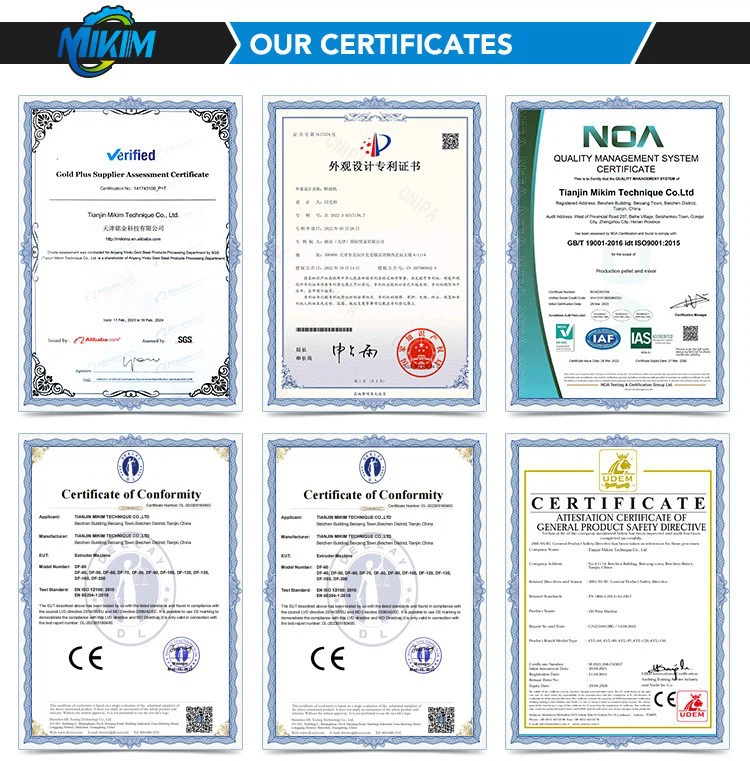
Mikim Machinery is a high-tech enterprise integrating scientific research, design, manufacture, installation and commissioning, and after-sales service. 13 years have been dedicated to the design and production of feed machinery industry, and passed many certifications such as CE, ISO, etc. At present, we are mainly engaged in two fields: wood pellet mill production line and rod making machine production line.We specialize in biomass fuel industry.
Why Choose Us
Rich Experience
The key electronic components, pneumatic and hydraulic systems of MIKIM machinery are all made of well-known brands. The company owns dozens of production patents, and its output products are world-renowned, making it a leader in the industry. With hundreds of employees, the company is strategically located at the junction of three provinces. MIKIM has won the recognition and trust of customers with its excellent performance, advanced technology and good reputation.
Professional Team
Before the sale we seriously answer customer questions, to provide customers with reliable programs and quality up to standard equipment, at the same time we support on-site inspection, in the sale we guarantee delivery, for you to choose a reliable mode of transportation, instantly update the logistics information, after the sale we provide technical support, to protect your subsequent use, we strive to exceed the customer's expectations with quality after-sales service.
High Quality
MIKIM's machines are widely used in various fields in China and exported to Southeast Asia, Europe, Africa, South America, Middle East countries and other regions. The quality of the products can stand the test of the market, and the parts are all adopted the world famous brand, MIKIM is your trustworthy machinery supplier.
Competitive Price
Our price is reasonable, the purpose is committed to let the global customers to use the quality of qualified machinery and equipment, at the same time, we also look forward to cooperating with the majority of customers, recruiting agents around the world, win-win cooperation.
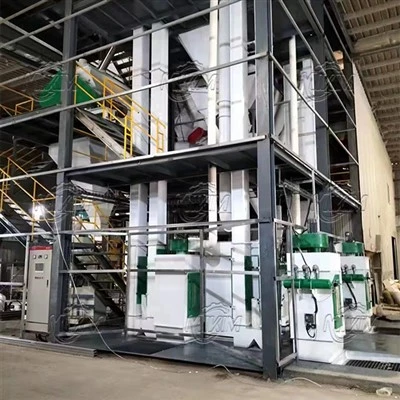
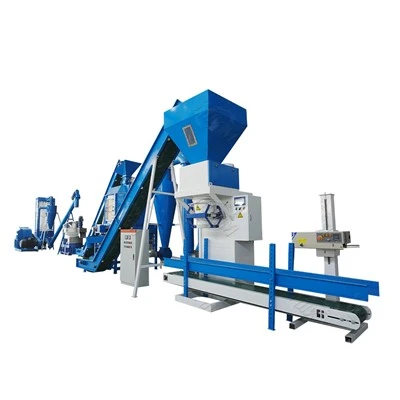
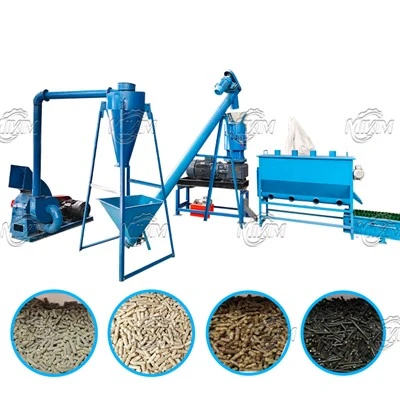


Complete wood pellet plant is used to make biomass materials into wood pellet fuel. The production capacity is from 500kg to 2ton per hour. It is composed of a hammer mill, dryer, conveyor, pellet machine, conterflow cooler, and pellet packing machine, etc.
The wood pellet production line can accomplish the whole process of wood pellet production, including raw materials crushing, drying, pelletizing, pellet cooling and packing. It applies to various biomass materials such as sawdust, wood chips, wood shaving, crop straw, stalk, rice husk, wheat bran, peanut husk, grass, alfalfa, hay, etc.
The raw material is easy to get, such as crop stalk, leaves, wood shavings, grass, saw dust and other combustible biomass. They are also renewable.
Low cost of investment. The cost of material is almost zero, and then, after simple training, the labor cost is very low because of easy operation of wood pellet mill.
Turn waste into wealth. Wood pellet mill helps farmer to benefit from waste agricultural residues, increase their income. At the same time, solve the problem of crop stalk, which protects environment as well.
Environment friendly. Compared to traditional fuel, the burning process of wood pellet has little environmental pollution. As a clean energy source, the content of harmful substances is low, and the content of ash, sulfur and nitrogen is much lower than that of mineral energy.
Biomass energy generally has a sulfur content of no more than 0.2%. The combustion process releases CO2 with the same amount of material absorption, which helps to significantly reduce greenhouse gas emissions, reduce carbon emissions, and reduce air pollution.
Wide application of wood pellet fuel. Apply for industrial biomass boiler plants, power plants, civil heating, cooking and other industries.

Types of Wood Pellet Production Line
Wood Sawdust Pellet Production Line
Wood sawdust pellet production line is divided into production lines according to output. Generally, users with output less than 1t/h use flat die pellet production line. The 1t/h wood sawdust pellet production line uses the ring membrane pellet production line. The equipment of the production line includes not only pelletizers, but also chippers, pulverizers, dryers, coolers, dust removal and conveying equipment.
Rice Husk Straw Pellet Production Line
The raw materials for this type of production line are rice husks, peanut husks, coconut husks, melon seed husks, wheat stalks, corn stalks, cotton stalks, etc. on the farm. Generally made into pellets for pellet fuel, of course, can also be used to feed pellets eaten by factory animals.
Forage Alfalfa Pellet Production Line
Forage, alfalfa, hemp, grass, hay, elephant trunk and other raw materials made of pellets also have two uses: one as pellet fuel and the other as animal feed pellets.
Material of Wood Pellet Production Line
There is a large amount of biomass waste in our production and life that can be used to process wood pellets. The common raw materials for processing wood pellets are as follows:
The residues of crops. Including cotton stalks, wheat straw, rice straw, corn stalks, corncobs and some other grain stalks.
Sawdust. The granulation of wood chips is excellent. The biomass pellets made of sawdust have stable yield, smooth pellets and high hardness.
Small shavings. Because the particle size of wood shavings is relatively large, it is not easy to enter the wood pellet machine, so it needs to be crushed by a wood shavings crusher before use.
Sanding powder for wood board factories and furniture factories. Sanding powder has a light specific gravity and is easy to clog. It is recommended to mix wood chips and granulate together, and the proportion can be about 50% each.
Cuttings of wood boards and chips. These raw materials need to be crushed before they can be used. 6. Fibrous materials. This raw material should control the length of the fiber, generally the length should not exceed 5mm.
Process Of Wood Pellet Production Line
Wood pellets can be made from sawdust, wood shavings, wood chips or wood logs, any forestry wastes or biomass straws, stalks, etc.
Crushing machine is used for crushing the larger materials into smaller powder for supporting produce wood pellets. Wood crusher is ideal equipment for crushing raw materials like square logs with diameter less than 200mm; If the material has a diameter less than 50mm, then wood hammer mill is the best choice. The best thickness of the wood chip is less 5mm. After milled, the output size can reach diameter 3- 5 mm,which is convenient for further processing to get dried and pelletized.
The best moisture content to pelletizing is about 11-17%. So before pelletizing, a drying machine is needed to make the moisture content reaches the required standards.
Pellet mill is the significant part of the wood pellet production line, and has reliable and stable performance. Capacity ranges from 1T to 10T per hour. You can choose ring die pellet mill or flat die pellet mill depend on your capacity requirements.
After pelletizing process, the temperature of wood pellets is between 60- 80 degrees and the moisture content is close to 15%. So a cooler must be used to reduce their surface temperature and the moisture content which makes the wood pellets easy to store, meanwhile helps screen good and pure pellets.
Wood Pellet Production Line–How It Works
A wood pellet production line is a process that takes raw materials and converts them into pellets for fuel. The pellets are made of compressed sawdust or other biomass wastes.
By using a wood pellet production line, you can create an environmentally friendly and renewable source of energy for your home or business. Pellets are easy to store and distribute, and they produce less pollution than traditional fuels.
The wood pellet production line is composed of many different machines, each with its own purpose. The most important machine in the production line is the wood pellet machine. Not only are they efficient, but they are also stylish and come in a variety of colors to match your décor.
Key Components Of a Wood Pellet Production Line
A wood pellet production line is typically made up of several key components, including a chipper, dryer, pelletizer, and cooler. The chipper breaks down the raw wood into small pieces. The dryer removes moisture from the wood, and the pelletizer compresses the wood into pellets. The pellets are then cooled and stored for use.
First Step
The first step in a wood pellet production line is to break down the raw wood into small pieces. This is typically done with a chipper, which can be either a drum chipper or a disc chipper. The type of chipper used will depend on the type of wood being processed. Drum chippers are typically used for softwoods, while disc chippers are better suited for hardwoods.
Second Step
Once the wood has been chipped, it is then dried to remove any moisture. This is important because too much moisture can cause the pellets to break down and become unusable. The dryer can be either a rotary dryer or a fluidized bed dryer. Again, the type of dryer used will depend on the type of wood being processed.
Third Step
After the wood has been dried, it is then fed into the pelletizer. The pelletizer compresses the wood into pellets, which are then cooled and stored for use. The type of pelletizer used will again depend on the type of wood being processed. Pelletizers can be either flat die or ring die pelletizers.
Fourth Step
Once the pellets have been cooled, they are then ready for use. Pellets can be used in a variety of ways, such as in stoves, boilers, and furnaces. They can also be used to power generators and other equipment.
What maintenance and care is required for Wood Pellet Production Line?
Wood Pellet Production Line are important devices widely utilized in various sectors for the production of wood pellets, which are compressed biomass or natural products commonly made use of as fuel or feed. To make certain the long life as well as efficient performance of pellet makers, proper maintenance as well as care are vital. This article will direct you with the essential actions and finest methods for keeping as well as looking after Wood Pellet Production Line, allowing you to maximize their life-span as well as optimize their efficiency.
Introduction
Wood Pellet Production Line play an important role in the manufacturing of wood pellets, and by ensuring their correct upkeep as well as treatment, you can enhance their performance and long life. This short article will provide you with functional standards to keep your Wood Pellet Production Line in optimum condition.
Importance of Regular Maintenance
Normal upkeep is essential to stop unexpected malfunctions, lessen downtime, and make the most of the life expectancy of wood pellet making machine. Ignoring upkeep can lead to decreased productivity, boosted energy intake, as well as expensive repairs. By adhering to a comprehensive maintenance routine, you can avoid these problems and also ensure the smooth procedure of your Wood Pellet Production Line.
Pre-Operational Checks
Before running the wood pellet machine, it is critical to carry out pre-operational checks to make sure every little thing remains in appropriate working problem. This consists of evaluating the equipment for any noticeable damage, loosened links, or worn-out components. Furthermore, check the electric connections, safety attributes, as well as emergency stops to ensure they are working correctly.
Cleaning as well as Lubrication
Regular cleansing is essential to remove any type of built up dust, particles, or deposit from the wood pellet device. Use suitable cleansing devices and non-abrasive cleaners to prevent damaging the device's components. Lubrication is additionally important to prevent rubbing and also make certain smooth operation. Refer to the manufacturer's guidelines to identify the certain lubrication factors as well as make use of the recommended lubes.
Inspection and Replacement of Parts
Periodically evaluating the wood pellet device's components is important to identify any kind of signs of deterioration. Examine the die, rollers, bearings, and also belts for any damages or excessive wear. Change any worn-out or harmed components promptly to prevent additional deterioration as well as preserve ideal efficiency.
Tracking as well as Adjustments
Throughout procedure, it is very important to keep an eye on the wood pellet maker carefully. Routinely check the temperature level, stress, and other running parameters to guarantee they continue to be within the recommended ranges. Make any needed adjustments to enhance the wood pellet machine's efficiency as well as prevent potential issues.
Safety and security Precautions
Security ought to always be a leading concern when running as well as keeping Wood Pellet Production Line. Follow all security standards offered by the supplier, such as putting on suitable protective gear and also making sure the maker is effectively based. Consistently inspect safety features, such as emergency situation stops as well as interlocks, to confirm their capability.
Our factory
Mikim Machinery is a high-tech enterprise integrating scientific research, design, manufacture, installation and commissioning, and after-sales service. 13 years have been dedicated to the design and production of feed machinery industry, and passed many certifications such as CE, ISO, etc.
Certificate
FAQ
We're professional wood pellet production line manufacturers and suppliers in China, specialized in providing high quality customized service. Please rest assured to buy high-grade wood pellet production line for sale here from our factory.
biomass wood pellet line, commercial wood pellet line, pellet line for wood pellets