

Wood Chippers
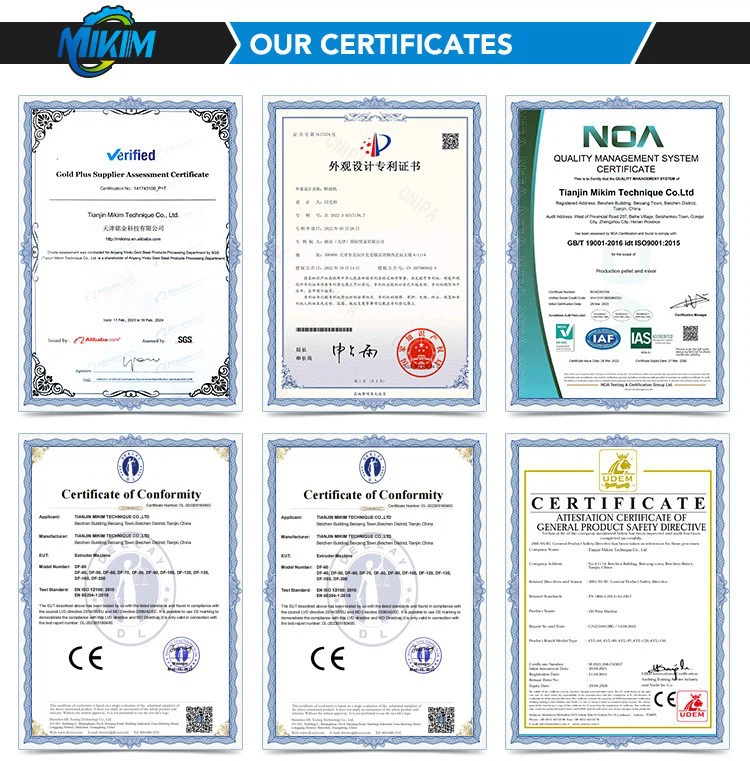
Mikim Machinery is a high-tech enterprise integrating scientific research, design, manufacture, installation and commissioning, and after-sales service. 13 years have been dedicated to the design and production of feed machinery industry, and passed many certifications such as CE, ISO, etc. At present, we are mainly engaged in two fields: wood pellet mill production line and rod making machine production line.We specialize in biomass fuel industry.
Why Choose Us
Rich Experience
The key electronic components, pneumatic and hydraulic systems of MIKIM machinery are all made of well-known brands. The company owns dozens of production patents, and its output products are world-renowned, making it a leader in the industry. With hundreds of employees, the company is strategically located at the junction of three provinces. MIKIM has won the recognition and trust of customers with its excellent performance, advanced technology and good reputation.
Professional Team
Before the sale we seriously answer customer questions, to provide customers with reliable programs and quality up to standard equipment, at the same time we support on-site inspection, in the sale we guarantee delivery, for you to choose a reliable mode of transportation, instantly update the logistics information, after the sale we provide technical support, to protect your subsequent use, we strive to exceed the customer's expectations with quality after-sales service.
High Quality
MIKIM's machines are widely used in various fields in China and exported to Southeast Asia, Europe, Africa, South America, Middle East countries and other regions. The quality of the products can stand the test of the market, and the parts are all adopted the world famous brand, MIKIM is your trustworthy machinery supplier.
Competitive Price
Our price is reasonable, the purpose is committed to let the global customers to use the quality of qualified machinery and equipment, at the same time, we also look forward to cooperating with the majority of customers, recruiting agents around the world, win-win cooperation.
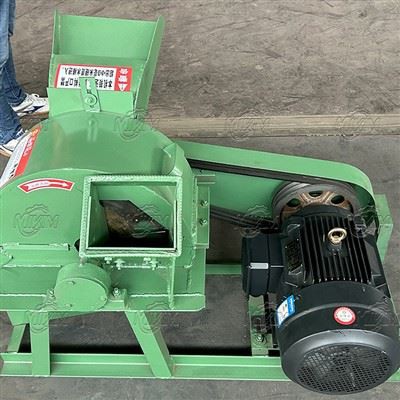
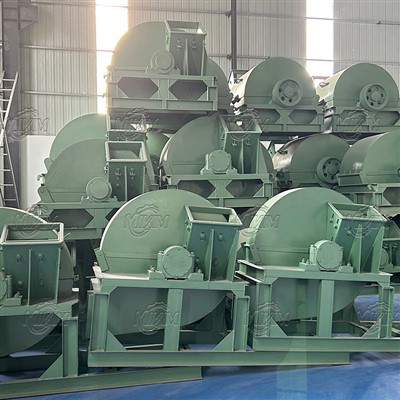
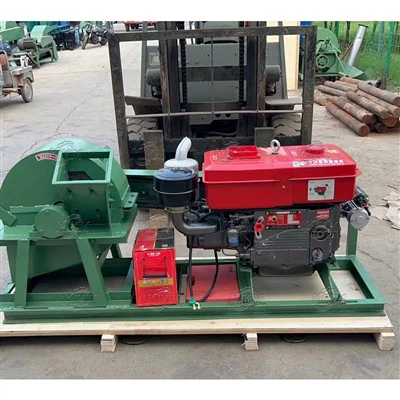
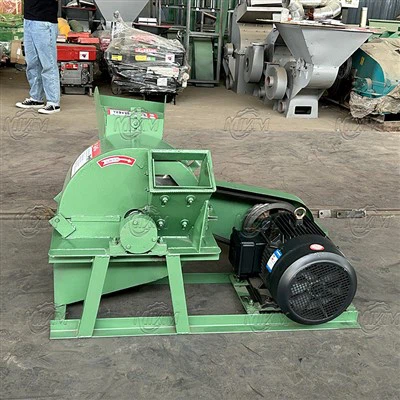


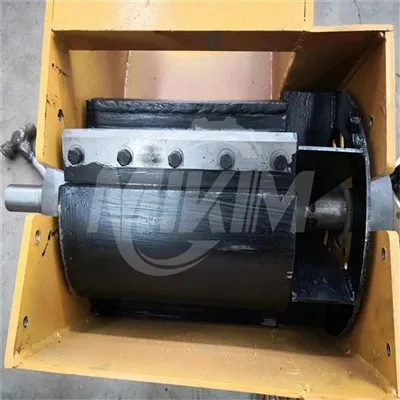


Wood chipper is a powerful outdoor tool designed to streamline the disposal of garden waste in various landscaping and gardening activities. This robust machine is a game-changer for professionals and enthusiasts alike, capable of efficiently reducing bulky branches, trimmings, and other organic debris into manageable wood chippings. Its primary function involves feeding wood through a chute, where internal blades break down the material into smaller, reusable chunks. The resulting wood chippings have multifaceted applications, contributing to sustainable practices by minimizing traditional waste disposal methods. Wood chippers come in various sizes and styles, offering flexibility to users based on their specific needs. Not only do these machines expedite the cleanup process, but they also play a crucial role in promoting environmental friendliness by transforming garden waste into valuable resources.
Waste Reduction
Wood chippers are essential tools in minimizing green waste by efficiently converting branches, leaves, and prunings into valuable wood chippings. This straightforward process results in a significant decrease in the volume of garden debris, reducing the amount that would otherwise end up in landfills or require alternative disposal methods. By addressing the challenge of green waste at its source, wood chippers contribute to a more sustainable and eco-friendly approach to outdoor waste management.
Mulching for Soil Health
The utilization of wood chippers yields valuable wood chippings that serve as an effective mulch for cultivating soil health. Mulching, a practice with multifaceted benefits, regulates soil temperature, preserves essential moisture, and inhibits the proliferation of weeds. Beyond these advantages, the application of wood chippings as mulch creates a conducive environment for beneficial microorganisms, contributing to the overall vitality of the ecosystem beneath our feet.
Composting Material
Utilized in compost piles, wood chippings made from wood chippers prove to be a valuable addition. When mixed with nitrogen-rich materials, they actively participate in generating compost abundant in nutrients. The subsequent application of this nutrient-rich compost to the soil not only boosts fertility but also sustains plant growth in an environmentally responsible manner.
Erosion Control
In regions prone to soil erosion, the strategic deployment of wood chippings proves to be a practical solution in establishing a protective barrier. Positioned with foresight, these chippings act as a resilient defense against the erosive forces generated by heavy rain and winds. Their capacity to absorb and disperse water plays a pivotal role in minimizing the immediate impact of erosion, providing a crucial window of opportunity for the implementation of more enduring measures to safeguard the soil.
Biochar Production
Harnessing the versatility of wood chips extends beyond traditional uses; they can also play a pivotal role in producing biochar, a specialized form of charcoal enriched through immersion in nutrient-rich compost tea. This innovative approach not only repurposes wood chips but also transforms them into a valuable resource with multifaceted benefits for soil health.
Go green in your garden! Discover the surprising environmental benefits of using a wood chipper, from waste reduction to resource creation. Dive into this informative review to learn how this handy tool can.
Energy Generation
Certain wood chippers are engineered with the specific purpose of generating wood chips tailored for biomass energy applications. This intentional design not only showcases the versatility of wood chippers but also positions them as contributors to sustainable energy practices, fostering a transition towards cleaner and renewable alternatives.
In embracing wood chips as a renewable energy source, there is a notable reduction in dependence on non-renewable alternatives. This shift towards biomass energy not only aligns with environmental sustainability goals but also plays a pivotal role in mitigating the carbon footprint associated with conventional energy production. By integrating wood chippers into the renewable energy landscape, there is an opportunity to foster a cleaner and more ecologically responsible energy mix, contributing to a greener and more sustainable future.
Drum Chipper
The first is the drum chipper. It is a chipper with a large horizontal drum with blades. These blades are found inside the drum and are set at regular intervals. This sort of wood chipper is good for handling larger loads and fibrous materials. The downside of this wood chipper is that it requires a lot of energy and the size of the chips is not equal.
Disk Chipper
The second type that we will talk about is the disk chipper. This chipper has a vertical disk with inset blades that cut wood at an angle of 45-degree. This type of wood chipper is fast and energy-efficient. In addition, it uniformly cuts chips! It is good for smaller branches but is not suitable for fibrous materials.
Screw Chipper
The third type is known as screw chipper. This sort of chipper has blades that are shaped like a large screw. The rotating mechanism of these blades helps pull the wood through the chipper. The plus point of this chipper is that it produces uniformed chips. In order to change the size of the chips, this chipper will require you to change its blades.


PTO Woodchippers
Woodchippers of this variety does not have an engine of their own. They are connected to driveshafts of the tractors, and it is from there, it gets the power to chip woods and plants.
This is a wide variety of woodchippers. They are powered by a gas engine(indirectly). The most significant disadvantage with this variety of woodchipper is that they will only work when they are attached to a tractor or any other vehicle of that sort.
Electric Powered Wood Chipper
Electric-powered chippers are often smaller models of woodchippers. They are compact and run off of your standard household outlet. You can operate electric start chippers in smaller spaces due to the lack of engine supply. While lacking the power that a gas engine produces, electric chippers require less maintenance and don't produce any exhaust fumes. Due to its smaller size, they will generally only chip branches up to 1” in diameter, so the type of material diameter you intend to break down is important to consider. It is also important to note that electric chippers require the use of a tamper to safely feed material through the hopper.
Gas Powered Wood Chipper
Gas-powered chippers use an internal gas engine to shred and chip wood. They offer horizontal chutes and gravity feed or hydraulic feed systems. Gas chippers are usually extremely portable by either manually pushing them or by using an easy tow-behind setup. Gas chippers are also available in varying models such as gas chippers only, gas chipper shredders, or even gas chipper shredder vacuums.
How To Use Wood Chipper
Once you've made up your mind that a wood chipper is the piece of equipment you would want to use in your yard, you want to know how to use it. Here are some steps to follow;
Step 1: Prepare the Working Area
Before you even start using the machine, you need to make sure the area you will be working from is clear from any sort of debris. You also want to make sure there are no holes in your working area. The holes may be a risk factor since you can end up falling during your work session.
Make sure the path is clear enough. Spot out an area where your machine will be expelling the chippings. Preparing and clearing the working area also helps avoid foreign objects from going through the wood chipper.
Step 2: Make Adjustments on the Chip Chute and the Chip Deflector
The chip chute and the deflector help you regulate the direction and distance the wood chips are thrown. You don't want the chips to be thrown too close to the machine or far away, creating a hazardous mess around. There are two clamp knobs on the deflector, which can easily be adjusted to regulate the distance.
Step 3: Set the Parking Brake
If you use other equipment, such as a tractor to haul your wood chipper, be sure to set the parking brake so that the tractor does not move. This should be set before powering on the machine.
Step 4: Power on the Machine
If you are using gas-powered wood chippers, be sure to first check whether there is enough gas and that the engine has oil. If you are using fuel, then make sure there is enough fuel as well. Also, make sure that the shredding chamber and the turbine are empty. If you notice these places are not empty, be informed that your starter mechanism is at risk of overloading.
You want to ensure also that the feeding tool, a stick to be precise, is not inside the hopper. Take a look at the safety grid, confirm that it is closed. You further need to confirm that the safety switch of the chipper is engaged. If it is not engaged, then the chipper will probably not start.
Step 4: Always Feed the Blunt End First
The wood chipper can process the blunt end efficiently, so always feed the thickest side first. By doing so, the wood chipper can grab the wood completely. But be keen not to feed the wood chipper larger loads than the recommended one. If you ignore this, the chipper may back up and spill the materials back to you causing blunt force trauma or the flurry of dangerous chips which will scratch you in the process.
Step 5: Feed Mixture of Dry And Green Limbs
As you feed debris into your wood chipper, keep in mind that feeding in the green limbs with the dead ones is essential as the moisture in the green limbs helps to lubricate the chipper's knives. This will, in turn, ensure a smooth process. Always use a long stick to push in any material that is resisting to go through.
Step 6: Keep A Safe Distance Away From The Hopper
Instead of standing in front of the hopper, you could choose to stand aside. You need to avoid obtaining severe injuries when the debris escapes forward and finds you off-guard.
Step 7: Put the Gathered Wood Chips Into Use
Now, after producing wood chips, you need to put them into use. All that effort should not go to waste. The best way to recycle the wood chips is through mulching.
Components of Chipper Works
A wood chipper, also known as a wood shredder or mulcher, is a machine specifically built to reduce large pieces of wood or organic material into smaller, uniform wood chips. These chips are easier to transport, recycle, or use as mulch, and they serve a variety of purposes, from landscaping to biomass production. To comprehend how a wood chipper functions, let’s break down the process into its core components.
The Main Components
Feed Hopper
The process begins with the feed hopper, which is the entry point for the wood or organic material. This is where you load branches, twigs, and other debris that you want to chip. The feed hopper directs the material toward the chipping mechanism.
Chipping Mechanism
The heart of the wood-chipper is its chipping mechanism, typically consisting of a high-speed rotor with sharp blades or knives. The rotor’s blades are designed to cut and shred the wood as it passes through. There are two primary types of chipping mechanisms:
– Disk Chippers: These have a large, rotating disk with blades attached to it. As the wood enters the disk, the blades cut it into chips. Disk chippers are known for their efficiency and are commonly used in commercial and industrial settings.
– Drum Chippers: These have a drum-shaped rotor with blades inside. As the wood enters the drum, the blades chip it into smaller pieces. Drum chippers are often used in smaller, portable wood chippers designed for homeowners.
Chute and Discharge
After being chipped by the rotor, the wood chips are directed through a chute and expelled from the machine. The size of the chips can often be adjusted by changing the settings on the machine. Some wood chippers have a discharge spout that can be aimed in a specific direction, making it easier to collect the chips in a bag or trailer.
How To Maintain Wood Chippers
Keep Your Machine Clean
Often overlooked, but essential for making it easy to check over your machine before use. Keeping your machine clean can also prevent debris entering the fuel tank when refuelling. Debris entering the fuel tank can lead to blockages within the fuel filter and result in poor running of your wood chipper.
Keep Your Blades Sharp
Not only will you reap the benefits of better productivity, you will prolong the life of your machine. Blunt blades lead to bigger impact forces which places stress on your machine.
After removing your blades make sure you thoroughly scrape the surface of the rotor (and the back of the blades if you are reversing them).
Whilst changing your blades, check your wear indicators to ensure they are still safe to use and check the condition of the securing nuts for the blade bolts.
Keep Your Brakes Adjusted
Many wood chippers have an over-run braking system which will need adjusting from time to time. A guide as to whether your brakes need attention is if your handbrake has a lot of travel. The other sign that adjustment is needed is when the wood chipper thumps into you as you brake. The brakes not only help keep the wood chipper in place when unhitched, but they also assist you in stopping while you’re on the road.
Use Genuine Parts
The manufacturer of your wood chipper has taken time to test the durability and performance of each component. Yes, you can probably cut corners here and there, but if you have a failure later and that is somehow linked to a non-genuine part you may have difficulty with a warranty claim.
Check Your Chips
Have you looked at the anvil? It is more durable than the blades but will still wear over time. When it does you can experience issues feeding material in to your wood chipper and a deterioration of your chip quality.
Use The Lock On Your Tow Hitch
This is an obvious one but worth remembering. You’ve worked hard to get your equipment; you wouldn’t leave your truck unlocked, so make sure you’ve used the hitch lock to stop opportunists from helping themselves.
Grease Those Bearings
In dirty and dusty conditions or during periods of hard work, greasing should be done more regularly than stated in your manual. Early indicators of insufficient grease include squeaking or knocking rollers. If the bearings and splines are allowed to run dry this can result in premature wear and lead to a breakdown and the need for replacement parts.
Clean Your Air Filter Regularly
Your wood chipper works in a dusty environment so keep a check on your air filter. A daily air filter check will prolong its life and improve your fuel economy.
Our Factory
Mikim Machinery is a high-tech enterprise integrating scientific research, design, manufacture, installation and commissioning, and after-sales service. 13 years have been dedicated to the design and production of feed machinery industry, and passed many certifications such as CE, ISO, etc.
Certificate
FAQ
We're professional wood chippers manufacturers and suppliers in China, specialized in providing high quality customized service. Please rest assured to buy high-grade wood chippers for sale here from our factory.
Large Wood Chipper, beston charcoal making machine, Automatic wood chipper