

Wood Pellet Machine
Mikim Machinery is a high-tech enterprise integrating scientific research, design, manufacture, installation and commissioning, and after-sales service. 13 years have been dedicated to the design and production of feed machinery industry, and passed many certifications such as CE, ISO, etc. At present, we are mainly engaged in two fields: wood pellet mill production line and rod making machine production line.We specialize in biomass fuel industry.
Why Choose Us
Rich Experience
The key electronic components, pneumatic and hydraulic systems of MIKIM machinery are all made of well-known brands. The company owns dozens of production patents, and its output products are world-renowned, making it a leader in the industry. With hundreds of employees, the company is strategically located at the junction of three provinces. MIKIM has won the recognition and trust of customers with its excellent performance, advanced technology and good reputation.
Professional Team
Before the sale we seriously answer customer questions, to provide customers with reliable programs and quality up to standard equipment, at the same time we support on-site inspection, in the sale we guarantee delivery, for you to choose a reliable mode of transportation, instantly update the logistics information, after the sale we provide technical support, to protect your subsequent use, we strive to exceed the customer's expectations with quality after-sales service.
High Quality
MIKIM's machines are widely used in various fields in China and exported to Southeast Asia, Europe, Africa, South America, Middle East countries and other regions. The quality of the products can stand the test of the market, and the parts are all adopted the world famous brand, MIKIM is your trustworthy machinery supplier.
Competitive Price
Our price is reasonable, the purpose is committed to let the global customers to use the quality of qualified machinery and equipment, at the same time, we also look forward to cooperating with the majority of customers, recruiting agents around the world, win-win cooperation.
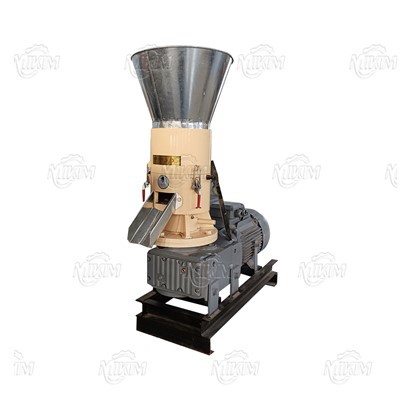
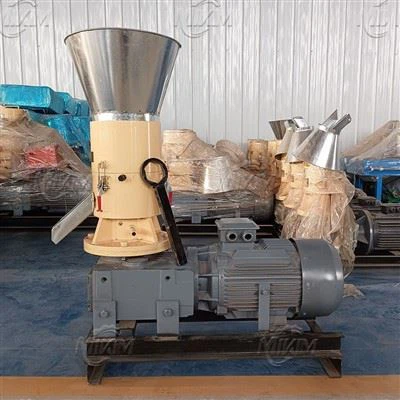
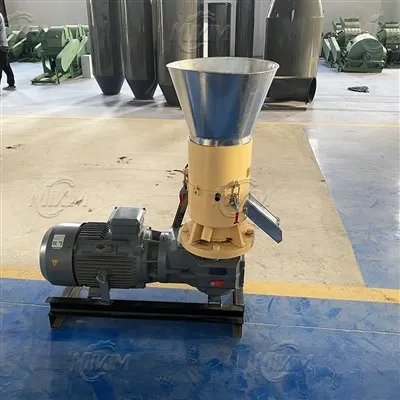


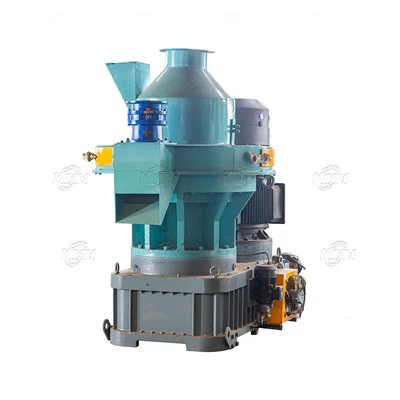
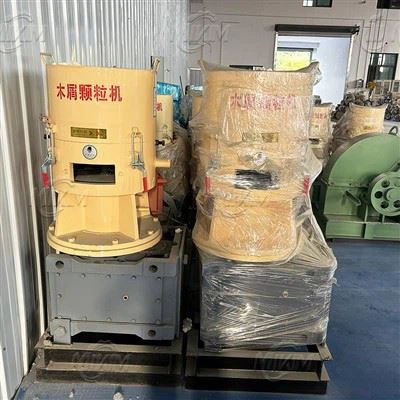


Wood Pellet Machine is an engineering device specifically designed to manufacture wood pellets, which are small, cylindrical biomass fuel briquettes made from sawdust, wood chips, agricultural residues, or any other form of organic material that is rich in cellulose and lignin. The process of creating wood pellets involves compressing the raw materials under high pressure through a die, which is the part of the machine that shapes the pellets.
Wood Pellet Machine operates on the principle of mechanical compaction, where the raw material is first dried to a suitable moisture content (usually around 10-15%) to ensure optimal binding and prevent the pellets from breaking during production or transport. Once dried, the material is fed into the hopper of the pellet machine, where it moves onto a rotating screw conveyor or auger.
Advantages of Wood Pellet Machine
Environmentally Friendly
Wood pellets produce significantly less greenhouse gas emissions compared to fossil fuels when burned. Additionally, the use of wood pellet machines supports sustainable forestry by utilizing waste wood products that would otherwise rot or be burned in an uncontrolled manner.
Economical
Wood pellets are a cost-effective alternative to traditional fuels. The raw materials for making pellets are often byproducts of timber and agricultural industries, which means they are abundant and relatively inexpensive.
Portability and Storage
Pellets are small and lightweight, making them easy to handle, transport, and store. They occupy less space compared to traditional biomass fuels, reducing logistical costs.
Versatility
Wood pellets can be used in a variety of combustion appliances, including stoves, boilers, and even some power stations. Their standardized size ensures compatibility with a wide range of equipment.
Reduced Waste
By converting waste wood into pellets, wood pellet machines help reduce landfill waste and contribute to a circular economy.
Automation
Modern wood pellet machines often come with advanced control systems that allow for automated operation, improving efficiency and reducing manual labor.

Types of Wood Pellet Machine
There are several types of wood pellet machines, each suited for different scales of production and specific requirements. Here's an overview of the most common types:
Flat Die Pellet Machine
This is the most basic type, characterized by a flat surface with holes through which the pellets are pressed. It's suitable for home use or small-scale production due to its simplicity, lower cost, and ease of maintenance. However, it may not be as durable for continuous heavy use.
Ring Die Pellet Machine
This type features a cylindrical die with a series of blades attached. As the biomass is pressed through the die, the blades cut off the pellets. Ring die machines are more robust and can handle larger volumes of material, making them ideal for commercial and industrial applications. They generally produce a higher quality of pellets due to their ability to maintain consistent density and size.
Hydraulic Pellet Machine
These machines utilize hydraulic pressure rather than mechanical force to compress the biomass into pellets. Hydraulic systems can provide greater pressure, allowing for the production of harder and more durable pellets. They are particularly useful for processing harder woods or when higher quality pellets are required.
Thermal Pellet Machine
Some pellet machines incorporate thermal technology, which preheats the biomass before compression. This helps to reduce the moisture content and activate the natural binding properties of the lignin, resulting in denser and more energy-efficient pellets.
Cooler Pellet Mill Combo
These machines combine a pellet mill with an integrated cooler. After the pellets are produced, they are cooled within the machine to reduce their temperature and improve storage quality. This setup is beneficial for continuous production lines where cooling the pellets immediately is important to maintain their integrity.
Mobile Pellet Plant
These are portable units that include all the necessary machinery for producing pellets on-site. They are often used for processing biomass in remote areas or where there is a need for flexibility in production locations.
Biomass Pelletizer
This type of machine is designed for a wide range of biomass materials beyond just wood, such as grasses, agricultural residues, or food waste. They may have specialized features to accommodate varying types of raw materials.

Material of Wood Pellet Machine
Wood pellet machines are critical components in the production of wood pellets, a renewable energy source widely used for heating and power generation. The materials used in the construction of these machines are chosen for their durability, heat resistance, wear resistance, and ability to withstand the forces involved in compressing raw biomass into consistent, dense pellets.
Frame and Body Materials
The frame and body of wood pellet machines are typically constructed from robust materials like steel or iron. Stainless steel is often preferred due to its corrosion resistance properties, ensuring longevity even in the presence of wood dust and humidity. In some cases, carbon steel may be used if the machine is adequately protected and maintained to prevent rust.
Cutting and Die Materials
The dies (mold cavities) and cutting knives (hammers) are subject to high wear and tear due to the abrasive nature of the raw material and the mechanical stress of the pelletizing process. Hardened steel is commonly used for these parts because it offers a balance between hardness and toughness. High-chromium cast iron is another material frequently used for cutting knives due to its exceptional abrasion resistance.
Gears and Drive Components
The gears and other drive components within the pellet mill are usually made from case-hardened steel to withstand the torque and friction generated during operation. These materials provide the necessary strength and longevity to maintain precision in the pelletizing process.
Wear Plates and Liners
To extend the life of the main body of the pellet machine, wear plates or liners are installed in areas most prone to wear. These are typically made from high-chrome or high-carbon steel alloys that are specifically engineered to resist abrasion and wear.
Electrical Components
While not strictly a material, the electrical components of wood pellet machines must be designed to withstand the dusty and potentially moist environment of a pellet production facility. They are usually housed in rugged enclosures and made with materials that offer protection against ingress of dust and water.
Application of Wood Pellet Machine
Wood pellet machines are integral to the transformation of organic waste materials into a convenient and sustainable fuel source known as wood pellets. These machines serve a wide array of applications across various industries and sectors due to the versatility and efficiency they bring to the production process.
Residential Heating
One of the primary applications of wood pellet machines is in the production of residential heating fuel. The compacted wood pellets are easy to store and deliver a consistent heat when burned in pellet stoves or boilers. This application promotes the use of renewable energy sources in homes, reducing reliance on fossil fuels and lowering carbon emissions.
Commercial and Industrial Energy Production
Larger-scale wood pellet machines enable the production of pellets for commercial and industrial energy systems, including power plants that utilize biomass as a renewable energy resource. These facilities can generate electricity on a larger scale while contributing to environmental sustainability goals.
Animal Bedding
Wood pellets are also used as animal bedding due to their low moisture absorption and ease of cleanup. The machines can be adapted to produce pellets with specific qualities suited for agricultural uses, providing a cost-effective bedding solution for livestock farms.
Waste Management and Recycling
By transforming wood waste, such as sawdust, wood chips, and pallets, into pellets, wood pellet machines contribute to waste management and recycling efforts. This application helps divert organic waste from landfills and turns it into a valuable product, thus supporting the circular economy.
Aquaculture Feed
In the aquaculture industry, wood pellet machines can be used to produce fish feed in the form of pellets. The uniform shape and size provided by the machines ensure proper nutrition and digestion for aquatic species.
Biomass Briquetting
Beyond traditional wood waste, these machines can also compress other forms of biomass, such as agricultural residues or organic waste, into denser forms for energy production. This application broadens the scope of renewable energy sources and supports the development of local bioenergy economies.

Process of Wood Pellet Machine
The process of a wood pellet machine involves several steps that transform raw biomass into uniform, high-density pellets. Here's an overview of the key stages in the pelletization process:
Raw Material Preparation
The initial step involves collecting and preparing the raw material, which can include wood chips, sawdust, bark, planer shavings, or other lignocellulosic materials. The moisture content of the raw material must be adjusted to the ideal range (typically between 10% and 15%) to ensure optimal pellet production. If necessary, the material may be dried before being fed into the pellet machine.
Feeding
The prepared biomass is fed into the hopper of the wood pellet machine. A conveyor belt or screw feeder ensures a continuous and controlled flow of material into the machine's grinding chamber.
Grinding and Crushing
Inside the grinding chamber, a rotating hammer mill reduces the size of the biomass to a finer texture. This increases the surface area, facilitating better binding and compression in the subsequent steps.
Conditioning
As the material moves through the conditioning section, it is mixed with steam or a small amount of water if required. This addition of moisture helps to activate the natural lignin present in the wood, which acts as a binding agent. Proper conditioning is crucial for achieving the right balance of stickiness without making the material too wet or too dry.
Pelletization
Conditioned biomass enters the die section of the pellet mill. Here, it is compressed by a rotating roller that exerts tremendous force through a metal die with holes of the desired pellet size. The pressure causes the biomass to extrude through the holes in the die, forming pellets. The heat generated during this process can further activate lignin and improve the integrity of the pellets.
Cooling
Freshly formed hot pellets exit the die and are immediately cooled to reduce their temperature and improve storage quality. Cooling also stops the pelletizing process and ensures that the pellets do not stick together. Cooling can be achieved using a pellet cooler, which may employ air flow or a perforated belt.
Screening and Sizing
After cooling, the pellets pass through a screen to remove any fines (small particles) and to ensure that all pellets meet the desired size specifications. Pellets that are not up to standard are returned to the conditioning step for further processing.
Packaging
The final step is packaging the pellets into bags or bulk containers for transportation and sale. Proper packaging is important to protect the pellets from moisture and other environmental factors that could degrade their quality.

Components of Wood Pellet Machine
A wood pellet machine comprises several key components that work together to efficiently transform raw biomass into pellets. Each part plays a specific role in the pelletization process, ensuring that the final product meets the desired quality standards. Here's an in-depth look at the major components:
Hopper
The hopper is a container designed to hold and feed the raw biomass into the machine steadily. It often has a gate or an adjustable opening to control the rate at which material enters the machine, preventing blockages and ensuring a consistent supply.
Feeding Mechanism
This mechanism, typically a screw conveyor or auger, is responsible for transporting the raw material from the hopper into the grinding chamber. It must be robust enough to handle the abrasiveness of the biomass and move it forward at a controlled pace.
Hammer Mill
Also known as a grinding chamber, the hammer mill contains a series of hammers attached to a rotating shaft. As the biomass enters the chamber, the hammers crush and grind it into smaller particles. The screen above the hammer mill determines the particle size of the biomass before it proceeds to the next stage.
Conditioning Chamber
This chamber is where the ground biomass undergoes conditioning. It might include a mixing device to evenly distribute steam or water throughout the material to achieve the optimal moisture content for pelletization. Lignin activation takes place here, which is crucial for binding the biomass particles together.
Die
The die is a steel disc with hundreds of holes of a precise diameter. The conditioned biomass is pressed through these holes under high pressure, forming pellets. Dies are designed to withstand extreme forces and have a replaceable design to facilitate maintenance and longevity.
Pressure Roller
Sometimes referred to as the "pinch roll," this component is located directly behind the die. It works in conjunction with the die to exert the necessary pressure to extrude the pellets. The roller must be precisely aligned with the die to ensure uniform pellet formation.
Cooling System
Freshly made pellets are hot due to the friction and heat generated during pelletization. A cooling system, often a vibratory cooler or a perforated belt cooler, quickly reduces the temperature of the pellets to prevent sticking and preserve quality for storage and handling.
Screen
Located at the outlet of the cooling system, a screen separates the finished pellets from any remaining fines or dust. The mesh size of the screen determines the maximum pellet size that can pass through, allowing only fully formed pellets to proceed to the packaging stage.
How to maintain Wood Pellet Machine
Maintaining a wood pellet machine is crucial for ensuring its longevity, efficiency, and safety during operation. The following guidelines will help you keep your pellet machine in good working condition:
Regular Inspection
Check for any signs of wear and tear on moving parts such as the roller, dies, and hammers in the hammer mill.
Look for cracks, deformations, or damage to the machine's frame and casings.
Verify that all electrical connections are secure and free of corrosion.
Lubrication
Apply lubricant to all moving parts according to the manufacturer’s recommendations. This includes bearings, gears, and other mechanical components.
Use high-quality lubricants that can withstand the high temperatures and pressures within the machine.
Cleaning
After each use, clean out any residual biomass or dust to prevent buildup and potential fires.
Vacuum or sweep the area around the machine to remove loose debris.
Wipe down the exterior with a damp cloth to remove dirt and prevent corrosion.
Filter Replacement
Replace air filters regularly to maintain proper airflow and prevent overheating.
Change any dust collection filters to minimize environmental impact and ensure a safe working environment.
Grease and Seals
Check and replace grease fittings as needed to maintain proper lubrication.
Inspect all seals and gaskets for leaks or deterioration and replace them promptly to avoid contamination and loss of efficiency.
Moisture Control
Monitor the moisture content of the raw material to prevent over-wetting or drying out, which can cause blockages or poor pellet quality.
Ensure that the cooling system is functioning correctly to avoid condensation that could lead to rust or corrosion.
Our factory
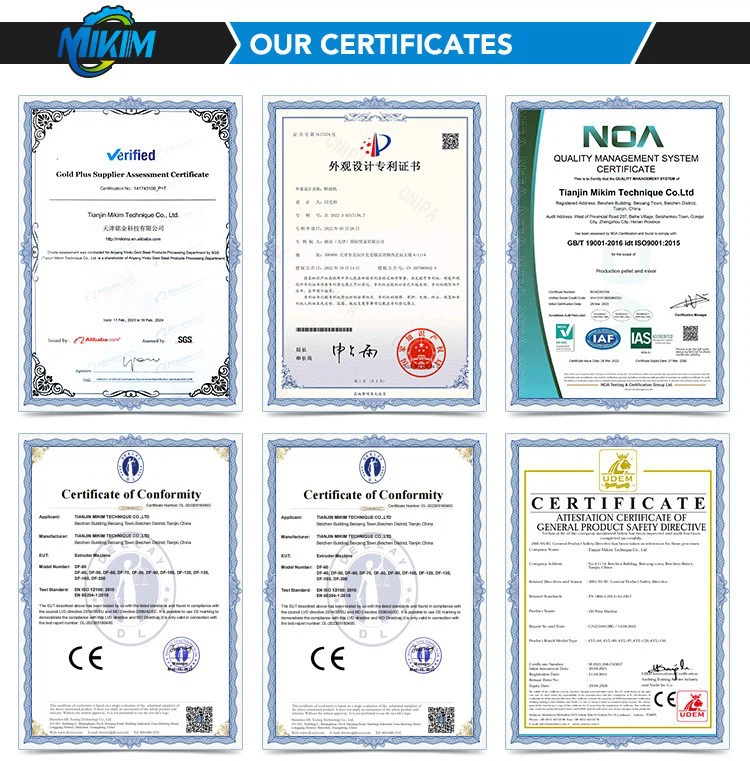
Mikim Machinery is a high-tech enterprise integrating scientific research, design, manufacture, installation and commissioning, and after-sales service. 13 years have been dedicated to the design and production of feed machinery industry, and passed many certifications such as CE, ISO, etc.

Certificate
FAQ
Q: What is a wood pellet machine?
Q: What are the advantages of using wood pellets?
Q: What are the different types of wood pellet machines?
Q: How does a wood pellet machine work?
Q: What is the difference between a pellet mill and a pelletizer?
Q: What raw materials can be used to make wood pellets?
Q: How do I ensure consistent quality in wood pellet production?
Q: How do I maintain a wood pellet machine?
Q: What safety precautions should I take when operating a wood pellet machine?
Q: What are the benefits of automatic wood pellet machines?
Q: How do I troubleshoot common problems with wood pellet machines?
Q: Can wood pellet machines be used to produce animal feed?
Q: What are the environmental regulations regarding wood pellet production?
Q: How do I dispose of wood pellet waste?
Q: What are the energy requirements for running a wood pellet machine?
Q: How do I calculate the ROI (return on investment) of a wood pellet machine?
Q: How do I know if a wood pellet machine is energy efficient?
Q: How do I select the right wood pellet machine for my business?
Q: Can wood pellet machines be customized?
Q: What is the typical lifespan of a wood pellet machine?
We're professional wood pellet machine manufacturers and suppliers in China, specialized in providing high quality customized service. Please rest assured to buy high-grade wood pellet machine for sale here from our factory.
pellets mill, pelletizer for biomass pellet moisture control, biomass pellet factory equipment