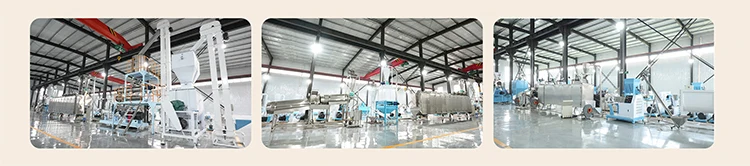
How to Build a ring model biomass granulator production line: The 2026 Complete Plant Setup Guide
Executive Summary: Core Engineering Insights
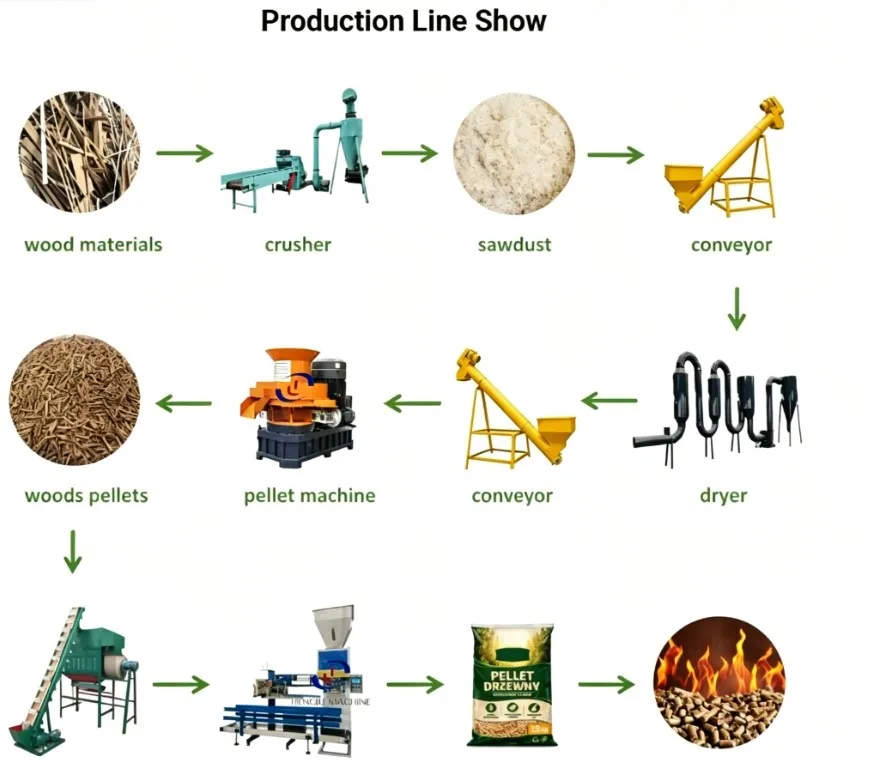
- System Integration: A professional biomass plant involves 7 synchronized stages: Chipping, Grinding, Drying, Pelletizing, Cooling, Screening, and Packaging.
- The MIKIM Standard: Utilizing Siemens/ABB motors and SKF bearings to ensure 24/7 industrial stability.
- Efficiency Goal: Engineered to reduce energy consumption to < 85 kWh per ton, significantly lowering operational costs.
- Investment Recovery: Targeted ROI within 10–14 months through high-automation turnkey solutions.
1. The 6-Stage Wood Pellet Production Process
Building a successful wood stove pellet maker production line requires more than just a pellet mill; it requires a perfectly balanced workflow to meet ENplus/PFI standards.
- Chipping Stage: Using a High-Speed Home Use Sawdust Wood Mill Machine to reduce chips to particles < 6mm.
- Drying Stage: Reducing moisture from 45%+ to the 12%–15% "Golden Range" via a Rotary Drum Dryer.
- Pelletizing Stage: The heart of the plant. A ring die biomass fuel Pellet making Machine uses high pressure and heat (80°C–100°C) to activate natural lignin.
- Cooling Stage: Pellets are hardened in a Counterflow Cooler to ensure a Pellet Durability Index (PDI) > 98%.
- Screening Stage: Removing fines (dust) to ensure a clean final product.
- Packaging Stage: Automated bagging for retail (15kg–25kg) or bulk storage.
2. Essential Equipment Checklist for a Turnkey Plant
For a reliable production line layout, MIKIM integrates premium industrial components:
- Drum Wood Chipper: Heavy-duty processing for raw timber.
- MIKIM Ring die rice straw pellet making machine: Features VFD (Variable Frequency Drive) and automatic lubrication systems.
- Triple-Pass Rotary Dryer: Maximizes thermal efficiency for high-moisture materials.
- PLC Control System: The "central brain" that monitors motor amperage, TPH (Tons Per Hour), and temperature in real-time.
3. Economic Analysis: Why MIKIM is the Gold Standard for ROI
When setting up a plant, the Total Cost of Ownership is more important than the initial price tag.
MIKIM Professional Line vs. Standard Alternatives
| Feature | MIKIM Biomass Pellet line | Standard Low-Cost Line | Business Impact |
| Energy Consumption | 75 - 85 kWh / Ton | 100 - 120 kWh / Ton | ~20% lower monthly electric bills |
| Die Lifespan | 1,500 - 2,000 Hours | 600 - 800 Hours | 50% less maintenance downtime |
| Automation | 95% (PLC Full Auto) | 40% (Manual) | Requires 2 fewer workers per shift |
| Pellet Quality | Premium (PDI > 98.5%) | Industrial (PDI < 94%) | 15% higher market selling price |
| Motor Brand | Siemens / ABB | Generic | Zero burnouts in 3+ years |
4. Profitability & ROI Calculation (1 Ton/Hour Example)
Is a wood pellet factory a good investment? Let's look at the numbers:
- Raw Material Cost: $40 - $60 / Ton (Sawdust/Forestry Waste).
- Operating Cost (OPEX): $25 - $35 / Ton (Labor, Power, Wear Parts).
- Total Production Cost: ~$75 - $95 / Ton.
- Market Price: $180 - $280 / Ton (Region-dependent).
- Net Profit: $105 - $185 per Ton.
- Estimated Payback Period: 10 to 14 Months for a complete MIKIM turnkey system.
FAQ:
1. How much space do I need for a ring model biomass granulator production line?
A professional 2 Ton/hour (TPH) pellet plant requires approximately 1,200 square meters. The facility must have a minimum ceiling height of 8 meters to accommodate cyclones, cooling towers, and vertical transport elevators.
2. How much does it cost to set up a wood pellet plant?
The cost varies based on capacity and automation. A small-scale commercial line starts around
50,000,while a fully automated ,multi−ton industrial turnkey plant can range from 50,000- 150,000 to $500,000+. MIKIM provides customized quotes based on your specific material and TPH requirements.
3. What is the ROI for a wood pellet factory?
Most MIKIM customers achieve a full Return on Investment (ROI) within 10 to 14 months. Profitability is driven by low energy consumption (<85 kWh/ton) and the ability to sell premium-grade pellets at higher market prices.
4. Can a pellet machine handle hardwood like Eucalyptus?
Yes. MIKIM specializes in hardwood pelletizing solutions. We use high-compression alloy steel ring dies and specialized drying stages specifically engineered for the dense fibers of Eucalyptus, Oak, and other hardwoods common in Southeast Asia and Australia.
5. What are the electricity requirements for a ring die sawdust pellet production line?
Industrial plants require 3-phase power. MIKIM configures systems for all global standards, including 415V/50Hz (UK/Australia), 480V/60Hz (USA/Canada), and 380V/50Hz (Asia/EU). Our PLC systems ensure the load is balanced to prevent surges.
6. How long does it take to install a complete Ring die Wood Chip Pellet maker production line?
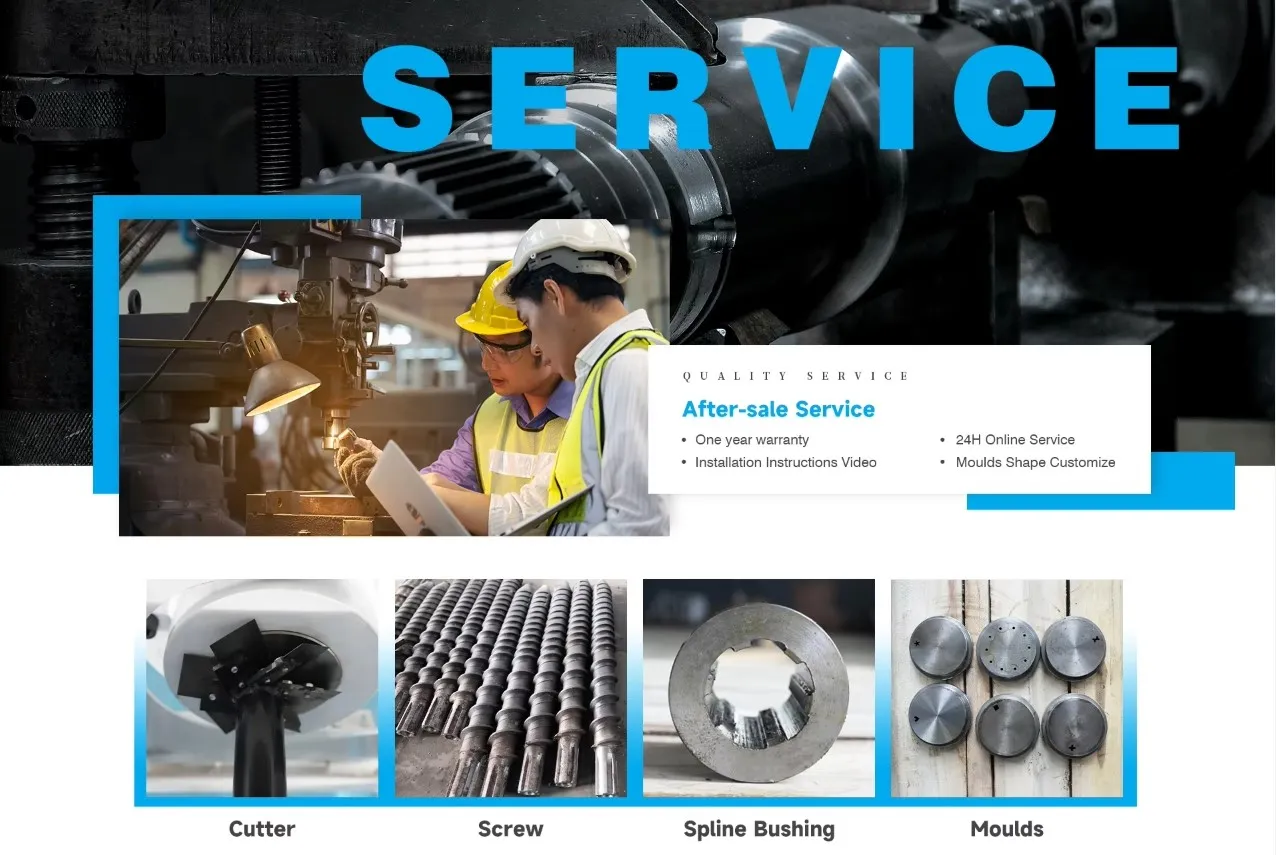
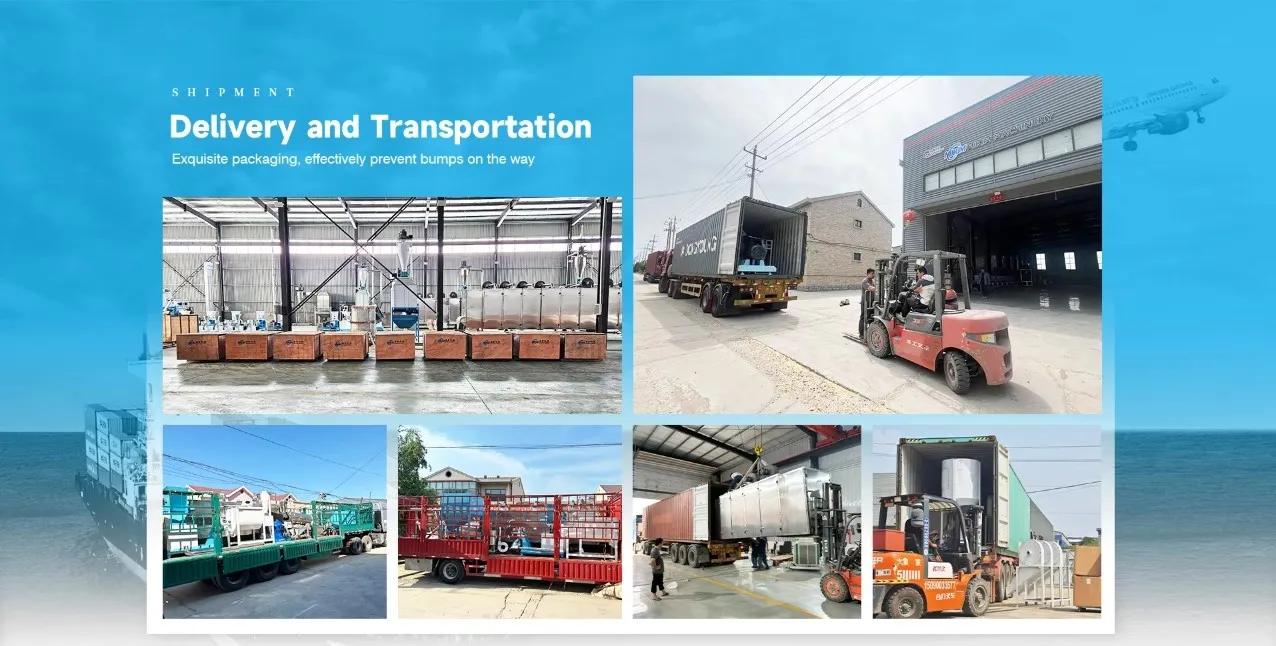
The typical lead time for manufacturing a 1–5 TPH line is 30–45 days. Once shipped, MIKIM engineers provide on-site installation and staff training, which usually takes 15–20 days to reach full production capacity.
Start Your Biomass Project with MIKIM
Ready to build a high-efficiency wood pellet production line?
[Request a Customized Factory Layout & Quote] - Our engineering team is ready to design your path to energy profitability.
For more details, please contact us 👉 Contact us for more details
Company Profile
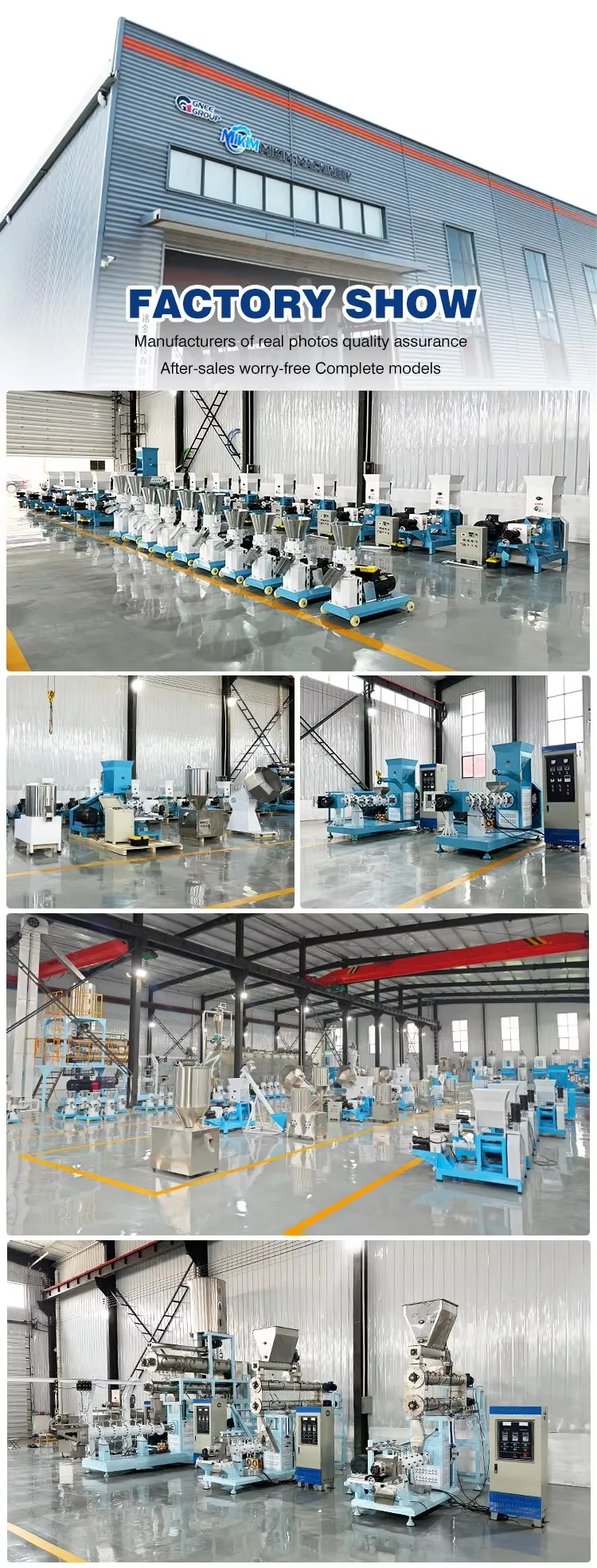
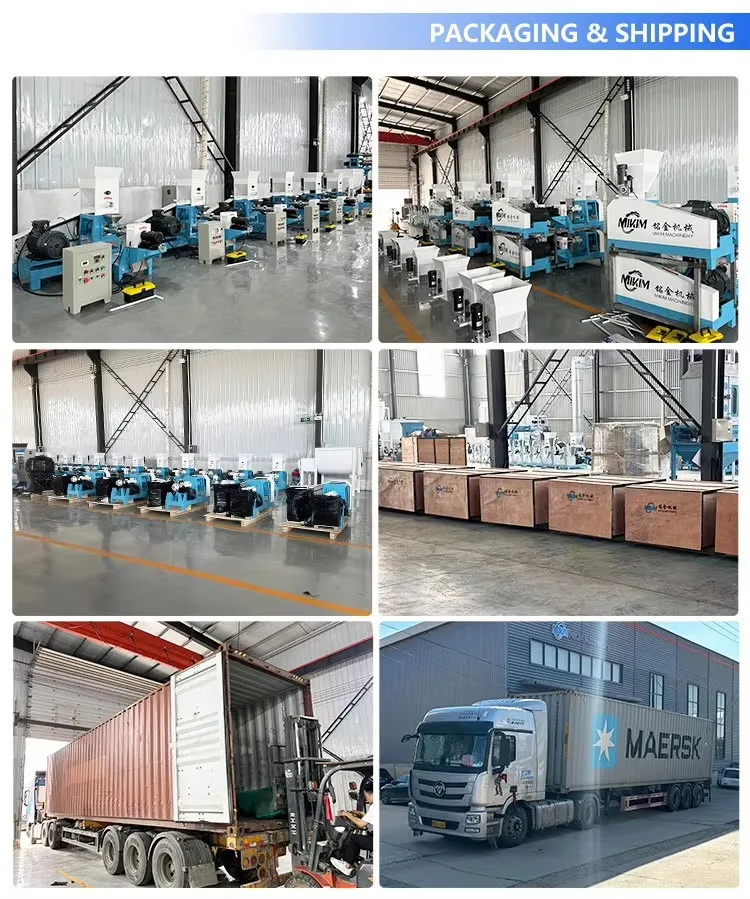
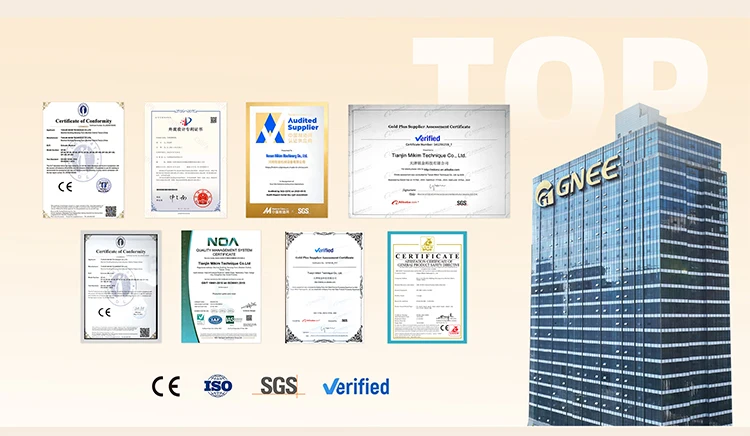
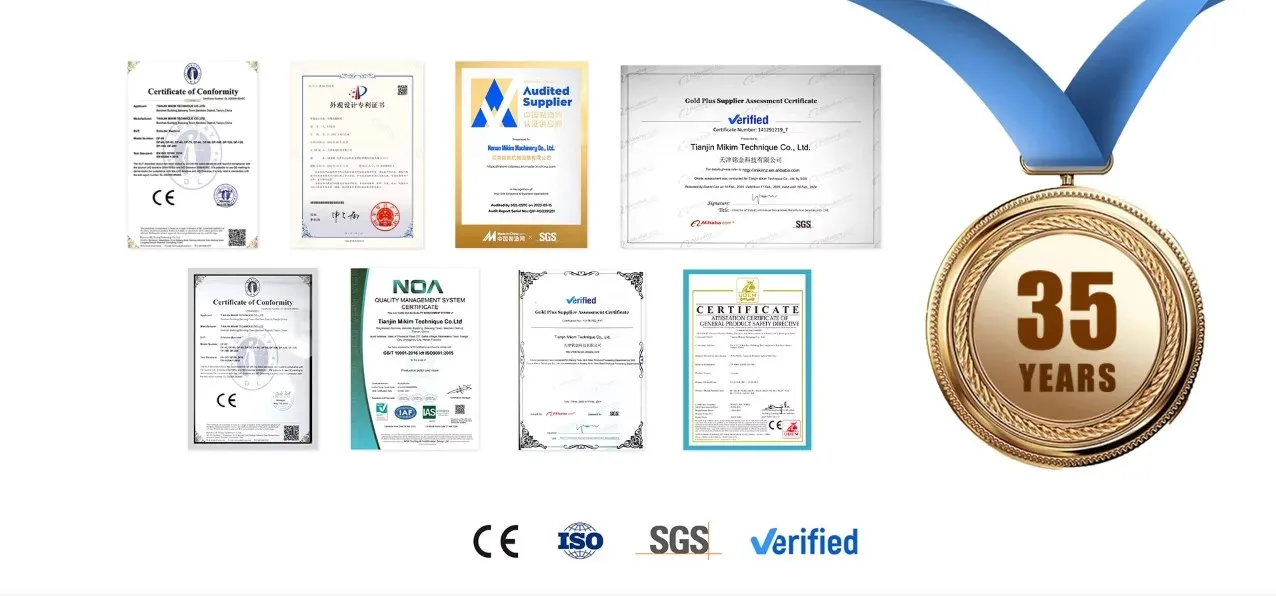
Tianjin Mikim Technique Co.,Ltd.