How to Fix Sawdust Pellet Making Machine Discharge Problems: 7 Fast Fixes & Troubleshooting Guide

Is your Small Home Use Pine Sawdust Pellet Machine failing to discharge pellets? Most production stalls are caused by five core factors: incorrect moisture (10%-15%), die blockages, improper roller gaps, oversized raw materials, or worn components.
In this guide, you will learn how to diagnose and fix pellet discharge issues in under 60 minutes to restore your biomass production efficiency.
Quick Summary: Why Your wood stove pellet maker machine Is Not Producing Pellets?
If you need an immediate solution, check these three things first:
- Moisture: Ensure sawdust moisture is between 10% and 15%.
- Blockage: Check if the pellet die holes are clogged with hardened material.
- Gap: Verify the roller-to-die clearance is 0.1mm – 0.3mm.
7 Common wooddust pellet making machine Discharge Problems and Solutions
1. Raw Material Moisture Content is Unstable
Moisture is the "binder" in pellet production.
- The Problem: If moisture is above 15%, the material slips and won't compress. If below 10%, the friction is too high, leading to die blockages or powder output.
- The Fast Fix: Use a digital moisture meter. If too wet, run the material through a rotary dryer. If too dry, mist the material with water and mix thoroughly before feeding.
2. Blocked Pellet Die Holes
This is the leading cause of a complete production halt, especially in new or long-dormant machines.
- The Problem: Fine powder carbonizes and hardens inside the die.
- The Fast Fix: Feed a mixture of sawdust, waste engine oil, and fine sand into the machine. This "oily mix" scours the holes. For severe clogs, you may need to manually drill out the holes or use compressed air.
3. Incorrect Roller and Die Gap
The pressure required for extrusion depends entirely on the distance between the roller and the die.
- The Problem: A gap that is too wide (over 0.5mm) results in "roller slipping," where material builds up but never exits.
- The Fast Fix: Adjust the gap to 0.1mm – 0.3mm (roughly the thickness of a business card). Ensure the rollers rotate evenly and have equal pressure.
4. Feeding Speed is Too Aggressive
- The Problem: Overfeeding creates excessive pressure in the pelletizing chamber, leading to motor overload and frequent jams.
- The Fast Fix: Use a Variable Frequency Drive (VFD) on your feeder to maintain a consistent, steady flow. Never "dump" large quantities of material into the hopper at once.
5. Raw Material Particle Size is Too Large
- The Problem: Wood chips or shavings larger than 5mm cannot enter the die holes effectively, causing them to swirl in the chamber and generate heat without producing pellets.
- The Fast Fix: Ensure all raw materials pass through a hammer mill and are sized between 3mm and 5mm before pelletizing.
6. Mismatched Die Compression Ratio
- The Problem: Every material has a different lignin content. Hardwood requires a lower compression ratio, while softwood/straw requires a higher one.
- The Fast Fix: If your wood fuel pellet making machine produces only powder or breaks frequently, consult your manufacturer to ensure your die compression ratio matches your specific raw material.
7. Wear and Tear on Consumables
- The Problem: Worn-out rollers or "bell-mouthed" die holes lose the ability to create necessary extrusion pressure.
- The Fast Fix: Inspect rollers and dies every 300–500 working hours. Replace them immediately if you notice a significant drop in pellet density or output speed.
Troubleshooting Checklist for Fast Recovery
Use this table to quickly identify your specific wood pellet processing equipment issue:
| Symptom | Primary Root Cause | Immediate Solution |
| No pellets at all | Blocked Die / Roller Slipping | Clean die with oily mix; adjust gap |
| Only powder coming out | Moisture < 10% / Low Pressure | Add water; tighten roller pressure |
| Pellets are soft/cracked | Moisture > 15% | Dry the raw material |
| Motor overload/Vibration | Overfeeding / Metal Contamination | Reduce feeding speed; check magnets |
| Slow production rate | Worn parts / High Compression | Replace die or check compression ratio |
Proactive Maintenance: How to Prevent Future Jams
To maximize the lifespan of your wood stove pellet making machine, follow these three industry best practices:
- The "Oil Mix" Shutdown Routine: Before turning off the machine, feed 5–10kg of oil-soaked sawdust into the die. This keeps the holes lubricated and prevents the remaining material from hardening overnight.
- Install a Magnetic Separator: Metal scraps (nails, wire) are the "die killers." Always use a magnet on the feeder to catch debris.
- Regular Cleaning: Remove carbonized biomass from the pelletizing chamber daily. This prevents heat buildup and protects the bearings.
FAQ
Q: Why is my Wood Chip Pellet maker Machine smoking?
A: This is usually caused by excessive friction. Check if the die is blocked, if the rollers are too tight, or if the raw material is too dry. Lack of lubrication in the main bearings can also cause overheating and smoke.
Q: What is the ideal moisture for sawdust pellets?
A: The "sweet spot" is 12% moisture. Anything between 10% and 15% is generally acceptable, but 12% provides the best balance of pellet density and machine durability.
Q: How do I know if my Wood Chip Pellet Making Machine die is worn out?
A: If your pellet output has dropped by 20% or more, or if the pellets have a rough surface and low density despite correct moisture and gap settings, your die is likely "polished" or worn and needs replacement.
Q: Can I pelletize large wood chips?
A: No. Raw material must be crushed into a powder/fine grit (under 5mm) using a hammer mill or wood crusher before it can be processed by a pellet mill.
Expert Final Thought: "90% of homemade sawdust pellet machine discharge problems are not mechanical failures but rather 'process' failures. Master your moisture control and roller-die gap, and your machine will run smoothly for years."
For more details, please contact us 👉 Contact us for more details
Company Profile
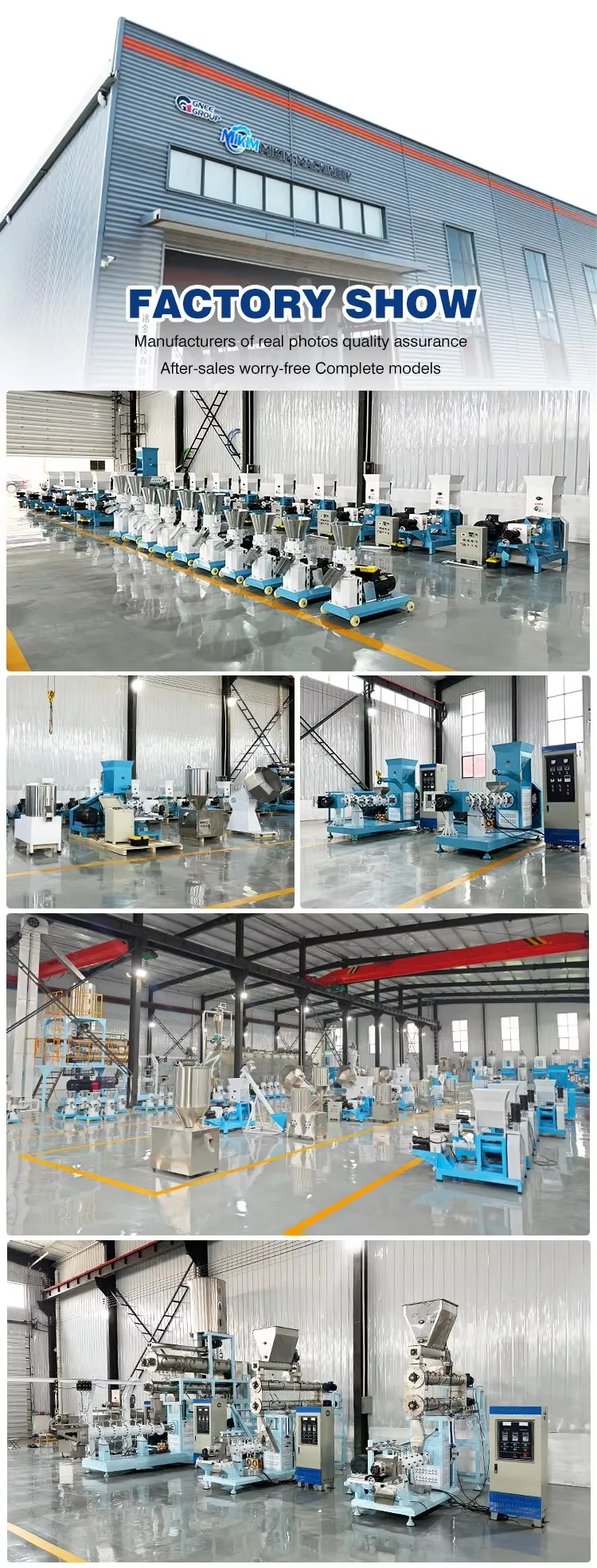
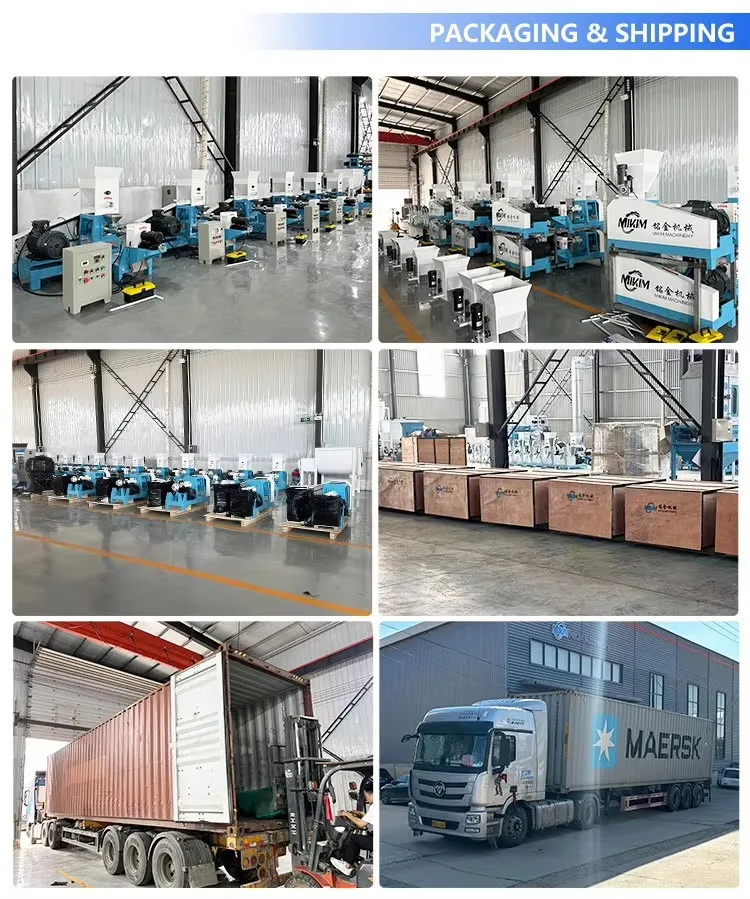


Tianjin Mikim Technique Co.,Ltd.