Wood Pellet Production Line: How to Choose the Right Setup According to Raw Materials?

Quick Answer What decides which machines a wood pellet production line needs is raw-material form and target output, not brand. Dry sawdust can skip the dryer. Wet or green material cannot. Logs and branches need size reduction first. Rice husk, straw and wood each pull the line in a different direction, and any step you can skip removes a machine, a motor and cost.
Most buyers begin by comparing pellet mills, then pick the wrong one for a reason that has nothing to do with the machine. This piece treats line selection as a route problem. It follows each material form in turn, then maps the routes side by side.
Here the question is what your material needs. Which mill and die to buy comes next, in the companion piece; see which pellet mill and die fit that route. Your material writes the route.
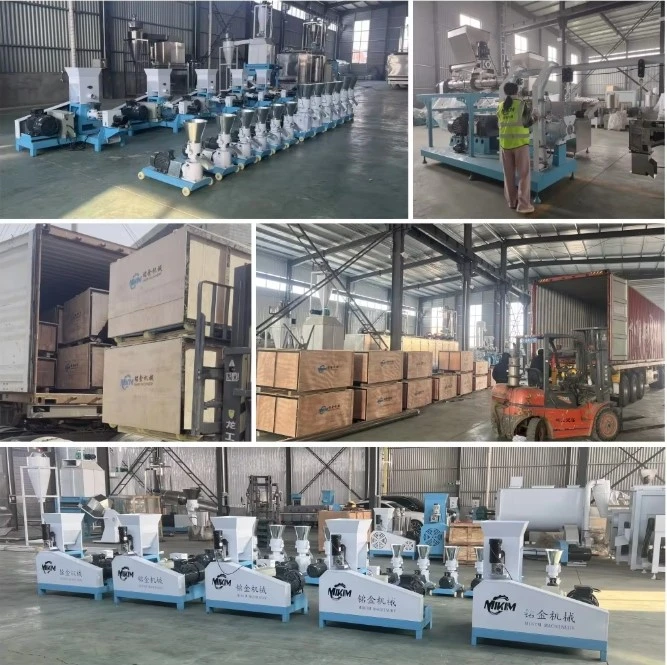
Small flat-die wood pellet making production line test
Why Does Raw-Material Form, Not Brand, Decide the Whole biomass wood pellet line?
Raw-material form decides the line because it decides which processes you require. A line is a chain of steps, and each step exists to solve one problem with the incoming material. If the material does not have that problem, the step is not needed.
Dry sawdust at the right moisture does not need drying. Logs do not only need drying; they also need crushing first, or the mill will not survive them. Long straw fibres do not flow like sawdust, and they can change the die choice. Rice husk brings its own grinding and die challenges.
The material tells you the route, and the route tells you the machines. A wood pellet production line is therefore not one fixed shopping list. It is the ordered list of problems your material has, solved in the right sequence.
That is why comparing brands before comparing routes is a mistake. A pellet mill rated for the same output can still be the wrong mill for your feedstock. Fix the route first, then choose machines within it. The FAO research on optimising wood pellet quality from hardwood residues reaches a similar conclusion. The feedstock sets the ceiling on what any mill can achieve.
Dry Sawdust and Shavings: Which Processes Can You Skip?
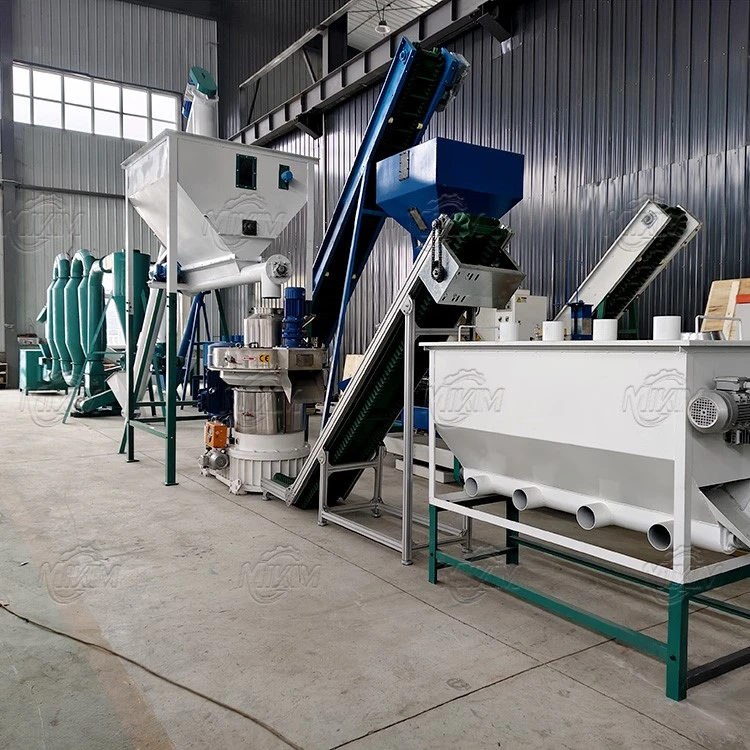
Dry sawdust and shavings are the simplest feedstock. When the material arrives dry and of a workable size, you can skip two steps that dominate the cost of a wet line.
- Skip the dryer when the sawdust is already dry enough to press, which removes the largest energy consumer in the line.
- Skip the coarse crusher when particle size is already fine and uniform, which removes a machine and a motor.
- Keep fine grinding if the material still holds oversize pieces that could block the die.
- Keep pelletising, cooling, screening and packing. No material skips these.
A dry-sawdust line is short, and that is its advantage. Furniture shops, sawmills and pallet plants can run a profitable line with far less equipment than a forest operation. Their material is already close to press-ready and held at a steady moisture.
A shorter line also needs less power, less maintenance and fewer operators, so the savings run for the whole working life of the plant. A complete wood pellet line still covers grinding, pelletising, cooling, screening and packing, but with fewer stages.
Logs, Wood Chips and Branches: Why Size Reduction Comes First
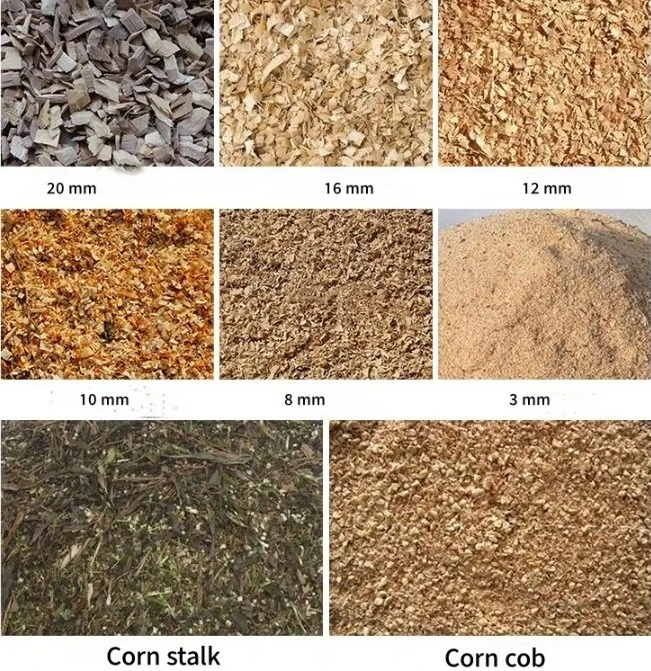
When your material is logs, wood chips or branches, size reduction comes before everything else. You cannot pellet a log. You cannot dry a branch that is still a branch and expect the dryer to work well.
You must break the material down and size it before you can dry, grind and press it.
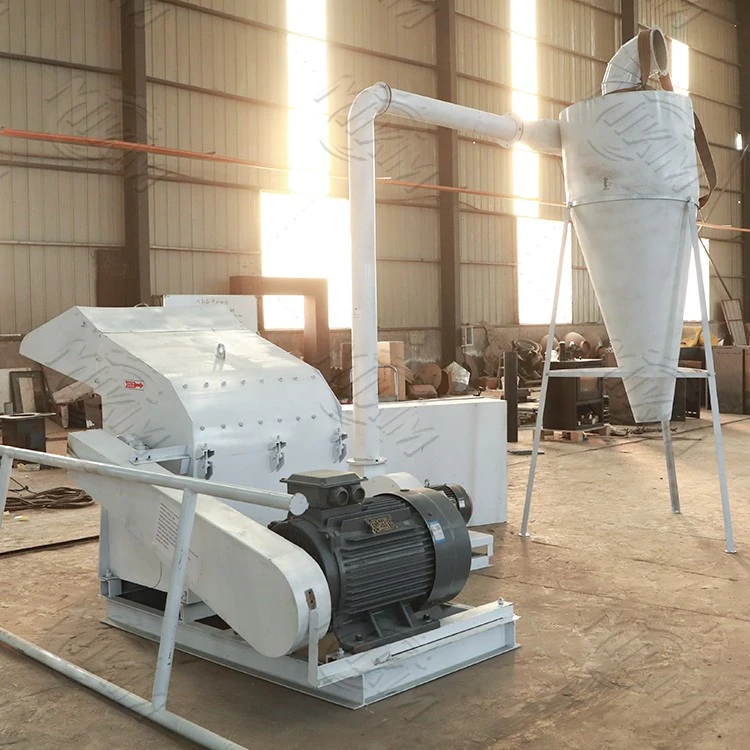
The standard sequence is a two-stage reduction. A wood crusher does coarse reduction, taking logs and branches down to a chippable size. A hammer mill then does fine grinding, bringing the material to a consistent particle size for the die.
The crusher handles the shock of dense wood, while the hammer mill handles consistency. Used together, they protect the pellet mill from oversize material. Oversize feed is one of the most common causes of die damage and downtime.
Size the crusher on the largest piece you expect to feed, not the average. A crusher too small for the log diameter will hold the whole line hostage.
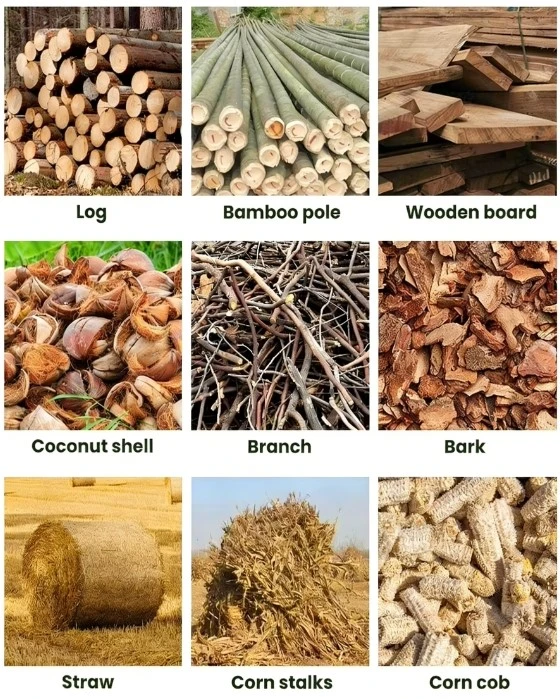
Table 1. Wood crusher range
Fine grinding then follows the crusher, and the mill range below sets the particle size the die expects. For how to judge that size, see proper particle size for wood chip pellets.

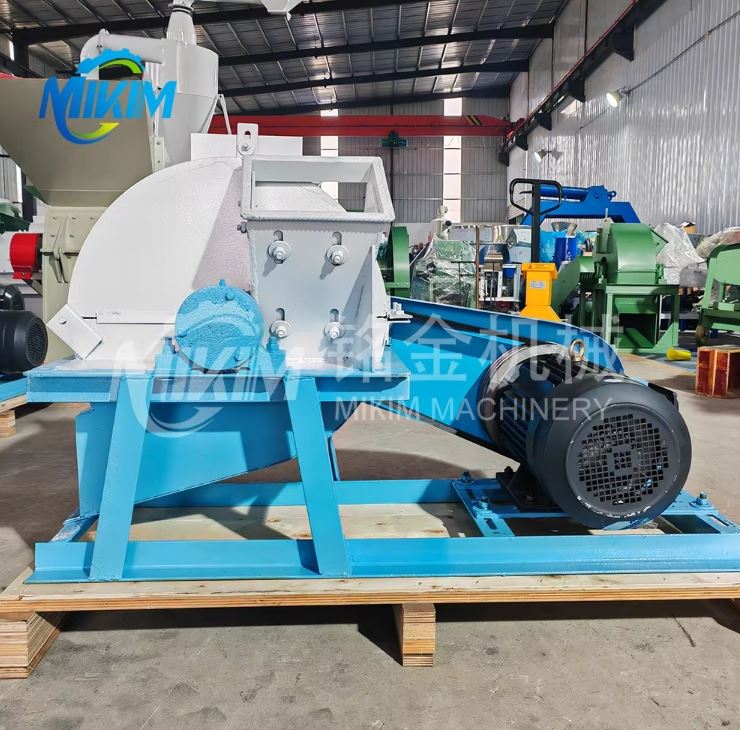
Table 2. Water-drop hammer mill range (fine grinding)
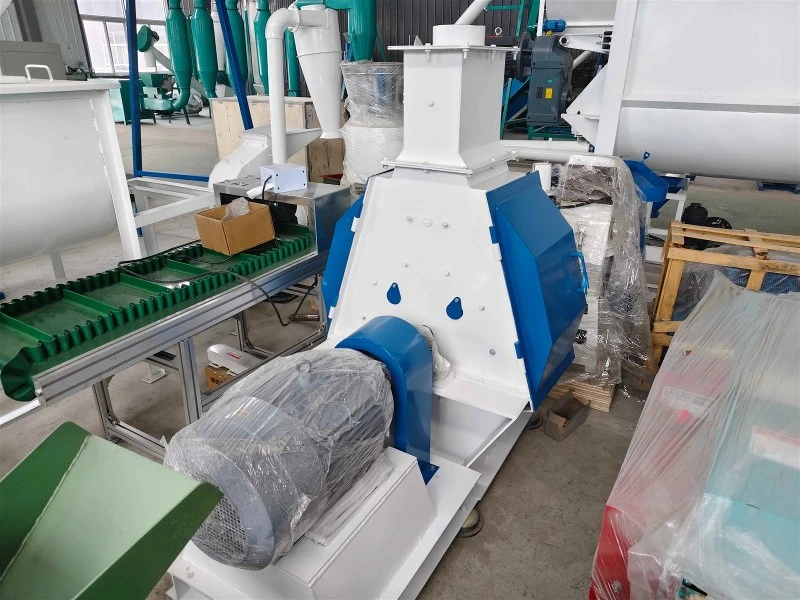
Table 3. Motor- and diesel-type hammer mill range (small and farm scale)

Wet or Green Sawdust: Where Does the Dryer Fit In?
A wet or green sawdust line brings moisture into the process, and moisture is the enemy of a stable pellet. The dryer sits between size reduction and fine grinding, and it is the step you cannot skip. A wet line runs receive, coarse reduce, dry, fine grind, pelletise, cool, screen, pack. The dryer is the heart of that difference.
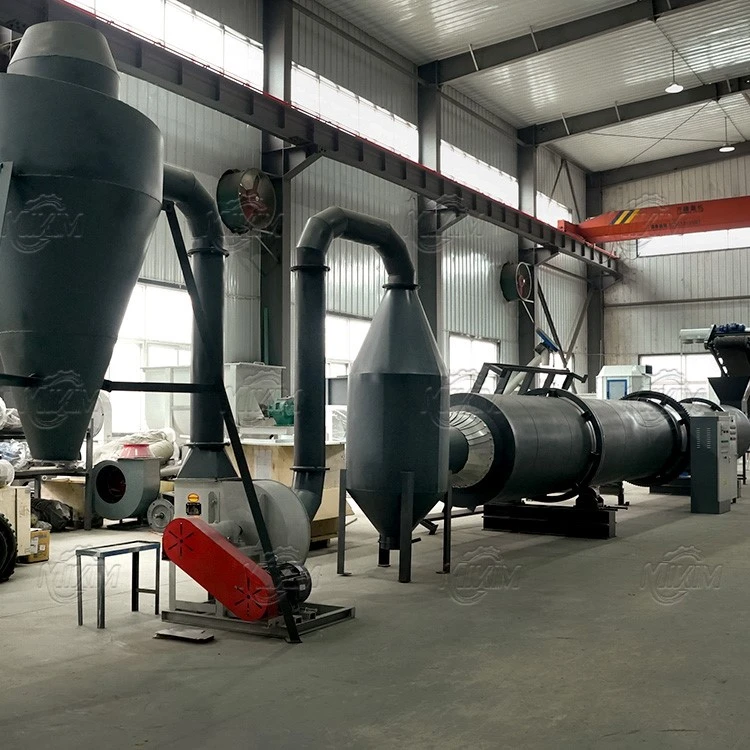
There are several dryer types, and the right one depends on how wet the material is and how much water you must remove.
- A rotary dryer is the workhorse for higher volumes.
- A three-pass rotary dryer is more compact for the same duty.
- An airflow dryer suits lighter, finer material.
- A vertical dryer suits smaller, batch-style operations.
The dryer also affects the rest of the line. Material that is too wet clogs hammer mills, and material that is too dry will not bind. Treat the dryer as a control point rather than a single machine.
Anyone who ignores it will spend the first month chasing moisture; see how raw-material moisture affects the pellet mill. A dryer sized on a guess will either starve the mill or burn extra fuel. Measure the incoming moisture before you order, and feed the dryer as evenly as you can.
Table 4. Dryer range
Drying does not stop at the drum. Damp finished pellets can spoil after the press as well, which is why how to dry damp fuel pellets without damage matters for any wet route.
Moist Straw and Agricultural Residue: Long Fibre Changes the Machine Choice
Moist straw and agricultural residue are not wood, and they behave differently. Their long fibres do not flow, do not feed evenly and do not compress the way sawdust does. Long fibre changes the machine choice in three ways.
- Pre-grinding gets more important. Straw needs chopping or coarse reduction before fine grinding, so the fibre is short enough to feed.
- You must match the die and compression to the material. A die tuned for sawdust may not suit straw.
- Drying still applies when the straw is moist, and straw usually is.
Straw can make excellent pellets, but it punishes a line that someone sized only for sawdust. Long strands do not compact the way short sawdust particles do. Strand-heavy material also bridges in the hopper, so an agitator or a wider throat can be the difference between steady feed and constant stoppages.
If you plan to run both wood and straw, tell your supplier up front. You can configure one line for both, but only when the design accounts for the fibre from the start. Straw also pellets well without a binder; see pelleting without additives.
Rice Husk: A Special Case in Grinding and Die Selection
Rice husk is a special case, and it deserves its own route. Two properties set it apart: its high ash content and its abrasive nature. Rice husk wears metal faster than wood, and it does not bind as easily.
That reality drives two decisions.
- Grinding must be fine and consistent. Even particle size helps the husk bind and reduces the load on the mill.
- Die selection must be deliberate. Rice husk needs a dedicated, abrasion-resistant die rather than one copied from a wood line.
Rice husk varies by region and by mill, so you confirm the right settings with a trial. Its low bulk density also means you move more volume for the same tonnage, which affects conveyor and silo sizing. Husk also wears dies faster, so they are replaced more often.
The practical route is set out in how to process rice husk into pellet fuel. Ask for that trial before you commit to a die.
Route-by-Route Equipment Matrix for a wood fuel pellet making line
The matrix below summarises the routes, and it is the fastest way to sketch a wood pellet production line. Read across the row for your own material.
Table 5. Route-by-route equipment matrix
Only the middle of each row changes. Every route starts by fixing the material's form and ends with cooling, screening and packing. If two rows look close for your material, follow the stricter one. A line built for the harder material will still handle the easier one. The wider densification context is set out in the FAO forestry report on wood densification.
Wood Pellet Production Line FAQ
What equipment does a complete saw dust pellet line include?
A complete saw dust pellet line includes size reduction, drying when needed, fine grinding, pelletising, cooling, screening and packing. The exact set depends on your raw material. Dry sawdust may need fewer machines, while wet chips, logs, straw and rice husk each add steps.
Do I need a dryer for wood pellets?
It depends on your material's moisture. Dry sawdust may not need a dryer at all. Wet or green sawdust, moist straw and many wood chips do. If the material is too wet it will not bind under pressure, so the dryer becomes essential rather than optional.
What is the ideal moisture content for wood pellet production?
The right moisture is the level at which your material binds well under pressure without clogging the grinder. It varies with feedstock, so you confirm it with a trial pellet run on your own material. A moisture meter before the press is your main control, and the exact target is set during testing.
How do you choose equipment for rice husk pellets?
Rice husk needs fine, consistent grinding and a die chosen for an abrasive, low-binder material. Its high ash and abrasive nature wear metal faster, so you select the die deliberately rather than copying it from a wood line. Confirm the setting with a trial on your husk.
Can one pellet stove pellet making line process different raw materials?
Yes, but only if it is designed for them from the start. You can configure a line to run both wood and straw, or wood and rice husk, when the grinding, die selection and drying are planned accordingly. Tell your supplier every material you expect to run before design begins.
What machines are needed for a small wood pellet plant?
A small plant starts with fine grinding, a pellet mill, a cooler, a screener and a packing machine, fed by a crusher if the material arrives coarse. Dry sawdust may skip the dryer and the coarse crusher.
Let Your Material Pick the Route
Route selection is simpler than it looks once you accept one rule: the material draws the line. Dry sawdust gets a short route. Logs and branches need size reduction first. Wet material must go through a dryer.
Straw calls for fibre-aware handling, and rice husk needs dedicated grinding and die decisions.
That is as far as the route question goes. What each material needs is decided here and now. Which pellet mill and die to buy, how to match every machine to a target output and what shapes the investment are covered in the companion article.
Everything starts with a test on your own material. Send us a sample and our engineers will confirm the route, then propose the machines and the line that fit your feedstock and target output. Your material decides the route; the route decides the machines. Get a route plan for your material →