


Wood Pellet Plant Investment: How to Match Pellet Mills, Ring Dies and Production Output

Quick Answer A wood pellet plant investment follows three linked choices: which mill family fits your scale, which die fits your feedstock, and how every other machine is matched to a target output. Get those three in order and the plant runs at its rated rate. Get them out of order and the mill becomes the wrong machine in a line built around it.
This piece covers the mill, the die, the output and the money. What your raw material actually needs is the companion piece, on the route each material needs. Match first, spend second.
1-1.2 T/H complete Wood Pellet Production Line test
Ring Die vs Flat Die wood stove pellet maker machine: Which Pellet Mill Fits Your Scale and Feedstock?
Ring model biomass granulators and flat die mills solve different problems, and neither is universally better. The choice follows your scale and your feedstock.
A ring die wood pellet machine is built for higher output. The die is stationary and the rollers rotate inside it, which spreads load evenly and suits continuous production. Ring die machines dominate the mid and large end of the market, and with the right die they handle a wide range of wood and biomass feedstocks.
A flat die biomass pellet mill is built for smaller scale and simpler setups. It is compact, easier to start up and well suited to small plants, farms and pilot lines. Both can pellet wood, so the real question is which one your output and feedstock justify.
Table 1. Ring die rice straw pellet making machine range
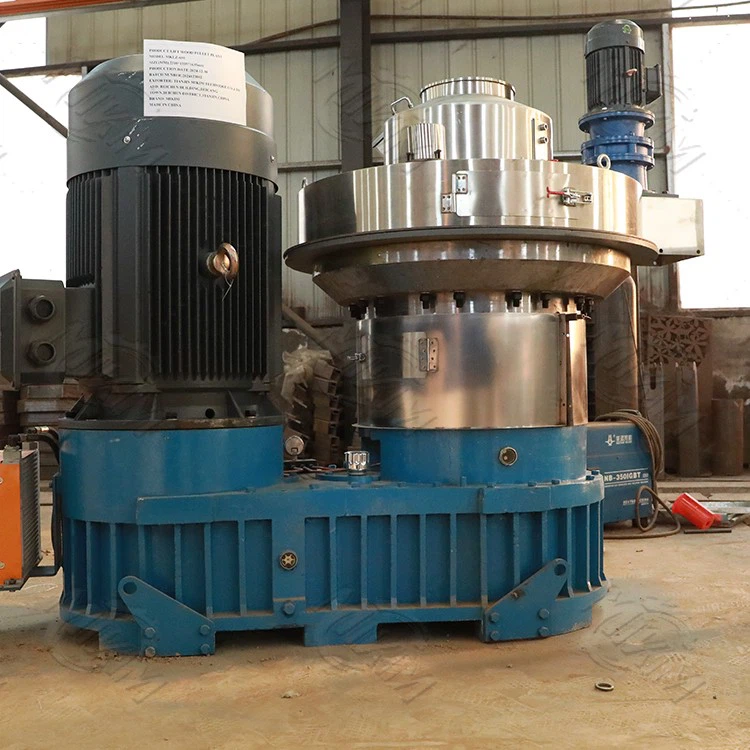

Table 2. Flat die Biofuel Sawdust Pellet Machine range


Table 3. ring die sawdust pellet mill vs Flat Die biomass sawdust pellet machine comparison
For the structural difference behind that table, see ring die versus flat die, structurally. The structural difference is one thing; the running cost is another, and ring die versus flat die, by lifecycle cost weighs the long run. A ring die earns its higher cost at higher output, while a flat die's simplicity fits a smaller plant better. The table is a starting point, not a verdict. Your feedstock's fibre, moisture and abrasiveness all push the decision one way or the other.
Pellet quality and fuel grading sit downstream of the mill choice. The graded wood pellet fuel specifications set out what a finished pellet has to meet.
How Do You Match Every Machine in a Wood Pellet Plant to Your Target Output?
Once the mill is chosen, size every other machine to the same target rate. No stage can run ahead of the one before it. The cooler, the conveyors and the elevator all have to keep pace with the press. A wood pellet plant investment depends on that balance.
The ranges on this page give the real numbers for the cooling and conveying stages.
Table 4. Cooling range

Table 5. Conveying range

Match the ranges to your target rate and the plant balances itself. The stage that cannot keep up is your real limit.
Check the grinder and the dryer first, because they are usually bought smaller than the mill needs. A gap there shows up as a mill that never reaches its rated output.
How Do You Match the Pellet Die to the Wood Chip Pellet maker Machine and the Feedstock?
In a wood pellet plant investment, the die is where the mill meets the material. Bore diameter sets pellet size, and compression ratio sets how hard the material is squeezed as it passes through. For how that ratio governs the squeeze, see die compression ratio explained. A die that is too open for a soft feedstock gives a crumbly pellet. A die that is too tight for a dense or abrasive feedstock raises load and wears out early.
Match the die on three things: the pellet diameter your market wants, the feedstock you actually run and the output you need. Then confirm the choice on your own material, because pellet behaviour shifts with fibre, moisture and ash. A die that suits clean softwood sawdust will not automatically suit rice husk or a straw blend.
Note: log hours against each die and watch for a rise in fines, since an unlogged die shows wear only when output drops.
The die is a running cost as much as a choice, which is where the investment picture starts.
What Actually Drives a Wood Pellet Plant Investment?
A wood pellet plant investment is set by four things, not by one headline number. Understanding them keeps a budget realistic and stops a cheap quote from turning into an expensive build. For machine-level numbers, see wood pellet machine price, capacity and power.
Equipment Set and Automation
The route and the automation level decide the equipment list. A dry-sawdust line needs fewer machines than a wet branch line, and every added stage adds cost.
Civil Works, Power and Site
Foundations, power supply and layout vary by location and by line size. These are the items buyers skip in the budget, and the ones that delay a start-up most.
Spares, Installation and Commissioning
Dies, rollers and screens are consumables, and abrasive material wears them faster. Installation and commissioning days sit on top of the equipment price, and they are easy to underestimate.
All three vary with raw-material moisture and target output. Only a factory test run and a formal quotation set the whole-line investment for your project. That is why the figure is written as [To be confirmed] here, and why any flat number quoted without your material details is not a quotation. For a full plant overview, see the biomass pellet plant page. For the wider densification context, the FAO forestry report on wood densification is a good place to start.
Which Configuration Mistakes Cost an Integrated Wood Sawdust Pellet Production Plant the Most?
A few of these bite in the first week. Others only show up as lost tonnes months later. These are the ones that cost the most.
- Choosing the mill before the die and the feedstock. The mill is only half the decision. The die has to suit the material, or the mill underperforms.
- Under-sizing the cooler. A cooler that cannot keep pace leaves hot pellets that break and bag badly.
- Under-sizing the conveyors and elevator. A stage that starves the press caps output no matter how strong the mill is.
- Forgetting spares and wear parts. Abrasive material wears dies and screens faster. A plant with no spares waits for every replacement.
- Buying on price alone. The cheapest quote often omits a stage your material needs, so compare complete sets rather than single machines.
- Leaving no headroom. A plant bought at its exact limit soon needs replacing, and the second purchase is the expensive one.
When a die does clog, the recovery is its own discipline, and unblocking a clogged pellet die covers it in detail. Most of these mistakes raise the real cost of a wood pellet plant investment. They trace back to one thing: a set of machines that was never matched to a single target output.
How Do You Plan a complete Wood Pellet Production Line Investment for Expansion?
Plan for expansion before you buy, not after you outgrow the plant. A common goal is moving from 1 t/h to 3 t/h. The design decisions you make today decide whether that step is cheap or painful.
- Size the upstream machines ahead of the mill. A grinder with headroom lets you raise output later without replacing it.
- Leave space and power for the next stage. Layout and foundation planning is cheap now and expensive later.
- Choose a mill family that scales. A ring die range that runs from 1–1.5 t/h up to 3–4 t/h lets you step up within the same design language.
- Keep the cooler and conveyors scalable. They must stay in step with the mill, or the new output sits waiting.
- Stage the investment. Build the route you need today, but wire and lay out for tomorrow.
Expansion is a design decision, not a re-buy. A plant planned with headroom grows with your orders. A small biomass pellet line is a sensible start precisely because it can be extended, stage by stage, into a larger plant.
Wood Pellet Plant Investment FAQ
What is the difference between a ring die wood chip granulator and a flat die biomass pellet making machine?
A Ring die Wood Chip Pellet maker Machine uses a stationary die with rollers inside, and it suits higher, continuous output. A flat die biomass pellet machine is more compact and suits small plants, farms and pilot lines. Both can pellet wood, so the choice follows your scale and feedstock rather than a rule.
How much raw material do you need for 1 ton of wood pellets per hour?
Raw-material input is higher than pellet output, because drying removes moisture and screening removes fines. The exact ratio depends on your feedstock's moisture and on your screening and cooling losses. You confirm it with a trial run on your own material.
How do you expand a Wood sawdust pelletizing line to a higher output?
Design for it up front. Size the grinder, dryer, cooler and conveyors with headroom. Leave space and power for the next stage, and choose a mill family that spans your future output. Expansion is far cheaper when it is planned than when it is forced.
How much does a wood pellet plant cost?
Cost is shaped by four groups of factors: the equipment set and automation, the civil works and power, the spares and wear parts, and installation and commissioning. No single figure fits every site, so the number is written as [To be confirmed] and set by a written, project-specific quotation.
Which machine matters most in a wood pellet plant?
The pellet mill sets the pace, but it is not the whole answer. A mill is only as good as the die in front of it and the cooler and conveyors behind it. Match the mill, the die and the rest of the plant to one target output, and the plant runs at its rated rate.
How do I keep the pellet die from clogging?
Match the die to the feedstock and keep the material at the moisture the die expects, so the holes do not jam in the first place. Screen incoming material so oversize pieces never reach the die. When a die does clog, clearing it is a maintenance job, and unblocking a clogged pellet die covers it. The durable fix is a die matched correctly at the point of purchase, which is a selection and cost decision, not a cleaning one.
Buy the Route, Then the Machines
A wood pellet plant investment is a matching exercise before it is a spending decision. Choose the mill family by scale and feedstock, and match the die to the material. Size the cooler, conveyors and elevator to one target output.
The mill, the die, the output and the money are settled here. What your raw material actually needs is settled in the companion article.
Bring your own material and target to the table. Send us your feedstock and target output, and our engineers will match the mill, the die and every supporting machine into one set, then price it in a written quotation against your project. Buy the route, then the machines. Tell us your feedstock and target output →



No Information


