

Products


5-20 tph RDF waste fuel rod briquetting machine
A Waste Cloth Paper Plastic Biomass RDF Machine is a continuous-duty compactor rated for 5 to 20 tph, built to run three shifts a day for 300 days a year. The Mikim BBR series uses a 110 to 315 kW main motor and a double-walled press sleeve to produce 70 to 90 mm briquettes at 900 to 1 100 kg/m3 for co-firing in cement kilns and coal-fired boilers.
Features
A Waste Cloth Paper Plastic Biomass RDF Machine is the answer when the input is municipal solid waste, refuse derived fuel, or industrial residue streams above 5 tons per hour, and the briquette must come out of a continuous, PLC-controlled, dust-suppressed line. Mikim's BBR series is the heavy industrial cousin of the BKY and BY presses: the same spiral or piston technology, but scaled up to 5 to 20 tph, with double-walled drying, hardfaced wear parts, and a control system that records every tonne produced. The BBR is the machine that turns a waste-handling problem into a fuel-supply contract with a cement kiln or a coal-fired power station.
Key Takeaways
- ✓ A 5 000 ton per month contract works out to 8.3 tph, which points to a BBR-800, not a BBR-1000.
✓ Mikim runs a 200 kg feedstock sample through a bench-scale BBR press before quoting; the audit takes about 14 working days.
✓ Press sleeves last 1 500 to 2 000 hours on MSW, 2 000 to 2 500 on RDF and over 3 000 on woody residue.
✓ A 10 tph RDF line ships for USD 1.2 to 1.8 million CIF and pays back in 3 to 5 years on a kiln contract.
On This Page
- What Is a RDF waste fuel rod briquetting machine Used For?
- BBR Plastic RDF Refuse Derived Fuel Cube Briquette Press Machine Models from 5 to 20 tph
- How to Match a RDF Waste Fuel Rod Briquetting Machine to a Fuel Contract
- How a Waste Cloth Paper Plastic Biomass RDF Machine Line Runs in Five Stages
- RDF waste fuel rod briquetting machine Layout for a 10 tph BBR Line
- RDF waste fuel rod briquetting machine Buyers Also Compare These Lines
- Large Biomass Briquette Machine FAQs on MSW, RDF and Payback
01What Is a RDF waste fuel rod briquetting machine Used For?
A RDF waste fuel rod briquetting machine is a continuous-duty compactor in the 5 to 20 tph output range, designed to run three shifts per day for 300 days per year, with maintenance windows scheduled every two weeks.
- • The Mikim BBR is built around a heavy steel frame, a 110 to 315 kW main motor, a double-walled press sleeve, and a PLC that monitors motor current, sleeve temperature and throughput in real time.
- • The output is a 70 to 90 mm briquette with bulk density between 900 and 1 100 kg/m3, suitable for co-firing in a cement kiln or a coal-fired boiler.
Why Municipal Solid Waste Needs a Different Briquette MachineMSW is a heterogeneous feed: paper, plastic film, food waste, garden waste, mixed in arbitrary proportions at the bunker. The Mikim BBR handles that heterogeneity with a pre-conditioning stage that mixes the MSW with a binder (typically 3 to 5 percent starch or molasses), brings the moisture to a controlled 12 to 15 percent, and preheats the mix to 60 to 80 degrees C before the press. Without that conditioning, the briquette either crumbles on the cooling line or fails to bind at all. The conditioning is the single most important difference between an MSW briquette line and a sawdust briquette line. |
What an RDF Line Looks Like End to EndRDF is the sorted and shredded fraction of MSW with paper, glass and metal removed. A Mikim RDF briquetting line is a 7-stage process: shredding, magnetic separation, air classification, secondary shredding, drying, binder addition, briquetting. The line is fed by a wheel loader and the output is a clean fuel that competes with coal on heating value. The capital cost is high - a 10 tph RDF line ships for USD 1.2 to 1.8 million CIF - but the cement kilns and the power stations that buy RDF briquettes pay a price that makes the line pay back in 3 to 5 years. |
02BBR Plastic RDF Refuse Derived Fuel Cube Briquette Press Machine Models from 5 to 20 tph
The BBR series Plastic RDF Refuse Derived Fuel Cube Briquette Press Machine is offered in four sizes, each scaled to a different cement kiln or power station contract size.

Mikim large biomass briquetting machine, industrial 5-20 tph line
| Model | Main Motor (kW) | Capacity (t/h) | Briquette Diameter (mm) | Briquette Density (kg/m3) | Weight (kg) |
|---|---|---|---|---|---|
| BBR-800 | 110 | 5-7 | 70 / 80 | 900-1000 | 8500 |
| BBR-1000 | 160 | 8-10 | 80 / 90 | 900-1050 | 12000 |
| BBR-1200 | 220 | 12-15 | 80 / 90 | 950-1100 | 16000 |
| BBR-1500 | 315 | 15-20 | 90 | 1000-1100 | 22000 |
A BBR-1200 line including the pre-conditioning, briquetting, cooling and bagging is the most common configuration. It ships in four 40 foot containers and needs a 50 m by 18 m building at 8 m eaves height, a 1 MW transformer, and a 5 ton overhead crane for the press change.
Wear Parts and Maintenance ScheduleThe BBR is a heavy machine and the wear parts schedule is a serious document. The press sleeve lasts 1 500 to 2 000 hours on MSW, 2 000 to 2 500 hours on RDF, and 3 000+ hours on woody residue. The screw flights are replaced every 600 to 800 hours. The hydraulic seals on the pre-conditioning gear are replaced every 1 000 hours. The gearbox oil is changed every 4 000 hours. Mikim includes a detailed wear parts schedule in the quotation, and a service contract is offered as an option for buyers who want predictable maintenance cost over a 5 year operating period. |
03How to Match a RDF waste fuel rod briquetting machine to a Fuel Contract
Buyers of large briquette machines are usually working backwards from a fuel supply contract.
- • The contract specifies tonnage per month, heating value, chloride content, mercury content and a fines share.
- • The BBR specification is set by the contract, not by the buyer's preference.
Step 1: Translate the Contract Into ThroughputA 5 000 tons per month contract at 5 percent moisture equates to 8.3 tph on a 24 hour, 30 day operating month. That is a BBR-800 line, not a BBR-1000. The right approach is to size the BBR to the contract with a 10 percent margin, not to the buyer's wish list. The single most common mistake in large briquette plant quotations is oversizing the press and starving it of feed for the first 18 months. |
Step 2: Match the Pre-Conditioning to the FeedstockThe pre-conditioning system is different for MSW, RDF, and industrial residue. The Mikim quotation always includes a feedstock audit: a 200 kg sample is sent to the Mikim workshop in Tianjin, run through a bench-scale BBR press, and the optimal binder addition, moisture and preheat temperature are recorded. The audit is included in the quotation and takes about 14 working days. |
Step 3: Verify the Stack and Emission NumbersA large briquette plant needs a bag filter or electrostatic precipitator on the dryer exhaust, a stack at 18 m above ground, and continuous emission monitoring. The Mikim quotation includes the dust collector and the CEMS, but the stack and the civil works are at the customer's site. Buyers in the EU should also plan for IED compliance, which adds 6 to 12 months to the permitting timeline. |
04How a Waste Cloth Paper Plastic Biomass RDF Machine Line Runs in Five Stages
A 10 tph BBR line is a 5-stage process with a PLC in the middle. The five stages and the throughput target at each stage are listed below.
Stage 1: Pre-ConditioningThe feedstock is mixed with 3 to 5 percent binder and heated to 60 to 80 degrees C in a paddle conditioner. The throughput target at this stage is 12 tph to allow a 15 percent shrink in the press. |
Stage 2: BriquettingThe BBR-1000 press takes the conditioned feedstock and compacts it into 80 mm briquettes at 8 to 10 tph. The motor current is the key operating parameter; an experienced operator reads the current and adjusts the feed rate to keep it within the band. |
Stage 3: CoolingA counter-flow cooler drops the briquette temperature from 80 to within 5 degrees C of ambient in 8 minutes. The cooler is sized for 12 tph to allow the upstream surge. |
Stage 4: ScreeningA vibrating screen removes the broken briquettes and the fines that would otherwise fail the customer's specification. The oversize is returned to the press; the fines are sold as a lower-grade fuel. |
Stage 5: Bagging or Bulk LoadoutThe briquettes are either bagged in 1 000 kg jumbo bags for road transport or loaded directly into bulk trucks for rail or ship. A cement kiln buyer usually takes bulk delivery; a district heating buyer usually takes bagged delivery. |
| Stage | Throughput Target (tph) | Key Parameter | Acceptance Range |
|---|---|---|---|
| Pre-conditioning | 12 | Binder addition (% by weight) | 3-5% |
| Briquetting | 8-10 | Motor current (% rated) | 70-90% |
| Cooling | 12 | Outlet temperature (C) | Ambient +5 C |
| Screening | 10 | Fines share (% by weight) | <2% |
| Bagging / loadout | 10 | Bag weight (kg) | 1000 +/- 5 |
05RDF waste fuel rod briquetting machine Layout for a 10 tph BBR Line
A BBR-1000 10 tph line needs a 50 m by 18 m single-storey steel building at 8 m eaves height, plus a separate feedstock storage hall of 30 m by 20 m, plus a 5 m by 5 m control room, plus a finished briquette warehouse of 40 m by 20 m.
- • The total site footprint is 1.5 to 2 hectares, with truck access for feedstock delivery and briquette dispatch.
- • A 1 MW transformer, a 5 ton overhead crane and a stack at 18 m are mandatory.

MSW and RDF briquetting line in waste-to-energy plant
06RDF waste fuel rod briquetting machine Buyers Also Compare These Lines
Buyers comparing large biomass briquette machines often also look at the Mikim equipment below - the smaller biomass briquetter, the alternative fuel form lines, and the upstream size reduction equipment.
Further reading: EU Industrial Emissions Directive (IED 2.0)
07Large Biomass Briquette Machine FAQs on MSW, RDF and Payback
If you are evaluating a biomass briquette press machine, the questions below cover the real-world decisions our buyers face on cement kiln and power station contracts. Each answer reflects what the Mikim engineering team has seen on the operating BBR plants in China, Southeast Asia, Eastern Europe and South America.
What is the largest Biomass Charcoal Briquette Making Machine Mikim supplies?
The BBR-1500 with a 315 kW main motor and 15 to 20 tph output is the largest in the standard range. Beyond that, Mikim supplies bespoke 25 to 30 tph lines for very large cement kiln and power station contracts, with a 12 to 14 month delivery lead time. The BBR-1500 itself ships in 5 to 6 months.
How is MSW prepared before briquetting?
MSW is first shredded to below 50 mm, then passed under an overband magnet to remove ferrous metal, then through an air classifier to remove light film, then dried to 12 to 15 percent moisture. A secondary shredder brings the material below 10 mm. The pre-conditioning with binder and preheat is the final step before the press. The full line is supplied by Mikim as a turnkey package.
What binder is used for MSW and RDF briquettes?
Starch, molasses, or a proprietary biomass-derived binder at 3 to 5 percent by weight. The binder is selected during the Mikim feedstock audit and is mixed with the dried feedstock in the paddle conditioner. Without binder, MSW briquettes crumble on the cooling line. With binder, the briquette passes a 1 m drop test and a 10 minute tumbler test.
What is the payback period for a 10 tph BBR line?
On a 10 tph BBR-1000 line selling briquettes at USD 90 to 130 per ton to a cement kiln, and with a feedstock tipping fee of USD 10 to 25 per ton, the typical payback is 36 to 60 months. The economics are sensitive to the cement kiln's alternative fuel price; if the kiln is currently paying USD 150 per ton for coal, the briquette price and the payback improve significantly.
Can the BBR Biomass Rod Brick Press Machine run on woody biomass in addition to MSW?
Yes. The BBR press is the same for woody and MSW feedstocks; only the pre-conditioning changes. On woody biomass the binder addition is reduced to 0 to 1 percent, the moisture target is lower (10 to 12 percent), and the preheat can be lower (40 to 50 degrees C). The Mikim feedstock audit covers both feedstocks and recommends the right pre-conditioning for each.
Request a Quote for a Plastic biomass rdf briquette briquetting making machine (BBR)
Send us the feedstock, the monthly tonnage in your fuel supply contract, the buyer's fuel specification and the destination port. Within one working day you get a BBR model recommendation, a feedstock audit plan and an indicative CIF price. A Mikim engineer stays 14 to 21 days for commissioning. The 12 month warranty covers the press, gearbox and motor.
Request a Feedstock Audit →About us

Machining and Testing Workshop

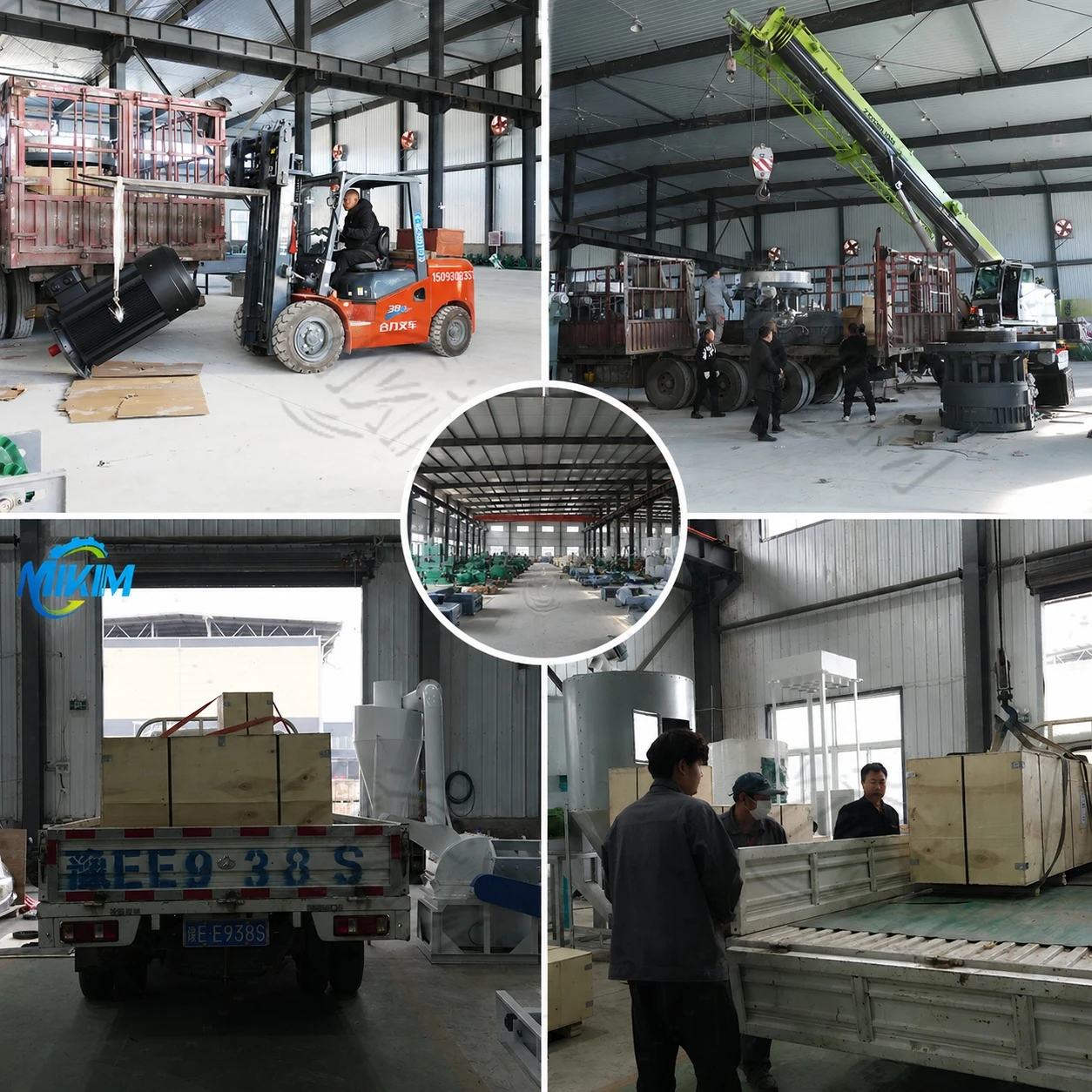
Packing and Shipping
Certificate of Honor

Hot Tags: 5-20 tph RDF waste fuel rod briquetting machine, China 5-20 tph RDF waste fuel rod briquetting machine manufacturers, suppliers, factory, hydraulic stamping Biomass Sawdust Briquette Machine, biomass briquettes machine supplier, biomass briquettes machine with easy operation, briquette presses, customized biomass briquettes machine, Automatic sawdust briquetting machine
You Might Also Like


Send Inquiry
