


What are the factors that determine the price of fuel pellet equipment?
Analysis of the core parameters that determine price
1. Power and Capacity Match
The higher the motor power of a small pellet mill, the higher its capacity. When purchasing, consider the raw material properties and daily production requirements to rationally match the power to avoid losses caused by overloading or no-load conditions.
2. Die Material and Thickness
The die is a key component in pelletizing, and its material determines its wear resistance and service life. The current mainstream die material is 42CrMo alloy steel or 304 stainless steel, which undergoes high-temperature vacuum quenching. Die thicknesses generally range from 20 to 60 mm. Pellet mills utilize a one-piece forging process to ensure die precision and pressure balance, effectively reducing dusting.
3. Drive System and Energy Control
Small pellet mills often use either a belt drive or a direct gear drive. Belt drives offer ease of maintenance and low cost, while direct gear drives offer increased efficiency and stable operation.

| Model | Power | Mold Hole | Capacity for industrial solid | Capacity for biomass | Pellet size(mm) |
| MKYK-36 | 45kw | 36 | 0.5-1.0 | 1.0-1.5 | 32*32*50-100 |
| MKYK-48 | 75kw | 48 | 1.0-1.5 | 1.5-2.5 | 32*32*50-100 |
| MKYK-72 | 110kw | 72 | 2.0-2.5 | 2.5-3.5 | 32*32*50-100 |
| MKYK-90 | 132kw | 90 | 2.0-2.5 | 3.5-5.0 | 32*32*50-100 |
| MKYK-120 | 200kw | 120 | 3.0-4.0 | 4.0-6.0 | 32*32*50-100 |
| MKYK-150 | 250kw | 150 | 4.0-6.0 | 6.0-10.0 | 32*32*50-100 |
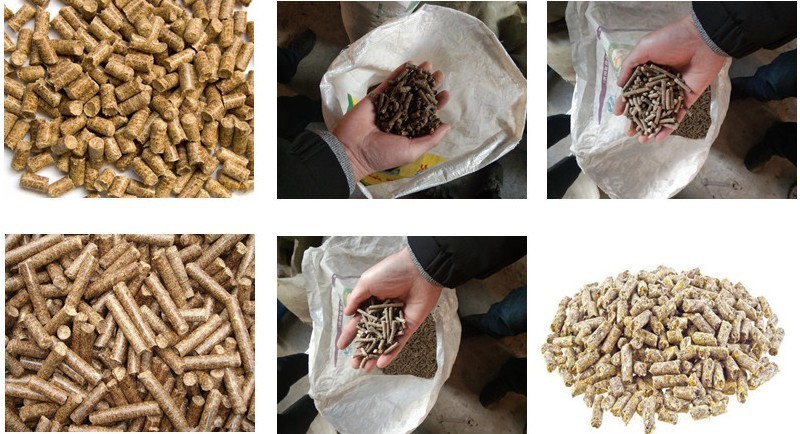
Finished product display
Production Process
1. Raw Material Storage System
Mainly used to store materials to prevent them from becoming damp and deteriorating, or from clumping and clogging pipelines. It also regulates the moisture content of materials to produce qualified products. It also allows for screening and grading of materials according to different product requirements.
2. Pulverization Unit
Solid granular raw materials are processed through mills and other mechanical equipment into powder products that meet particle size requirements for use in subsequent processes.
3. Drying Unit
This unit removes moisture and reduces the moisture content, thereby reducing heat consumption and smoke emissions. It also improves product quality and production efficiency, and also protects the environment.
4.There will definitely be a small amount of unqualified products. The screening equipment is to screen out qualified particles and remove unqualified particles.
5.Bucket elevator conveyor
In the pellet production line, the bucket elevator is used to transport materials vertically.
FAQ
Can rice husks be used to make pellets?
Yes, of course. Rice husks can be used to make pellet fuel. However, it's important to ensure the husks maintain a certain moisture content, around 10%.
What are the uses of wood pellets?
Wood pellets are typically used directly as fuel. These fuel pellets are often used to heat factory boilers and homes. Alternatively, wood pellets can be carbonized in a carbonizer to make charcoal pellets.
For more information on process design, equipment layout, plant construction plan, single machine equipment quotation, turnkey quotation, etc., please feel free to contact us.
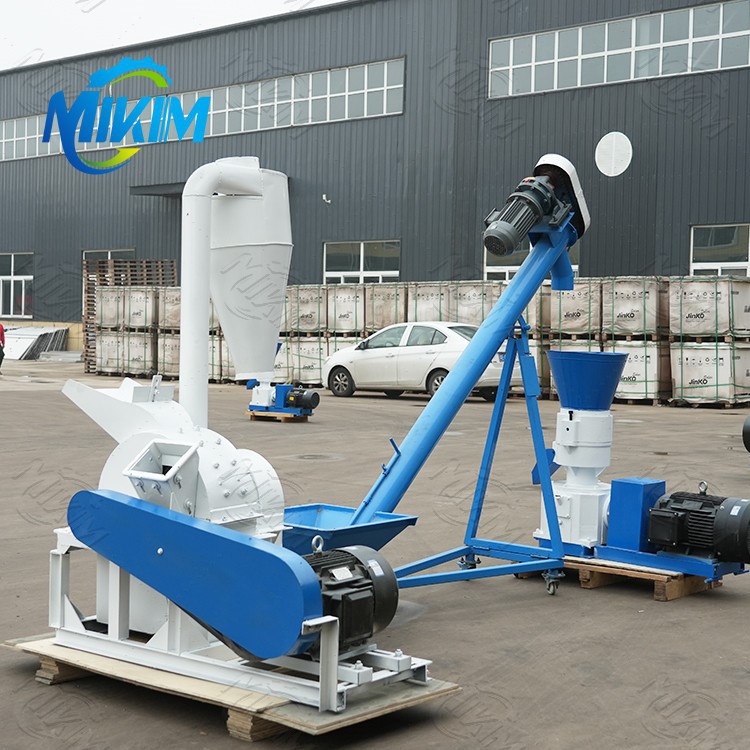
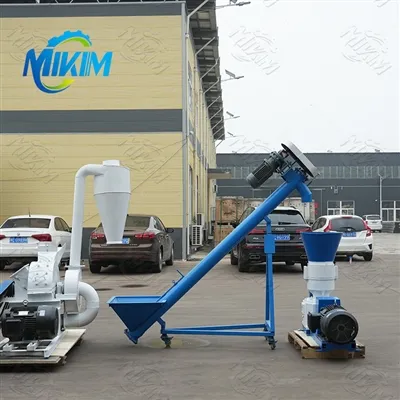
Equipment Photos

Certificate of Honor


