Why Your Flat die Biofuel Sawdust Pellet Machine Produces Coarse Pellets?

In the biomass fuel industry, the "surface finish" of a pellet is a key indicator of its density and quality. A coarse texture-characterized by a rough surface, visible fibers, or a matte finish-usually means the lignin in the wood hasn't been properly activated or the mechanical pressure is unstable.
The most common reasons for coarse wood pellets are:
- Low Moisture: Raw material is too dry to "polish" against the die.
- Oversized Particles: Sawdust pieces larger than 5mm creating a "scaly" surface.
- Worn Pellet Die: The internal walls of the die holes are no longer smooth.
- Low Compression: The roller-to-die gap is too wide, reducing surface fusion.
7 Causes of Coarse Pellet Texture and How to Fix Them
1. Optimize Sawdust Moisture (Target: 10%–15%)
Moisture is the "lubricant" that helps pellets slide through the die holes, creating a shiny, smooth surface.
- The Issue: If the sawdust is below 10% moisture, the friction is too high, and the lignin won't melt. This results in a "burnt" or rough, sandpaper-like texture.
- The Fix: Aim for 12% moisture. If the material is too dry, use a misting system in your mixer to add water gradually before pelletizing.
2. Standardize Particle Size (Target: 3–5 mm)
- The Issue: When you have large wood chips or long fibers, they don't integrate well. These large pieces stick out of the pellet, creating a "hairy" or coarse appearance.
- The Fix: Ensure your hammer mill screen is properly maintained. All raw material should be crushed to a uniform 3–5mm grit for the smoothest finish.
3. Replace Worn or Scratched Flat die biomass fuel Pellet making Machine Dies
- The Issue: Over time, the internal surface of the die holes becomes pitted or scratched. These imperfections are "mirrored" onto the surface of the pellet as it is extruded.
- The Fix: Regularly clean your die with oily sawdust. If the pellets remain rough despite correct moisture, it is time to replace the pellet mill die.
4. Adjust the Roller-to-Die Gap (0.1mm–0.3mm)
- The Issue: If the gap is too wide, the material is "squeezed" rather than "fused." This lack of intense pressure prevents the pellet from developing a hard, smooth outer shell.
- The Fix: Tighten your rollers to a clearance of 0.1mm – 0.3mm. The rollers should just barely touch the die surface.
5. Stabilize the Feeding Speed of a flat die biomass pellet machine
- The Issue: Intermittent feeding causes the temperature in the pelletizing chamber to fluctuate. Since heat is required to melt lignin for a smooth finish, unstable feeding leads to inconsistent texture.
- The Fix: Use an automatic screw feeder with a VFD to maintain a constant flow of material into the chamber.
6. Correct the Die Compression Ratio of a flat die biomass pellet making machine
- The Issue: Using a softwood die (low compression) for hardwood (which needs more pressure) will result in a rough, matte finish because the material isn't being compacted enough.
- The Fix: Ensure your die compression ratio matches your raw material type (e.g., 1:5 for hardwood, 1:6 for softwood).
7. Clean Clogged or Carbonized Die Holes in a Flat Die biomass sawdust pellet machine
- The Issue: If some holes are partially blocked with carbonized biomass, the pellets that do come out are often forced through under irregular pressure, causing a rough or "scaly" surface.
- The Fix: Perform a daily "oil flush" before shutdown to prevent material from hardening and scratching the die holes.
Quick Diagnostic: Pellet Surface Problems vs. Solutions
| Symptom | Primary Cause | Immediate Action |
| Rough, sandpaper-like surface | Moisture too low (<10%) | Add 1-2% water to mixer |
| Visible wood fibers / "Hairy" pellets | Particle size too large | Re-crush material to 3-5mm |
| Pellets have deep scratches | Worn/Damaged die holes | Replace the pellet die |
| Matte, dull finish (not shiny) | Low compression pressure | Tighten rollers; Check die ratio |
| Uneven texture in one batch | Unstable feeding surges | Use a VFD-controlled feeder |
Why Smooth Pellets are Better for Your Business
In the commercial market, smooth, glossy pellets aren't just for looks-they represent quality:
- Lower Dust: Smooth pellets have a harder "skin" and don't create dust (fines) during transport.
- Higher Bulk Density: Smooth pellets pack more tightly, making shipping more efficient.
- Customer Trust: Glossy pellets are an industry-standard indicator of high-quality, high-BTU fuel.
FAQ
Why are my wood pellets rough on the surface?
A rough surface is most commonly caused by dry raw material (below 10% moisture) or oversized wood particles. Without enough moisture, the natural lignin in the wood doesn't melt, preventing the pellet from developing a smooth, polished finish as it passes through the die.
How can I make my wood pellets look smooth and shiny?
To achieve a "glossy" finish: 1. Maintain 12% moisture, 2. Use a high compression die, and 3. Ensure your roller gap is set to 0.1-0.3mm. The heat generated by high pressure will melt the lignin, creating a natural plastic-like coating on the pellet surface.
Does sawdust moisture affect pellet texture?
Yes, significantly. If the sawdust is too wet, you may get "steam cracks." If it is too dry, the pellet will be coarse and "scaly." The ideal range for a smooth surface is 10% to 15%.
Why do my pellets have visible fibers sticking out?
This is a sign of insufficient crushing. If your hammer mill is producing particles larger than 5mm, these fibers cannot be fully compressed into the pellet core and will stick out, causing a coarse, "hairy" texture.
Can a worn die cause a coarse pellet finish?
Absolutely. The internal "polish" of a new die helps create a smooth pellet surface. As the die wears out, the internal walls of the holes become rough or pitted, which transfers that coarse texture directly onto the pellets.
For more details, please contact us 👉 Contact us for more details
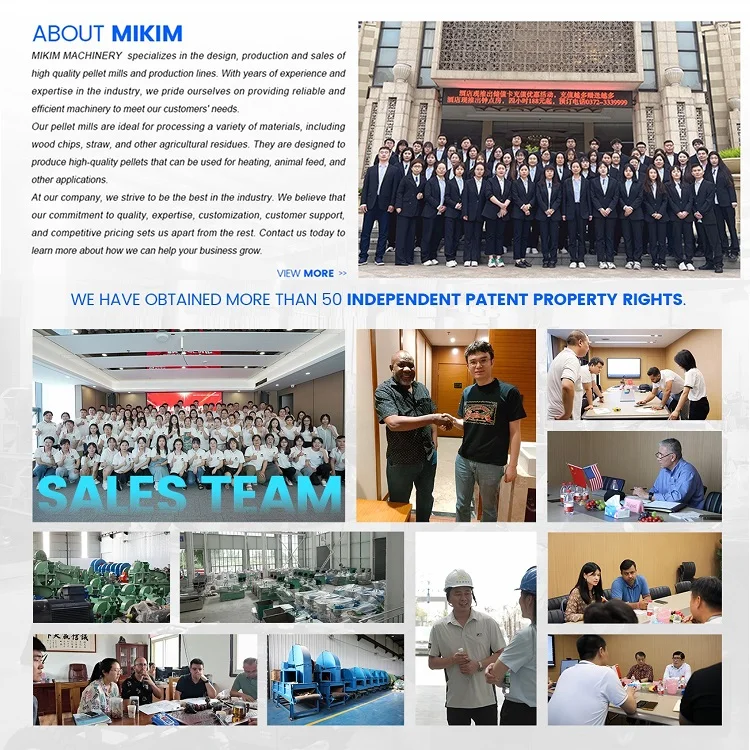
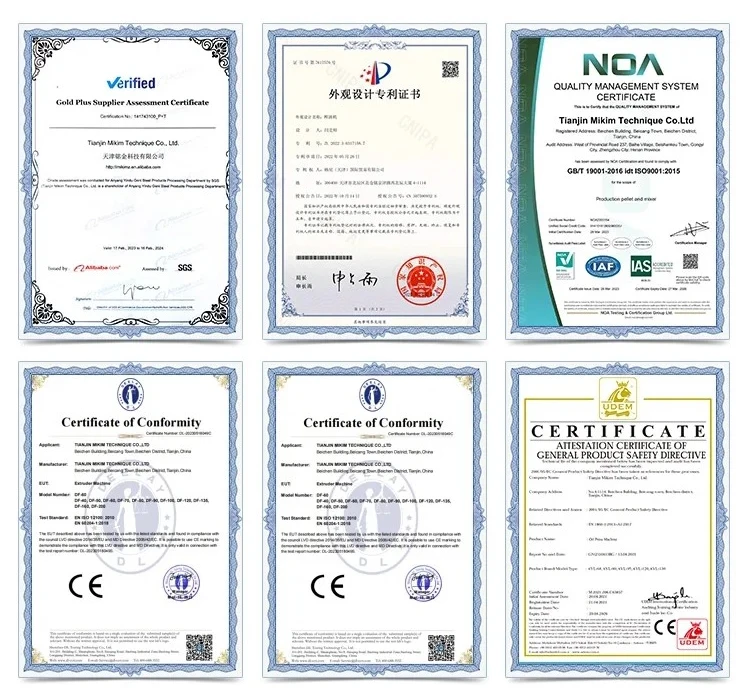
Company Profile


Packaging and shipping

Contact Us