How to control pellet size in a Flat die Biofuel Sawdust Pellet Machine?

In the biomass fuel industry, pellet size is a critical quality indicator. It is defined by two parameters: Diameter (determined by the die) and Length (controlled by the cutter). Consistent pellet size ensures your product meets international standards like ENplus and ISO, leading to better combustion and higher market value.
To control pellet size effectively, you must focus on:
- Die Selection: Choosing the right hole diameter (6mm, 8mm, etc.).
- Cutter Adjustment: Setting the distance between the blade and the die of a flat die biomass pellet making machine .
- Moisture Control: Maintaining a stable 10%–15% range.
- Feeding Stability: Ensuring a constant material flow to maintain pressure.
1. Controlling Pellet Diameter: The Role of the Pellet Die
The diameter of your pellets is a fixed mechanical setting. Unlike length, you cannot adjust diameter while the machine is running.
The Die Hole: The inner diameter of the die hole equals the pellet diameter.
Standard Sizes:
- 6mm: Most common for residential pellet stoves.
- 8mm: Standard for industrial boilers and larger heating systems.
- 10mm+: Used for power plants or animal bedding.
- Expert Tip: If you need to change your pellet diameter, you must replace the entire Flat Die biomass sawdust pellet machine die.
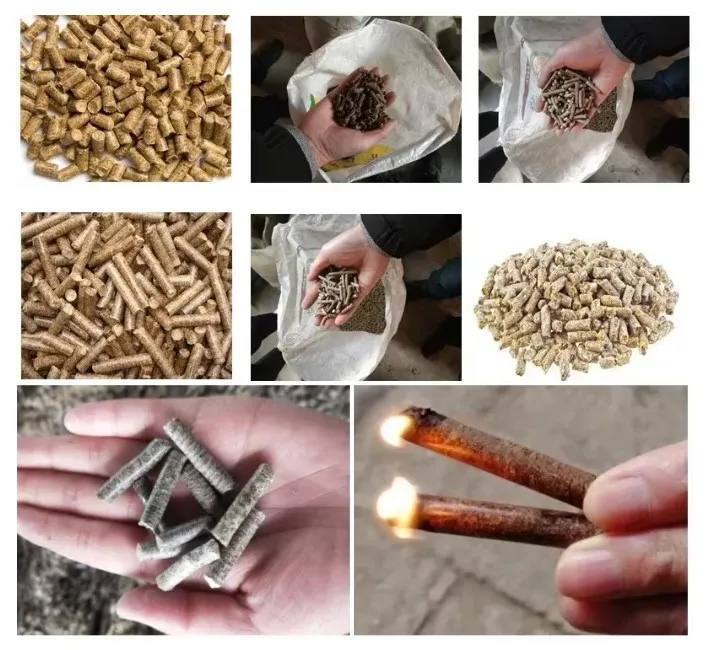
2. How to Control Pellet Length by Adjusting the Cutter System of a Wood Pellet Machine
The length of the pellet is determined by how far the "cutter" or "scraper" blade is from the die surface.
How it Works: As the compressed material is pushed out of the die holes, the rotating cutter shears it off.
The Adjustment:
- Closer to the Die: Produces shorter pellets.
- Farther from the Die: Produces longer pellets.
- Blade Sharpness: A dull blade will "crush" or tear the pellet rather than cutting it, leading to uneven lengths and excessive powder (fines).
3. Indirect Factors Affecting Size Consistency
Even with a perfect cutter setup, your pellet size can fluctuate due to "process" variables.
Raw Material Moisture (10%–15%)
- Too Wet: Pellets expand slightly as they exit (becoming thicker) and are soft, making the cut inconsistent.
- Too Dry: High friction causes the pellets to exit faster or become brittle, leading to snapping before the cutter even touches them.
-
Feeding Speed & Pressure
- Unstable Feeding: Fluctuations in the feeding rate cause changes in the extrusion speed. If the material pushes out faster, the pellets will be longer for the same cutter speed.
- VFD Usage: Using a Variable Frequency Drive (VFD) on your feeder ensures a steady extrusion rate and uniform lengths.
Troubleshooting Checklist: Pellet Size Problems
| Symptom | Primary Cause | Immediate Action |
| Pellets are too long | Cutter is too far from die | Move cutter closer |
| Pellets are too short | Cutter is too close to die | Move cutter away |
| Uneven pellet lengths | Unstable feeding or dull blade | Check feeder VFD; Sharpen blade |
| Irregular diameter | Worn-out die holes | Replace the die |
| Pellets look "shaggy" or torn | Dull cutter / Moisture too high | Sharpen blade; Dry raw material |
Why Consistent Pellet Size Matters in the Market
Commercial buyers and residential users prefer uniform pellets for several reasons:
- Automatic Feeding: Modern pellet stoves use augers designed for specific sizes. Inconsistent pellets can jam the system.
- Combustion Rate: Uniform size ensures a steady air-to-fuel ratio, resulting in cleaner burning and less ash.
- Packaging: Consistent sizes allow for more accurate bagging and higher bulk density during shipping.
FAQ
How do I adjust the length of wood pellets?
To change the length, you must adjust the cutter assembly on the flat model biomass granulator. By moving the knife blade closer to the die, you produce shorter pellets; moving it away produces longer ones. Ensure the machine is stopped or use the external adjustment handle if your model is equipped with one.
Why is my Flat die biomass fuel Pellet making Machine producing uneven pellet lengths?
Uneven lengths are usually caused by inconsistent feeding. If the material enters the Flat die sawdust pellet mill in "surges," the extrusion pressure fluctuates, causing the pellets to exit at different speeds. A secondary cause is a dull cutter blade that snags the pellets instead of cutting them cleanly.
What is the standard diameter for wood pellets?
The global standard for residential heating is 6mm. For large-scale industrial use, 8mm is common. Diameter is fixed by the holes in the pellet die and cannot be adjusted without changing the die itself.
Can sawdust moisture affect the size of the pellets?
Yes. If the sawdust is too wet, the pellets will be soft and may expand (swell) after leaving the die. If it is too dry, the pellets will be brittle and may break into random, shorter pieces before they reach the cutter. Aim for 12% moisture for the best results.
How often should I replace my flat die biomass pellet machine cutter blades?
For most industrial operations, blades should be inspected every 200–400 working hours. If you notice a sudden increase in powder (fines) or jagged pellet ends, it is time to sharpen or replace the blades.
For more details, please contact us 👉 Contact us for more details
Company Profile



Packaging and shipping

Contact Us