


What Is a Hydraulic Piston Press Wood Briquette Machine?Working Principle, Features, and Applications

A Hydraulic Piston Press Wood Briquette Machine is a high-pressure biomass densification system that converts loose wood waste (sawdust, chips) into high-density fuel blocks. Unlike screw-type presses, it uses a hydraulic cylinder to achieve pressures exceeding 100–150 MPa, utilizing natural lignin plasticization to bind materials without additives. It is the gold standard for industrial-scale biomass recycling due to its low wear, energy efficiency, and high-volume output.
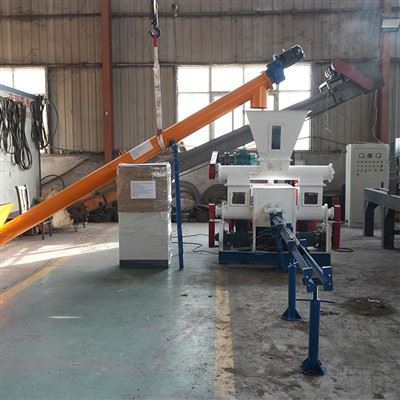
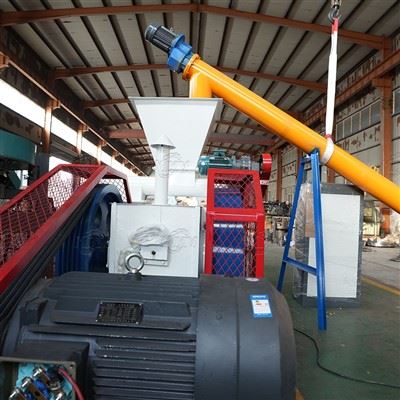
hydraulic Wood Briquette Press Machine test for Cuban customers
I am interested in this product
1. What is a Sawdust Biomass Fuel Briquette Piston Press Machine?
At its core, the Sawdust Biomass Fuel Briquette Piston Press Machine is an industrial solution for biomass waste management. It transforms low-value residues like sawdust, straw, and rice husks into premium, carbon-neutral solid fuel.
While mechanical presses rely on high-speed flywheels, the hydraulic system offers a controlled, consistent force. This stability ensures that every briquette produced has a uniform density, which is critical for industrial boiler performance and export-grade fuel standards.
The Core Technology: Lignin Plasticization
The secret to its efficiency lies in biology. Wood contains lignin, a natural polymer. Under the extreme pressure and localized heat generated by the hydraulic piston, lignin reaches its "glass transition" point, becoming a natural adhesive. This eliminates the need for chemical binders, making the final product 100% eco-friendly.
2. Technical Specifications & Material Requirements
To achieve optimal results, the raw material must meet specific engineering parameters. Failure to adhere to these can reduce briquette density or damage the hydraulic seals.
| Parameter | Optimized Range | Reason |
| Moisture Content | 8% – 15% | Vital for lignin activation; >15% causes steam cracks. |
| Particle Size | < 10 mm (3-5 mm ideal) | Ensures uniform filling of the compression chamber. |
| Compression Pressure | 100 – 160 MPa | Determines the final density (1.0 - 1.4 g/cm³). |
| Briquette Shape | Square, Rectangular, Round | Customizable based on end-user storage needs. |
Explore Full Technical Specifications for the hydraulic briquette maker machine Hydraulic Series
3. How Does a Hydraulic Sawdust Briquette Press Machine Work? A Four-Stage Automated Process
Modern hydraulic husk briquette maker machine operate on a fully automated cycle, often integrated with PLC (Programmable Logic Controller) systems:
- Automated Feeding: A screw conveyor or vibratory feeder delivers material into the pre-compression chamber.
- Pre-Compression: A secondary ram removes excess air from the loose biomass.
- Main Hydraulic Piston Stroke: The primary cylinder exerts massive force, compacting the material into a solid block within the mold.
- Automatic Discharge & Cooling: The briquette is pushed out. Many systems include an automatic cutting device to ensure uniform length for palletization.

4. Piston Stamping Press Biochar Briquettes Making Machine vs. screw-type wood dust charcoal briquetting machine: What Are the Differences?
When evaluating Biomass Densification Technology, the choice usually falls between Hydraulic Piston and Screw Extrusion. Here is why the hydraulic system wins in industrial settings:
| Feature | Hydraulic Piston Press | screw briquette extruder machine |
| Wear Parts Life | High (2000-4000 hours) | Low (50-200 hours) |
| Energy Consumption | Lower per ton produced | Higher due to friction heat |
| Smoke/Emissions | Minimal (Cold-press process) | High (Requires heating coils) |
| Maintenance | Low (Hydraulic oil & seals) | Constant (Screw welding/grinding) |
| Briquette Use | Industrial boilers/Power plants | Charcoal production/Home heating |
☆Learn more about the differences between hydraulic piston briquette presses and screw presses.
5. Industrial Applications: Turning Waste into Revenue
The ROI (Return on Investment) of a piston stamping Biomass Rod Brick Press Machine is driven by its versatility across multiple sectors:
- Woodworking Factories: Convert sawdust and offcuts into fuel for onsite kilns, reducing waste disposal costs.
- Large-Scale Farming: Turn crop residues (corn stalks, wheat straw) into transportable fuel blocks for power plants.
- Biomass Power Generation: Produce high-calorific fuel (approx. 4000-4500 kcal/kg) that serves as a stable alternative to coal.
- Paper & Pulp Mills: Efficiently manage bark and fiber waste.
6. Engineering Insights: Maximizing Your Machine's Lifespan
Expert Advice from our Engineering Team:
To ensure your hydraulic press lasts 10+ years, focus on Hydraulic Oil Management.
- Temperature Control: Ensure the oil cooler is functioning; overheating oil breaks down viscosity and damages seals.
- Filtration: Use high-precision filters to prevent micro-particles from scoring the cylinder walls.
- Material Consistency: Inconsistent moisture levels lead to "bouncing" of the piston, which causes mechanical fatigue.
7. FAQ
Q1: What are the wear parts of an Automatic Hydraulic Piston Wood Briquette Machine, and what is the typical replacement cycle?
A: Compared to traditional screw extruders, an Automatic Hydraulic Piston Wood Briquette Machine features significantly lower maintenance requirements and operational costs (OPEX). The primary wear parts and their maintenance intervals include:
- Piston Punch: Engineered from high-strength alloy, it typically lasts 2,000–4,000 hours depending on the abrasiveness of the biomass material.
- Forming Die: Manufactured from high-chromium alloy steel, the lifespan typically exceeds 3,000 hours.
- Hydraulic Seals: We recommend a preventive inspection and replacement every 12–18 months to ensure zero hydraulic fluid leakage and maintain system pressure.
- The Advantage: While a screw press requires screw re-welding every 100 hours, our hydraulic system ensures long-term continuous production with minimal downtime.
Q2: What is the expected ROI (Return on Investment) for an Industrial Biomass Charcoal Briquette Making Machine?
A: The ROI for an Industrial Biomass Charcoal Briquette Making Machine is driven by waste-to-value conversion and reduced logistics costs. Most industrial facilities achieve a full payback within 8–18 months.
- Waste Volume Reduction: Densification reduces the volume of loose biomass by up to 70%, drastically cutting transportation and storage expenses.
- Revenue Generation: Converts low-value sawdust or agro-waste into premium Biomass Charcoal Briquettes for industrial boilers or commercial heating.
- Energy Efficiency: Our hydraulic technology consumes less power per ton of output compared to mechanical impact systems, providing long-term energy savings.
Q3: Can a piston stamping Briquette Making Machine Biomass handle highly abrasive biomass materials?
A: Yes. This is a core technical advantage of the Hydraulic Piston Briquette Maker over screw-type wood shavings briquette maker machines. Materials such as rice husks and coconut shells contain high silica concentrations, which are extremely abrasive to metal components. While a screw-type wood briquette press machine might suffer total failure within 50 hours when processing silica-rich waste, our stamping-type briquette press utilizes a reciprocating stroke and hardened alloy punches to minimize friction. This significantly extends the service life of wear parts, making it the preferred choice for non-wood biomass processing.
Q4: Does the Stamping Biomass Briquette Press meet the global criteria for Carbon Credits and ESG compliance?
A: Yes. The Stamping Biomass Briquette Press is a critical asset for companies aiming for carbon neutrality and ESG (Environmental, Social, and Governance) certification. By substituting fossil fuels with densified agricultural waste, companies can significantly reduce their carbon footprint. Our 2026 models feature integrated Smart Meters and production logging systems, providing the verifiable data required for carbon accounting and applying for green subsidies in regions such as the EU (CBAM compliant) and Southeast Asia.
Q5: How are noise and dust levels controlled in a Piston Stamping Biomass Pellet Briquette Making Machine?
A: Modern Piston-type Sawdust Briquette Machines must comply with strict occupational health standards:
- Noise Control: Our hydraulic stations operate smoothly at 75–85 dB, which is significantly quieter than high-speed mechanical impact presses.
- Dust Management: The machine is designed with an enclosed compression chamber. For full ISO 14001 compliance, we recommend equipping the feeding port with a Pulse Jet Dust Collector to ensure that workshop air quality (PM2.5) remains within safe industrial limits.
Q6: Why do briquettes from a wood shavings briquette maker exhibit "Delamination" ?
A: Delamination, often referred to as the "pancake effect" in engineering, occurs when the briquette splits into thin layers. In a Wood Shavings Briquette Maker, this is usually caused by:
- Insufficient Holding Time: The material does not stay under pressure long enough for the lignin to bond.
- Fiber Resilience: High-fiber materials (like long straw or shavings) tend to "spring back" after compression.
- Expert Solution: Our PLC-controlled Automatic Briquette Press features an adjustable hydraulic holding system. By fine-tuning the stamping frequency and pressure-dwell time via the interface, the machine ensures perfect lignin plasticization, resulting in a monolithic briquette with high structural integrity and no internal cracking.
For raw materials with high fiber content, a high-efficiency wood crusher is recommended to produce uniform sawdust particles, improving the feeding stability and briquette quality of the hydraulic wood briquette machine.
For more details, please contact us 👉 Contact us for more details
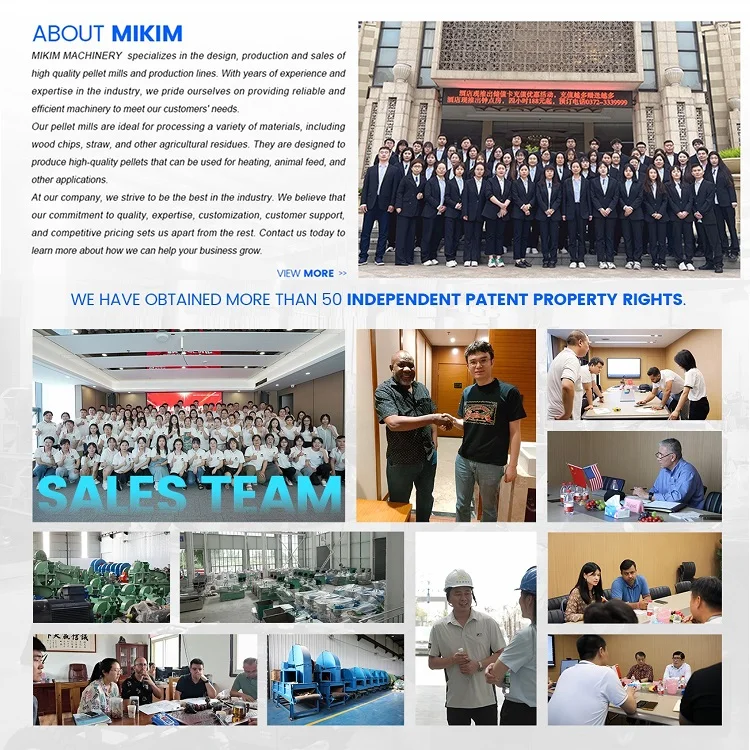
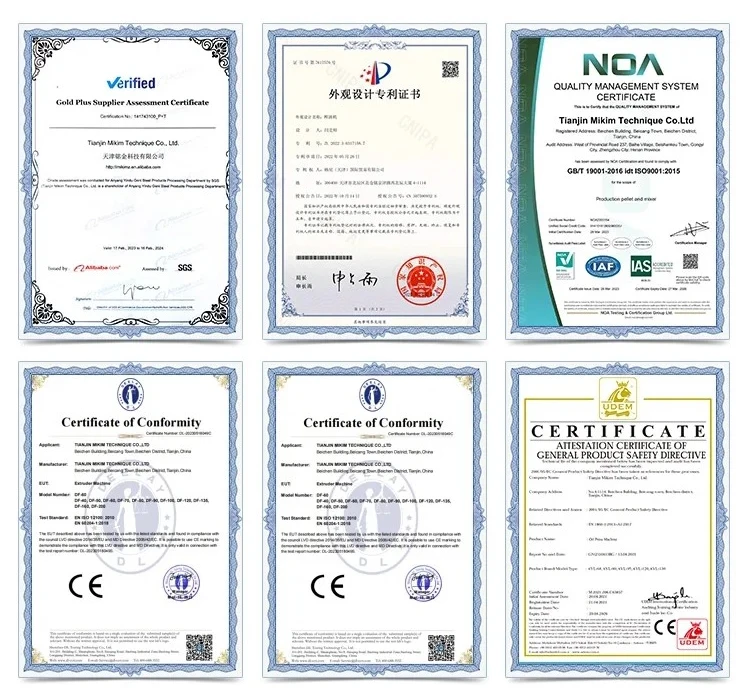
Company Profile



No Information


