How to Turn Sawdust Into High-Value Fuel Pellets With a Biomass Wood Pellet Making Machine?

Article Summary
Transformation Power: Converting loose sawdust into pellets increases energy density by 400%–500%.
Technical Standards: Raw sawdust must be ground to < 6mm with a "golden" moisture content of 12%–15%.
Lignin Activation: High-pressure pelletizing utilizes natural lignin as a binder; temperatures must reach 80°C–100°C for chemical-free bonding.
Quality Benchmark: Premium pellets are defined by a Pellet Durability Index (PDI) > 98% and ash content < 0.7% (ENplus A1 Standard).
1. The Science of Sawdust Pelletizing (Lignin Activation)
Turning sawdust into high-value fuel is a sophisticated thermo-mechanical process. It is not merely compression; it is a molecular transformation.
- Natural Binding: Wood contains lignin, a natural polymer. Under the intense heat and pressure of a professional pellet machine, lignin softens into a liquid state, acting as a natural glue. This allows for the production of 100% organic pellets without chemical additives.
- Energy Density: Loose sawdust has a bulk density of approximately 150 kg/m ³. High-quality processed pellets reach 600–700 kg/m ³, drastically reducing logistics, shipping, and storage costs while providing a consistent burn rate.
2. Technical Production Workflow: The Path to Quality
To achieve a Premium Grade product, the wood stove pellet maker production line must follow a precise sequence.
| Parameter | Standard Requirement | Business Impact |
| Input Size | < 6mm (Uniform) | Prevents machine blockages; ensures density |
| Moisture Content | 12% - 15% (The Golden Range) | Determines if pellets "steam-crack" or bind |
| Pelletizing Temp | 80°C - 100°C | Required for Lignin activation |
| Target PDI | > 98% | Reduces dust during transport; improves price |
A. Pre-Treatment & Sifting
Before entering the small home use wood pellet maker machine, sawdust must be cleaned. Use magnetic separators and vibrating screens to remove metals, stones, or oversized chunks. Contaminants are the leading cause of expensive die damage.
B. Moisture Control: The Profit Margin Factor
Moisture is the #1 variable in pellet quality.
- Too Wet (>15%): Pellets will be soft, produce excess smoke, and "steam-crack."
- Too Dry (<10%): Friction increases drastically, causing the die to overheat, the motor to trip, and potential fires.
- Solution: For commercial scales, a Rotary Drum Dryer is essential for maintaining consistent moisture across tons of material.
C. The Pelletizing Phase (Compression Ratios)
- The Compression Ratio (the ratio between the die hole's effective length and its diameter) must be tailored to the wood species:
- Softwood (e.g., Pine): Easier to compress; requires a lower ratio (e.g., 1:5).------Flat die Biofuel Sawdust Pellet Machine
- Hardwood (e.g., Oak/Eucalyptus): Harder to bind; requires a higher ratio (e.g., 1:7). ------Ring die Wood Chip Pellet maker Machine
D. Cooling & Hardening
Pellets exit the Biomass fuel pellet making machine hot and soft. A Counterflow Cooler reduces the temperature to within 5°C of ambient air. This "sets" the lignin, achieving maximum Pellet Durability Index (PDI) and preventing the pellets from turning back into dust during packaging.
3. The Economics of Pellets: ROI & Market Tiers
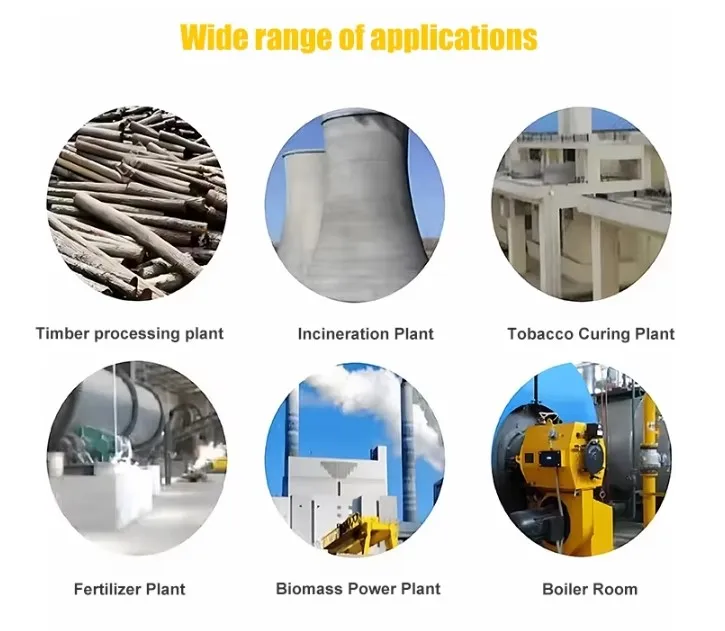
Converting sawdust is a strategic business move that transforms a waste liability into a high-demand commodity.
A. Value Transformation (Waste vs. Fuel)
- Raw Sawdust: Often has zero or negative value (disposal costs).
- Premium Pellets: Sold as a high-demand renewable fuel.
Industrial Bulk:
150–150–
250 per ton.
Bagged Residential (ENplus A1): $300+ per ton.
B. Market Tiers and Pricing Power
- Tier 1 (Residential / Premium): Produced from clean sawdust (no bark). These have low ash content (<0.7%) and command the highest prices for home heating stoves.
- Tier 2 (Industrial): Produced from mixed wood or sawdust with bark. These have higher ash content and are sold in massive volumes to power plants and industrial boilers.
4. Equipment Selection Guide: Choosing the Right wood stove pellet making machine
| Feature | Small-Scale / Farm Use | Industrial / Commercial Plant |
| Machine Type | Flat die biomass fuel Pellet making Machine | Ring Die wood stove pellet maker machine |
| Typical Output | 50 - 500 kg/hour | 1 - 20+ Tons/hour |
| Power Efficiency | Moderate | High (Low kWh per Ton) |
| Durability | Suitable for intermittent use | Designed for 24/7 continuous operation |
| Investment | Low Entry Cost | Higher ROI through scale |
FAQ:
Q: What is the best moisture content for making wood pellets?
A: The ideal moisture content for sawdust pellets is between 12% and 15%. This range provides the perfect balance: it's wet enough to transfer heat and melt natural lignin for binding, but dry enough to prevent "steam-cracking" or soft pellets.
Q: Why are my wood pellets crumbling or falling apart?
A: If your pellets are turning back into dust, it is usually caused by two things: low moisture (below 10%) or an incorrect die compression ratio. If the material is too dry, it won't bind; if the die is too thin, there isn't enough pressure to create a dense pellet.
Q: Do you need to add a binder to make wood pellets?
A: Generally, no. Most fresh sawdust contains natural lignin that acts as a glue when heated to 80°C–100°C. However, for extremely dry or aged wood, you can add 0.5%–2% vegetable starch or corn flour to help improve pellet durability (PDI).
Q: Is the wood pellet business profitable in 2026?
A: Yes. Converting free sawmill waste into energy increases its value significantly. With industrial pellets selling for
150–150–
250 per ton and premium bagged pellets reaching $300+, the ROI is high, especially as global demand for carbon-neutral biomass fuel grows.
Q: How long does a pellet mill die and roller last?
A: On a high-quality Ring Die machine, a die typically lasts 1,500 to 2,000 hours for softwood and 800 to 1,200 hours for hardwood. To maximize lifespan, ensure your sawdust is screened for sand, stones, and metal contaminants.
Q: Can you make pellets from hardwood sawdust?
A: Yes, but hardwoods (like Oak or Hickory) require a higher compression ratio die (e.g., 1:6 or 1:7) compared to softwoods. Because hardwood is denser and has slightly different lignin properties, it needs more pressure and time inside the die hole to form a solid pellet.
For more details, please contact us 👉 Contact us for more details
Company Profile