Wood Chip Pellet Maker Machine Testing for Australia: Mastering Eucalyptus & Hardwood Processing.
Summary
- Primary Objective: Validating industrial Biomass fuel pellet making machine performance using Australian-native biomass (Eucalyptus, Jarrah, Radiata Pine).
- Key Technical Parameter: Australian hardwoods require a specialized compression ratio (1:6 to 1:8) for optimal pellet density and durability.
- Compliance Framework: Equipment must align with AS/NZS 3000 electrical standards (415V, 50Hz, 3-Phase) and DAFF biosecurity import requirements.
- Quality Benchmarks: Testing ensures output meets ENplus or PFI standards, focusing on a Pellet Durability Index (PDI) > 98%.
- Operational Outcome: Rigorous pre-shipment testing reduces investment risk, optimizes energy consumption, and extends ring die lifespan.
1. Why Specialized Testing is Critical for Australian Biomass
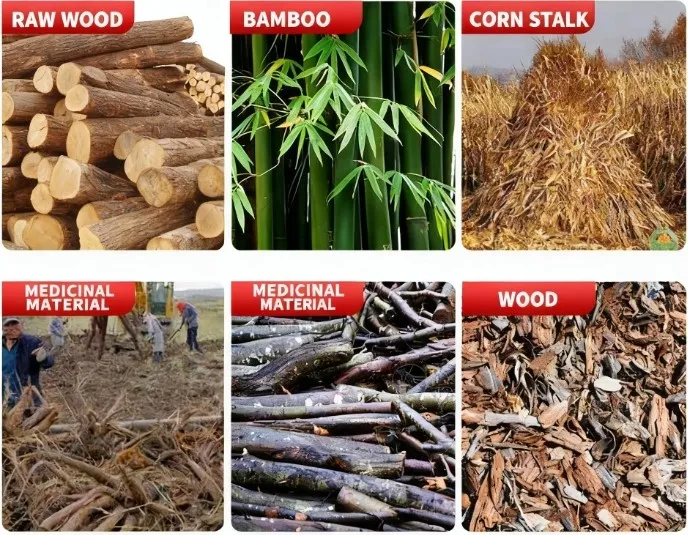
Australia's timber profile is unique. Unlike the softwoods common in Europe or North America, Australian wood waste requires customized mechanical settings.
- Hardwood Density Expertise: Species such as Eucalyptus and Jarrah are significantly denser than Spruce or Fir. Without a customized die ratio determined during testing, standard machines face frequent blockages.
- Moisture Precision: We test to ensure material is dried to the "sweet spot" of 12%–15%. This range is critical for Australian hardwoods to activate natural lignin for binding without chemical additives.
- High Oil Content Management: Certain Australian timbers possess high essential oil levels. While acting as a lubricant, these oils require precise temperature monitoring during testing to prevent scorching.
2. Technical Testing Protocols: A Step-by-Step Breakdown
To guarantee performance under Australian conditions, every machine undergoes a four-stage verification sequence:
A. Raw Material Analysis & Prep
- Size Reduction: Verifying hammer mill efficiency to ensure raw material is ground to less than 6 mm.
- Ash Content Verification: Ensuring low bark-to-wood ratios to maintain an ash production level of less than 1%.
B. Die Compression Ratio Optimization
- Hardwood Configuration: We utilize higher compression ratios for Eucalyptus to melt dense fibers into high-quality pellets.
- Softwood Configuration: For Australian Radiata Pine, we use standard ratios to prevent overheating and energy waste.
C. Real-Time Performance Monitoring
- Capacity & ROI: Measuring actual Tons Per Hour (TPH) using the customer's specific wood species.
- Temperature Stability: Maintaining ring die temperatures between 80°C and 100°C for consistent carbonization.
- Amperage Stability: Testing Siemens/ABB motors to ensure they operate within safe limits under heavy loads.
D. Pellet Quality Inspection
-
PDI Testing: Confirming pellets won't crumble during long-distance transport across Australia.
- Bulk Density: Aiming for a consistent 600–700 kg/m ³ to maximize shipping efficiency.
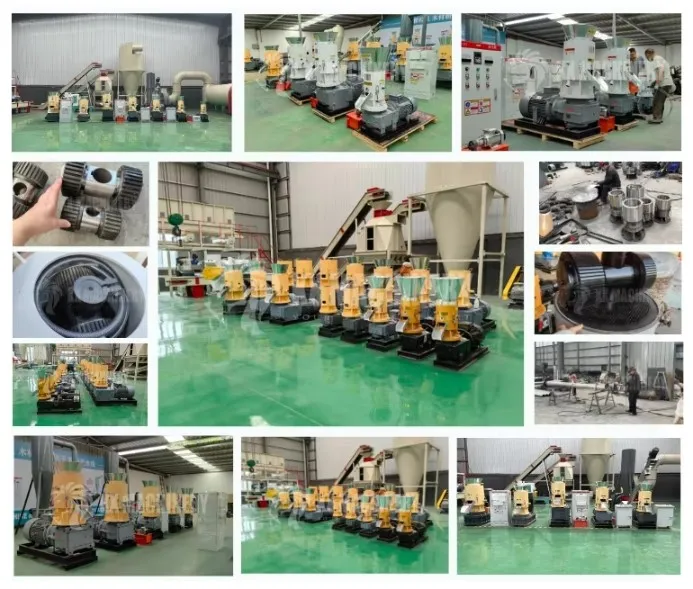
Ring die wood pellet making machine test
3. Australian Compliance and Safety Standards
- Electrical Safety (AS/NZS 3000): All wiring, PLCs, and motors are tested to meet Australian/New Zealand electrical codes and configured for 415V, 50Hz, 3-Phase power.
- Biosecurity (DAFF): Post-testing, wood dust pellet-making machines undergo a "deep clean" protocol. We remove all organic contaminants to ensure the machine passes Department of Agriculture, Fisheries, and Forestry inspections without costly quarantine delays.
- Workplace Safety: Decibel testing is conducted to ensure compliance with Australian OH&S noise mitigation standards.
4. Strategic Advantages of Pre-Shipment Testing
- Plug-and-Play Installation: Drastically reduces setup time at Australian facilities.
- Customized Spare Parts: Predicts the exact lifecycle of wear parts (ring dies/rollers) based on the abrasiveness of Australian wood.
- Risk Mitigation: Eliminates the financial risk of a machine-material mismatch before the equipment leaves the factory.
FAQ:
Q1: Can I send my own Australian wood chips (e.g., eucalyptus waste) for testing?
A: Yes. We highly recommend a "factory trial" using your specific material to determine the exact die configuration and compression ratio required for your project.
Q2: Why is the 415V 50Hz configuration important?
A: This is the standard industrial power spec in Australia. Testing with these parameters ensures that the motor and VFD (variable frequency drive) will perform correctly on your local grid without overheating.
Q3: How do you ensure the wood fuel pellet making machine passes Australian biosecurity (DAFF)?
A: We perform a comprehensive decontamination clean and provide a cleanliness declaration. This ensures no soil or raw wood residue remains in the machine, preventing expensive fumigation fees at the port.
Q4: How long does a ring die last when processing dense Australian hardwood?
A: For Eucalyptus, a high-quality alloy steel die typically lasts 800–1,000 hours. Using stainless steel dies can extend this to 1,500+ hours with proper maintenance.
Q5: What is the ideal moisture for pelletizing Australian timber?
A: Through our testing, we found 13% moisture is the optimal balance for most Australian hardwoods. Above 18% results in "soft" pellets; below 10% increases friction and wear on the machine.
For more details, please contact us 👉 Contact us for more details
Company Profile