


How to Choose the Right Biomass fuel pellet machine: A Practical Selection Guide
Choosing the right biomass pellet machine is a critical decision for anyone planning to produce wood sawdust pellets or other biomass pellets. The correct equipment directly affects pellet quality, production efficiency, operating costs, and long-term profitability.
This guide explains how to select a suitable biomass pellet machine based on raw materials, production scale, and application requirements, helping you avoid common investment mistakes.
What Is a Biomass Pellet Machine?
A biomass pellet machine, also known as a pellet mill, is used to compress loose biomass materials into dense, uniform pellets through mechanical pressure and heat.
Typical raw materials include:
- Wood sawdust
- Wood chips
- Straw and agricultural residues
- Rice husk and other biomass wastes
Different raw materials and output targets require different machine configurations.
Key Factors to Consider When Choosing a Biomass Pellet Machine
1. Raw Material Type and Characteristics
Raw material properties are the first factor to consider.
For wood sawdust pellets:
- Natural lignin content improves pellet bonding
- Medium compression ratios are usually sufficient
For agricultural biomass:
- Fiber structure varies significantly
- Higher compression ratios or pre-treatment may be required
Understanding your raw material ensures proper die design and stable pellet formation.

2. Required Production Capacity
Production capacity determines the size and type of pellet machine.
- Small-scale production: suitable for workshops or farms
- Medium-scale production: suitable for commercial startups
- Large-scale production: suitable for industrial pellet plants
Selecting equipment with realistic capacity prevents underutilization or production bottlenecks.
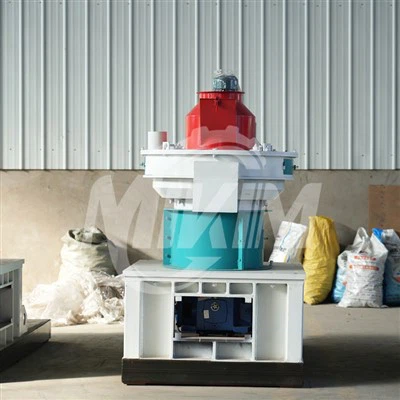
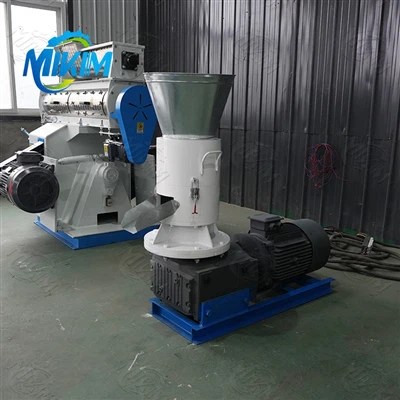
3. Flat Die vs Ring Die Pellet Machine
Choosing between flat die and ring die pellet machines is a common question.
| Item | Flat Die Pellet Machine | Ring Die Pellet Machine |
|---|---|---|
| Structure | Simple | Complex |
| Output | Low to medium | Medium to high |
| Stability | Moderate | High |
| Energy efficiency | Lower | Higher |
| Typical use | Small projects | Industrial production |
For continuous and large-scale biomass pellet production, ring die pellet machines are generally preferred.
4. Die Compression Ratio
The die compression ratio directly affects pellet density and durability.
- Low compression: easier pelletizing, lower density
- High compression: stronger pellets, higher power consumption
Matching compression ratio with raw material type is essential for optimal performance.
5. Motor Power and Energy Consumption
Motor configuration influences both output and operating cost.
- Insufficient power leads to unstable pelletizing
- Excessive power increases energy waste
Balanced power design improves long-term efficiency and equipment lifespan.
6. Automation Level and Supporting Equipment
A pellet machine rarely works alone in commercial production.
Common supporting equipment includes:
- Crushers and hammer mills
- Dryers
- Coolers and screeners
- Automatic packing systems
Higher automation reduces labor costs and improves production consistency.
How to Match a Biomass Pellet Machine with Your Production Line
A pellet machine should be selected as part of a complete biomass pellet production line, not as a standalone unit.
Consider:
Raw material preparation efficiency
Drying capacity vs pelletizing capacity
Cooling and storage requirements
Balanced line design prevents bottlenecks and improves overall output.


Common Mistakes When Selecting Biomass Pellet Machines
Many buyers focus only on machine price and overlook technical suitability.
Typical mistakes include:
Ignoring raw material moisture requirements
Choosing capacity far above actual demand
Overlooking after-sales service and spare parts availability
Avoiding these mistakes significantly reduces operational risks.
Cost Considerations for Biomass Pellet Machines
The price of a biomass pellet machine depends on:
- Machine type and capacity
- Die and roller materials
- Automation level
- Supporting equipment
Instead of choosing the cheapest option, evaluate cost per ton of pellets produced, which better reflects real operating value.
Conclusion
Selecting the right biomass pellet machine requires a clear understanding of raw materials, production scale, and long-term operating goals. A well-matched pellet mill improves pellet quality, reduces downtime, and ensures stable returns in biomass pellet production.
When combined with a properly designed production line, the right pellet machine becomes the foundation of a successful biomass pellet business.


