


Can You Profit from Fuel Production with the Best Small Biomass Pellet Maker for Home Use? Tips & Guide
Stable demand in traditional markets provides the fundamental profitability support for biomass pellet fuel. The industrial heating sector is the largest application market, accounting for nearly 55% of total demand. Cement plants, food processing plants, and power plants, among others, have strong demand for biomass pellet fuel to reduce costs and meet environmental requirements. For example, Chongqing Conch Cement has replaced 30% of its coal-fired kiln with biomass fuel, saving 2 million yuan in fuel costs annually. A food factory in Shandong uses biomass steam supply, which is 30% cheaper than natural gas, resulting in annual cost reductions exceeding 500,000 yuan. These industrial customers with essential needs can sign long-term supply agreements to ensure stable production line output. The demand in the district heating market is also continuously growing. In Nordic countries, over 60% of district heating systems use biomass pellets as the primary fuel. Strong winter heating demand in northern China provides a vast market for biomass pellet fuel.
Expanding into high-value-added emerging application areas is a key direction for improving profitability. Biomass pellet fuel can be used in the production of biomass-based hydrogen and sustainable aviation fuel (SAF). These high-end products command extremely high premiums; the price of sustainable aviation fuel can be up to 1.5 times that of fossil fuel jet fuel. Air China has signed a procurement agreement for 200,000 tons of green methanol (derived from biomass gasification), and Shanghai Electric's Taonan project, with an annual production capacity of 500,000 tons of biomass methanol, has obtained international certification. These high-end markets provide new profit growth points for large-scale biomass pellet producers.
Product certification and brand building can further enhance pricing power. The EU has extremely high requirements for the sustainability certification of biomass pellets; pellets with top-level certification will be priced more than 12% higher than ordinary products. A pilot enterprise in Shandong, whose biomass pellets have passed carbon footprint certification, has achieved a 10% premium, successfully connecting with the EU market and significantly increasing profit per ton. For producers, targeting different market tiers based on their scale-maintaining stability in the basic market and increasing premiums in the high-end market-can maximize profit margins.
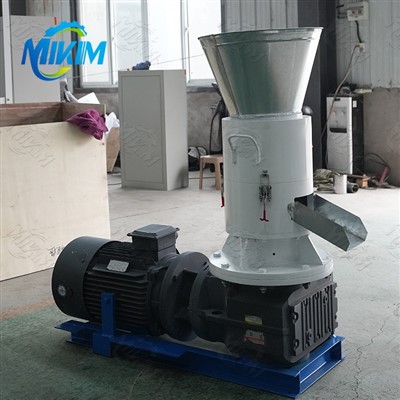
Related equipment


about us
Customer visit

Certificate of Honor

FAQ
1.What is the price of equipment for the Small Wood Pellet Mill?
It costs approximately US$1,500.00 - 25,000.00
2. If equipments have some quality problem, how would you deal with?
We will responsible for all the quality problems. Change all the parts for free.


