


Cost-Saving Tips for Biofuel Pellet Making Machines
content
Raw material costs constitute the largest expense in the production of small biofuel pellet making machines, accounting for over 50% of total costs. Optimizing raw material procurement and management models is crucial for cost control. Traditional raw material procurement relies heavily on intermediaries, with multiple markups leading to higher costs. Adopting a "farmer-cooperative-factory direct supply model" can effectively reduce costs. A pilot project in Henan province used a digital platform to dispatch straw collection vehicles, reducing intermediary markups and lowering the price of raw materials delivered to the factory by 18%. Simultaneously, expanding raw material channels beyond traditional straw and sawdust allows for the use of diversified raw materials such as urban greening waste and livestock manure. These materials are lower in cost and also benefit from policy support, further reducing overall raw material costs.
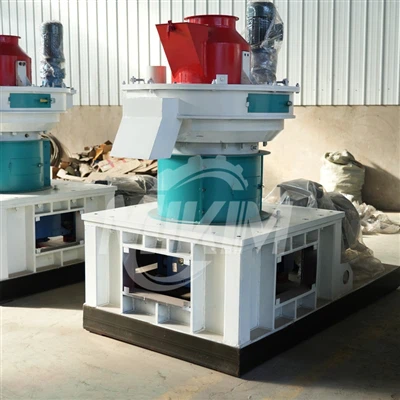
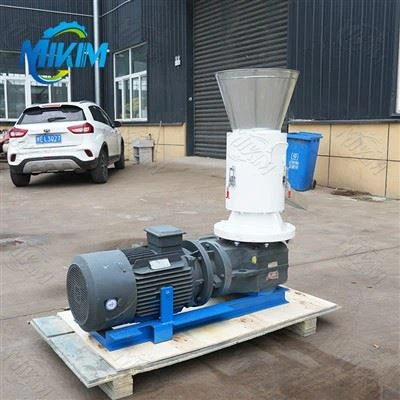
Seasonal raw material shortages can cause cost fluctuations. Using silage wrapping technology to preserve straw can reduce storage loss rates from 20% to 5%, ensuring a stable supply of raw materials during non-harvest seasons and avoiding high-priced procurement due to shortages. Furthermore, refined raw material pretreatment can also reduce hidden costs. By precisely controlling the moisture content of raw materials to 12%-15%, the pressing efficiency of small flat die wood pellet making machines can be improved, reducing energy consumption and equipment wear, indirectly lowering production costs. Technological upgrades are a key path to reducing energy consumption and maintenance costs. The new generation of ring-membrane biomass pellet machines introduces binder technology, achieving a low-temperature molding process that reduces energy consumption by up to 20%, resulting in a 15% reduction in production costs. Regarding equipment maintenance, establishing standardized maintenance logs and regularly inspecting and maintaining vulnerable parts such as pressure rollers and molds can extend component lifespan and reduce replacement costs. Using wear-resistant coating technology to treat the surfaces of pressure rollers and molds can increase the lifespan of vulnerable parts by 50%, further reducing the frequency and cost of mini wood pellet machine maintenance.
Fully utilizing tax incentives can directly reduce financial costs. According to policy, enterprises whose raw materials contain more than 80% farmer residues can enjoy a full refund of 13% VAT, reducing costs by approximately 100 yuan per ton and significantly increasing profit margins per ton. By comprehensively applying these cost control techniques, the profit per ton of biomass pellet production can be increased by 30%-50%, significantly enhancing profitability.
Related equipment

about us
Customer visit

Certificate of Honor

FAQ
1.What is the price of equipment for the best small biomass pellet maker machine for home use?
It costs approximately US$1,500.00 - 25,000.00
2. If equipments have some quality problem, how would you deal with?
We will responsible for all the quality problems. Change all the parts for free.


