


Are biomass pellets produced without using wood as a raw material reliable?
content
The reliability of wood-free biomass pellets (i.e., made entirely from non-wood raw materials) has been proven through extensive production practice, and test data from the Wood Pellet Mill provides strong support. A reputable testing institution conducted specialized tests on pellet products made from different raw materials, and the results showed that high-quality wood-free pellets completely match or even surpass wood pellets in key indicators.
Calorific value is a core indicator for measuring the energy value of biomass pellets. Test data shows that the calorific value of pure straw pellets can reach 4100-4300 kcal/kg, pure peanut shell pellets 4300-4500 kcal/kg, while ordinary sawdust pellets have a calorific value of 4200-4400 kcal/kg. Among these, pellets made from a mixture of cottonseed hulls and sunflower stalks have a calorific value as high as 4600 kcal/kg, exceeding that of high-quality pine pellets. This means that in energy applications such as heating and power generation, wood-free pellets can fully meet heat requirements, and some products are even more efficient.
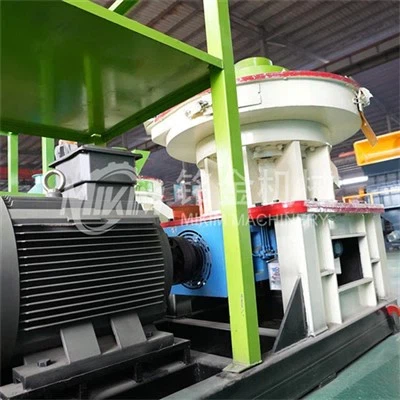
Forming rate and stability are important indicators of pellet quality. Through optimized processing using an Electric Wood Pellet Mill, the forming rate of wood-free pellets can be consistently maintained above 90%. Taking corn stalks as an example, after crushing and drying to a moisture content of 13%, a ring die wood pellet mill is used. The pressing pressure is adjusted to 10 MPa, and the temperature is controlled at 85℃. The pellet formation rate reaches 92%, and the pellet density is 1.15 g/cm³. It is not easily broken during transportation and storage, with a breakage rate of less than 5%, essentially on par with wood pellets. A biomass power plant using pure straw pellets generated electricity continuously for 30 days without any downtime due to pellet quality issues. The power generation efficiency was only 2% lower than when using wood pellets.
In feed applications, the advantages of wood-free pellets are even more pronounced. Pure alfalfa hay pellets are rich in protein, with a crude protein content of 18%-22%, far exceeding the 2%-5% of wood pellets, making them a high-quality livestock feed. A comparative experiment at a dairy farm showed that dairy cows fed with pure alfalfa pellets experienced an 8% increase in daily milk production and a 0.3 percentage point increase in milk protein content. These pellets, produced using low-temperature pressing technology (60-70℃) in wood pellet mills, effectively retain the nutrients in alfalfa. Palatability is also improved due to the pellet shape, reducing feed waste from 15% to 6%.
The reliability of wood-free pellets is also reflected in their environmental performance. Tests show that the sulfur emissions from burning pure straw pellets are only 0.03%, far lower than the 1.5% from coal, and carbon dioxide emissions are 8% lower than those from wood pellets, better meeting environmental requirements. In organic fertilizer applications, the heavy metal content of pure manure pellets meets national standards, and their application can improve soil structure and enhance soil fertility. These data and practical experience fully demonstrate that, with proper scientific processing, wood-free biomass pellets are completely reliable and are highly valuable biomass products.
Hay pellet machine for sale



about us
Customer visit

Certificate of Honor

FAQ
1.What is the price of equipment for a Industrial wood pellet machine?
It costs approximately US$1,900.00 - 28,600.00
2. If equipments have some quality problem, how would you deal with?
We will responsible for all the quality problems. Change all the parts for free.
3. What services can we provide?
We have professional overseas installers responsible for installation, commissioning, and free training. Professional personnel are waiting for you online 24 hours a day.
If you don't how to choose the right hay pellet mill, need flat die type or need ring die type. Just tell us your requirements, budget and more detailed information, our professional experts will help you to choose a hay pellet machine that suits you most.


