


Which Non-Wood Materials Can Be Made into Biomass Pellets Using a Wood Pellet Machine?
The widespread application of wood pellet manufacturing processes demonstrates that the variety of non-wood biomass raw materials far exceeds expectations; with proper scientific pretreatment, they can all be processed into high-quality pellets. These raw materials are mainly divided into three categories: agricultural waste, industrial biomass byproducts, and livestock waste, each with unique processing value.
content
Agricultural waste is the most readily available and lowest-cost raw material. Corn stalks, wheat stalks, rice stalks, and other gramineous crop stalks have high fiber content and stable sources, making them the mainstream raw materials in northern regions. During processing, the stalks are first cut into 2-5cm segments using a crusher, then further pulverized into powder smaller than 2mm. After drying to reduce the moisture content to 12%-15%, the powder is fed into a wood pellet machine for pressing. A cooperative in Henan province processed biomass pellets from corn stalks, with a cost of only 800 yuan per ton and a selling price of 1800 yuan, resulting in a profit margin exceeding 100%. Besides straw, shell materials such as peanut shells, cottonseed hulls, and rice hulls are also highly valuable, possessing high density and calorific value. They can be processed without complex pretreatment and are suitable for small-scale wood pellet machine production.
Industrial biomass byproducts provide a stable source of raw materials for pellet production. Sugarcane bagasse from the sugarcane refining industry, waste paper pulp from the paper industry, and medicinal residues from traditional Chinese medicine factories can all be used as processing raw materials. Sugarcane bagasse has strong fiber toughness, requiring a specialized electric wood pellet mill with a pressing pressure of up to 12 MPa during processing. The resulting pellets have a calorific value of up to 4300 kcal/kg, making them an important energy supplement for sugar mills in southern China. Medicinal residues require fermentation to remove odors and harmful components before being mixed with straw to produce organic fertilizer pellets, achieving a circular utilization of "medicine-agriculture". One traditional Chinese medicine company collaborates with a livestock farm, processing 5000 tons of medicinal residues annually, and the resulting organic fertilizer pellets are in high demand.
Livestock waste can also be transformed into valuable resources after treatment. Cow dung, sheep dung, and other livestock manure, after dehydration (moisture content reduced to below 20%), fermentation, and deodorization, can be mixed with hay to produce organic fertilizer pellets. These pellets are rich in nutrients such as nitrogen, phosphorus, and potassium, making them suitable for fruit and vegetable cultivation. A livestock farm in Inner Mongolia uses a wood pellet machine to process cow manure and alfalfa hay into organic fertilizer at a 7:3 ratio, generating annual sales of 3 million yuan. This not only solves the manure pollution problem but also creates additional revenue.
The processing of different non-wood materials requires matching the corresponding wood chip pellet machine parameters. For example, long-fiber straw requires higher machine speeds, husk materials can have lower pressing temperatures, and manure requires enhanced machine cleaning functions. By mastering these points, producers can fully utilize local non-wood resources, reduce production costs, and enhance market competitiveness.
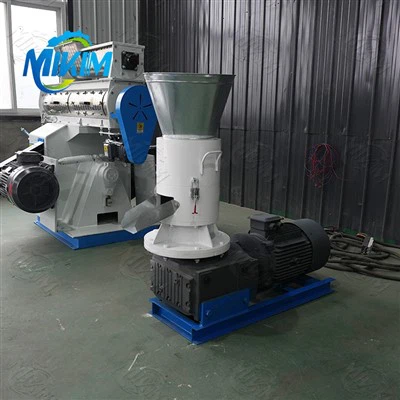
Hay pellet machine for sale


about us
Customer visit

Certificate of Honor

FAQ
1.What is the price of equipment for a Industrial wood pellet machine?
It costs approximately US$1,900.00 - 28,600.00
2. If equipments have some quality problem, how would you deal with?
We will responsible for all the quality problems. Change all the parts for free.
3. What services can we provide?
We have professional overseas installers responsible for installation, commissioning, and free training. Professional personnel are waiting for you online 24 hours a day.
If you don't how to choose the right hay pellet mill, need flat die type or need ring die type. Just tell us your requirements, budget and more detailed information, our professional experts will help you to choose a hay pellet machine that suits you most.


