


How to properly operate a small biomass wood Pellet mill for beginners?
Steps to prevent Wood chip pellet machine malfunctions
Thorough preparation before starting the machine is the first step in avoiding malfunctions. A common oversight for beginners is the no-load test run. The correct procedure is: first, check the lubrication level (ensure the oil level in the pressure roller bearings and reducer is within acceptable limits), whether the anchor bolts are tightened, and whether the safety guard is intact; then, turn on the power and run the machine under no-load for 3-5 minutes, observing whether the machine runs smoothly and without abnormal noise. Only after confirming there are no problems should you start feeding material. Simultaneously, confirm in advance that the raw materials have undergone pretreatment (moisture content, particle size, and impurity removal meet standards) to avoid starting the machine with problems.
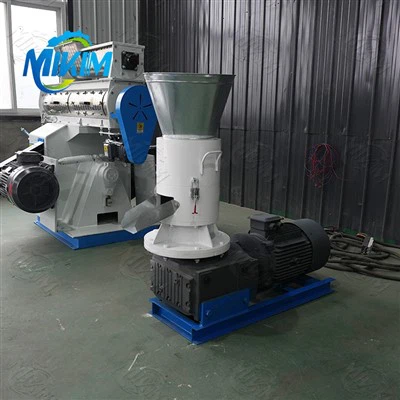
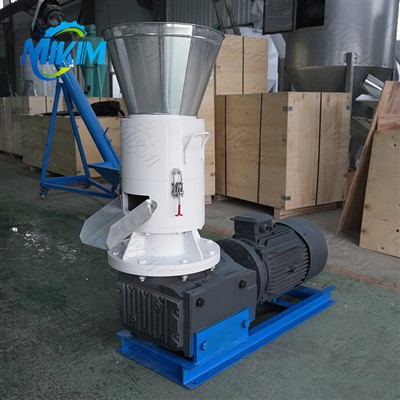
Parameter adjustments should be gradual, not blindly set. Beginners can refer to the following basic parameters: softwood chip temperature 75-85℃, pressure 10-12MPa; hardwood chip temperature 90-105℃, pressure 13-15MPa; initially adjust the feeding speed to 50%-60% of the biomass wood pellet mill's rated capacity to avoid overloading. If processing slightly damp pre-treated pellets, make targeted adjustments: reduce the feed rate by 30%-40% (e.g., adjust from 50Hz to 30-35Hz), increase the temperature by 5-10℃ (from 80℃ to 85-90℃), and appropriately increase the pressure by 5%-10% to ensure pellet formation. New operators should remember: adjust only one parameter at a time, test process for 10 minutes after adjustment, observe the pellet condition, and then decide whether to continue adjusting. Do not change multiple parameters simultaneously.
During the trial production phase, closely observe and adjust promptly. First, feed a small amount of raw material into the Home Use Pellet Mill Wood Pelletizer at a low speed, focusing on three aspects: pellet formation condition (whether it is smooth, without cracks), equipment operating status (whether there is vibration or abnormal noise), and motor current (whether it is within the rated range). If the pellets are loose, first check the moisture content, then appropriately increase the temperature or pressure; if the current exceeds the rated value, it indicates that too much material is being fed or the raw material is too hard, and the feed should be reduced immediately; if equipment vibration occurs, it is highly likely that there are impurities in the raw material or the anchor bolts are loose, and the machine needs to be stopped for troubleshooting. After the initial trial run is successful, gradually increase the feed rate to restore the rated capacity.
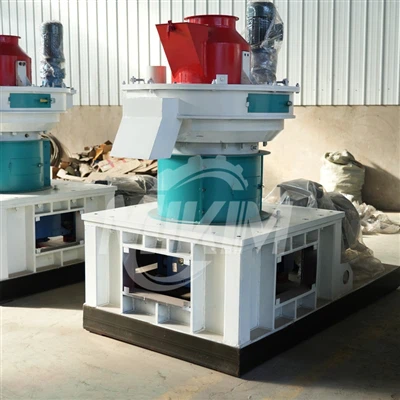
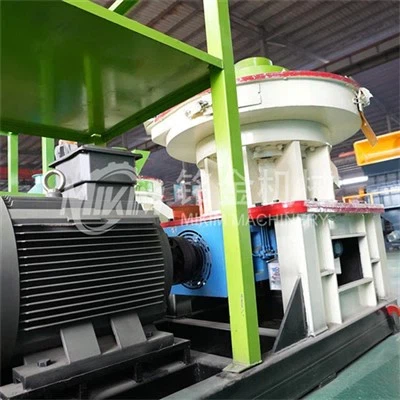
Shutdown and cleaning must be done properly to avoid potential problems. New operators should not abruptly shut down the machine by cutting off the power. The correct procedure is: first, stop the feed and let the equipment idle for 2-3 minutes to process any remaining raw material in the pressing chamber; then, turn off the motor power and disconnect the main power supply; finally, clean the remaining material from the feed inlet, pressing chamber, and discharge outlet, use a special tool to unclog the die holes, and wipe the pressure rollers and the surface of the Flat Die Biomass pelletizer mill die clean. If processing damp pellets, cleaning should be more thorough to prevent clumping of residual material, which could affect future use. Additionally, maintain accurate production records, noting the type of raw material, parameter settings, and pellet quality for the day's production for future reference.
about us
Customer visit

Certificate of Honor

FAQ
1.What is the price of equipment for the small flat die wood pellet making machine?
It costs approximately US$1,500.00 - 25,000.00
2. If equipments have some quality problem, how would you deal with?
We will responsible for all the quality problems. Change all the parts for free.


