


How to Detect Damp Fuel Pellets and Prevent Damage to a small Wood pellet machine?
First, let me teach you three quick and easy methods to determine if fuel pellets are damp. The first method: Touch them. Dry fuel pellets feel hard and smooth, without any stickiness. A handful will quickly disperse when released. If they feel damp and sticky, and clump together after being released, they are damp. The second method: Observe their appearance. Dry pellets have a uniform color, an intact surface, and no cracks or powdering. Damp pellets will appear whitish, softened, and may even have obvious cracks; in severe cases, they will powder and fall off. The third method: Perform a simple combustion test. Take a small amount of pellets and ignite them. Dry pellets burn completely, with a stable flame and little smoke. Damp pellets are difficult to ignite, produce a lot of smoke, crackle, and may even misfire. These three methods allow you to quickly and accurately determine if the pellets are damp, avoiding the use of damp pellets in your equipment.
Next, I want to emphasize the dangers of using damp fuel pellets in a biomass wood pellet machine. This must be avoided. The first hazard is equipment blockage. Moistened granules become more sticky and easily clump together after entering the feed inlet, clogging the feed auger and pressing chamber. This prevents normal feeding, and forcibly starting the machine can overload and overheat the motor, potentially burning it out. The second hazard is accelerated component wear. Moistened granules cannot form properly in the pressing chamber, increasing frictional resistance between the pressure rollers and the die, causing these two core components to wear out more than 30% faster, shortening the equipment's lifespan. The third hazard is affecting granule forming quality. Even if processing is attempted, the produced granules will be loose and prone to cracking, significantly reducing the forming rate, which is equivalent to wasting raw materials and energy.
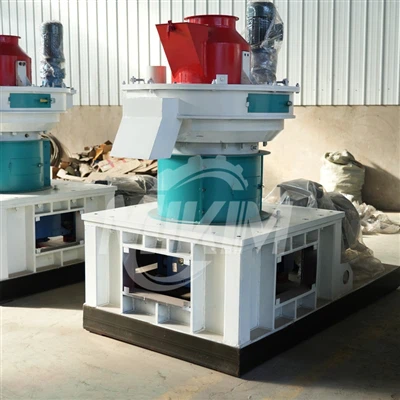
If a small amount of moistened granules accidentally gets mixed in, it must be dealt with promptly to avoid damage to the Wood Chip Fuel Pellet Machine. First, immediately stop feeding and let the machine idle for 2-3 minutes to process any remaining granules in the pressing chamber. Then, shut down the machine and disconnect the power. Clean the clumps of granules from the feed inlet and pressing chamber, and use a special tool to unclog the die holes. After cleaning, feed a small amount of dry granules to test the machine and observe whether the equipment operates normally and whether the granule forming meets the standards. If there are no problems, resume normal production. If a large number of pellets are damp, do not feed them into the equipment. Dry them first until they meet the required standards before use.
Finally, here's a tip to avoid this: When storing fuel pellets, keep them in a dry, well-ventilated warehouse, elevating them 10-15 cm with wooden blocks to prevent contact with ground moisture. Seal them tightly during storage to prevent dampness caused by rain or high humidity during the rainy season. Additionally, before feeding, install a simple humidity detection device at the wood pellet machine's inlet to monitor pellet moisture in real time, preventing damp pellets from entering the machine.
Related equipment

about us
Customer visit

Certificate of Honor

FAQ
1.What is the price of equipment for a small flat die wood pellet mill?
It costs approximately US$1,500.00 - 25,000.00
2. If equipments have some quality problem, how would you deal with?
We will responsible for all the quality problems. Change all the parts for free.


