


Can You Make Money Using a small biomass pellet making machine for Fuel Production?
content
To ensure the continued profitability of fuel production using electric wood pellet makers, effective risk management is crucial, with three main risks needing to be mitigated: First, the risk of raw material supply and price fluctuations. Raw materials are the foundation of production; disruptions in supply or significant price increases will directly squeeze profit margins. For example, a company experienced a surge in raw material purchase prices from 250 yuan/ton to 400 yuan/ton due to the relocation of a nearby timber processing plant, reducing its net profit per ton from 300 yuan to 150 yuan. Mitigation strategies include establishing diversified raw material supply channels, signing long-term supply contracts with nearby timber mills, farmers, and cooperatives to lock in raw material prices, and expanding the variety of raw materials to avoid over-reliance on a single source. Additionally, maintaining a 1-2 month supply of raw materials can address short-term supply shortages.
Second, the risk of market prices and sales channels. Electric wood pellet mill fuel prices are affected by market supply and demand. Shrinking downstream demand or an increase in new entrants could lead to price declines; poor sales can also result in inventory buildup costs. Mitigation Strategies: First, proactively establish stable downstream customer relationships, prioritizing long-term supply contracts with industrial boiler users, livestock farms, and biomass power plants to lock in sales prices and volume. Simultaneously, expand into the residential market, leveraging clean heating policies to enhance market resilience. For example, partner with local heating companies to become designated pellet fuel suppliers, ensuring stable sales. Furthermore, improve product quality, producing high-calorific-value, low-ash premium pellets. Premium pellets can command a price 200 RMB/ton higher than ordinary pellets and are more competitive in the market.
Thirdly, there are policy and environmental risks. Policy changes may affect eligibility for charcoal pellet making machine subsidies and market demand. Failure to meet environmental standards may result in fines and production shutdowns. Mitigation Strategies: Closely monitor policy developments, prioritizing areas supported by policies (such as rural clean heating and industrial coal replacement). Production lines must be equipped with dust removal, desulfurization, and denitrification equipment that meets national standards, and regular environmental testing must be conducted to ensure compliant emissions. Simultaneously, establish comprehensive financial and operational records to facilitate subsidy applications and policy audits.
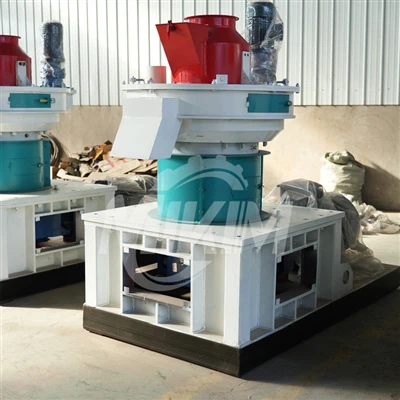
In addition, the risk of equipment failure should also be taken seriously. The service life of the wear parts (pressure rollers, molds) of the best wood pellet mill is 800-1200 hours. It is necessary to stock up on wear parts in advance and maintain the equipment regularly to avoid production interruptions due to equipment failure. By managing the above risks, the profitability and stability of using wood pellet mills to produce fuel will be greatly improved.
Related equipment


about us
Customer visit

Certificate of Honor

FAQ
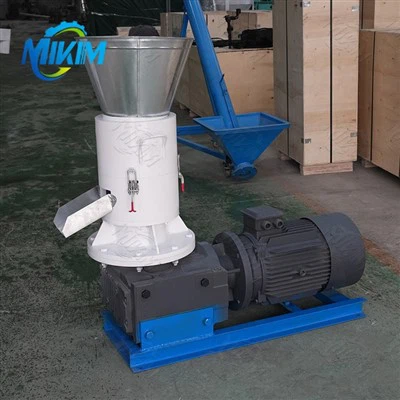
1.What is the price of equipment for the flat die wood pellet making machine?
It costs approximately US$1,500.00 - 25,000.00
2. If equipments have some quality problem, how would you deal with?
We will responsible for all the quality problems. Change all the parts for free.


