


Wood Pellet Machine in Action | High-Efficiency Ring Die Wood Chip Pellet Maker Machine For Sawdust
AI Overview Summary
A high-efficiency Vertical ring die pellet mill machine converts sawdust and biomass waste into dense fuel pellets through high-pressure compression technology. Ring die biomass pellet mills are widely used in commercial biomass fuel production because they provide stable operation, high production capacity, strong pellet density, and continuous industrial processing performance.
These machines are commonly used for processing sawdust, wood shavings, forestry waste, and agricultural biomass materials into renewable fuel pellets for biomass boilers, industrial heating systems, power plants, and renewable energy projects.
Introduction: Why Wood Pellet Production Is Growing Worldwide
As global demand for renewable energy continues to increase, biomass fuel pellets are becoming an important alternative to traditional fossil fuels such as coal and oil.
Large amounts of wood waste and sawdust are generated every year by:
- Wood processing factories
- Furniture manufacturers
- Sawmills
- Forestry operations
- Agricultural processing plants
Instead of discarding or burning these materials as waste, businesses can convert them into high-value biomass fuel pellets.
Wood pellets offer several important advantages:
- Higher fuel density
- Lower transportation costs
- Cleaner combustion
- Lower moisture content
- More stable burning efficiency
- Easier storage and handling
Because of these benefits, wood pellet production has become a fast-growing industry in many countries.
What Is a Ring Die wood stove pellet maker machine?
A ring die wood pellet machine is a type of biomass pelletizing equipment designed for medium and large-scale biomass fuel pellet production.
Unlike flat die pellet machines, ring die pellet mills are built for continuous industrial production and higher processing efficiency.
The machine compresses sawdust and biomass materials through rotating ring die holes under high pressure to produce dense and durable wood pellets.
Ring die pellet mills are widely used in:
Biomass fuel factories
Commercial pellet plants
Renewable energy projects
Industrial fuel production systems
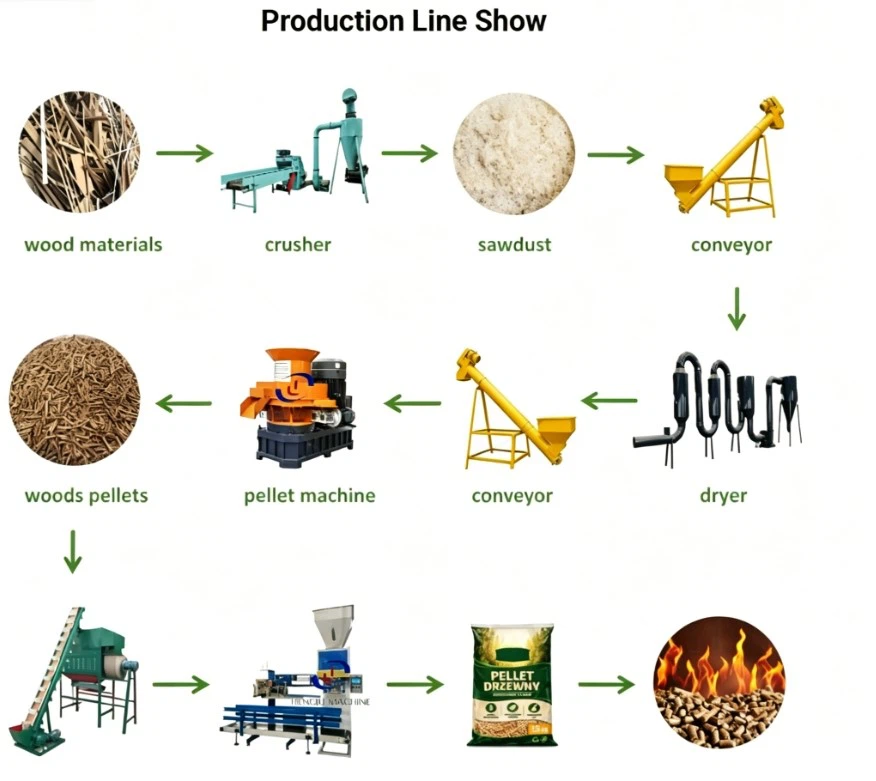
How Wood Pellets Are Made?
The wood pellet production process involves several important stages to ensure pellet quality and production efficiency.
Step 1: Sawdust Raw Material Preparation
The first step is preparing suitable biomass raw materials.
Common materials include:
- Sawdust
- Wood shavings
- Wood chips
- Pine sawdust
- Forestry waste
- Bamboo powder
- Crop residues
Raw material quality directly affects pellet density and combustion performance.
Step 2: Drying Process
Moisture content is one of the most important factors in wood pellet production.
For stable pellet forming, the recommended moisture content is usually around 10%–15%.
If the raw materials contain excessive moisture, a biomass dryer machine may be required before pelletizing.
Proper moisture control helps improve:
Pellet density
Pellet durability
Production efficiency
Step 3: Pelletizing with the vertical ring die pellet machine
This is the core stage of wood pellet production.
The prepared sawdust enters the pelletizing chamber where rollers force the biomass material through the holes of the rotating ring die under high pressure.
During compression:
- Friction generates heat
- Natural lignin softens
- Biomass materials bond together naturally
This process allows dense pellets to form without requiring chemical binders in most cases.
The finished pellets are cut into uniform lengths before discharge.
Step 4: Pellet Cooling Process
Fresh wood pellets are hot after extrusion and contain residual moisture.
A pellet cooling machine helps reduce pellet temperature and stabilize pellet hardness.
Cooling improves:
- Pellet strength
- Storage performance
- Transportation stability
Step 5: Screening and Packaging
After cooling, pellets pass through a screening system to remove dust and broken particles.
Finished pellets are then packaged for transportation or storage.
How Does a ring model biomass granulator Work?
The ring die sawdust pellet mill uses a rotating ring-shaped die combined with pressure rollers to compress biomass materials.
The main working components include:
- Feeding system
- Ring die
- Pressure rollers
- Main motor
- Transmission system
- Lubrication system
As the ring die rotates, the rollers continuously compress the biomass material into the die holes under strong pressure.
The combination of pressure and friction heat creates strong, dense biomass pellets.
Why ring die biomass fuel Pellet making Machines Are More Efficient?
ring die biomass fuel Pellet making Machines are preferred for commercial biomass fuel production because of their high efficiency and stable industrial performance.
1. Higher Production Capacity
Ring die pellet mills can handle larger material volumes compared with small flat die machines.
This makes them suitable for commercial pellet production plants.
2. Continuous Industrial Production
The machine is designed for long working hours and continuous operation.
This improves overall production efficiency.
3. Better Pellet Density
High-pressure compression produces dense pellets with strong hardness and lower breakage rates.
4. Lower Wear Rate
The ring die structure distributes pressure more evenly, helping reduce component wear.
5. Stable Pellet Quality
The machine produces pellets with more uniform size and smoother surface quality.
ring die wood pelletize machine in Action
During operation, the ring die biomass pellet mill demonstrates stable and continuous pellet production performance.
-
Real Production Features
- Smooth material feeding
- Stable pellet discharge
- Uniform pellet size
- Low dust generation
- Continuous production operation
- Strong pellet forming performance
When properly adjusted, the machine can maintain stable pellet quality during long production periods.
Quality of Finished Wood Pellets
High-quality wood pellets are important for fuel efficiency and market value.
The pellets produced by a ring die biomass pellet mill usually offer:
High density
Smooth surface
Strong hardness
Low breakage rate
Stable combustion performance
Lower ash content
Good pellet quality improves storage, transportation, and fuel efficiency.
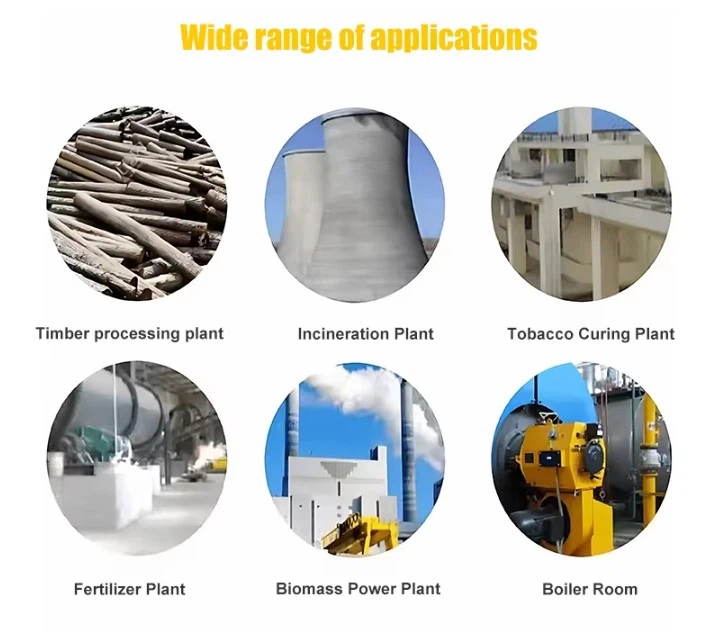
Applications of Wood Pellets
Wood pellets produced by biomass pellet mills are widely used in many industries.
Biomass Boiler Fuel
Wood pellets are commonly used as fuel for biomass boiler systems.
Industrial Heating Systems
Factories use biomass pellets for industrial heating applications.
Biomass Power Plants
Wood pellets can be used for biomass energy generation.
Residential Heating
Pellet stoves and heating systems use wood pellets as clean-burning fuel.
Agricultural Heating Systems
Biomass pellets are used for greenhouse and farm heating systems.
Customer Production Case
A biomass fuel company used a high-efficiency ring die pellet mill to process pine sawdust into industrial fuel pellets for biomass boiler systems.
After optimizing moisture content and raw material particle size, the customer achieved stable pellet density and improved combustion efficiency.
The pellet production system helped the customer reduce waste disposal costs while creating additional fuel product value.
Common Problems in Wood Pellet Production
Pellets Breaking Easily
Possible causes include:
- Incorrect moisture content
- Poor raw material size
- Worn die or rollers
Low Production Efficiency
Possible causes include:
- Wet raw materials
- Improper feeding
- Insufficient pressure
Excessive Dust Generation
Possible causes include:
- Poor pellet density
- Improper cooling
- Incorrect material preparation
Our Biomass Pellet Production Solutions
We provide different biomass pellet production solutions for customers based on production requirements.
Our equipment includes:
- Ring die wood pellet machines
- Flat die pellet mills
- Wood crushers
- Hammer mills
- Biomass dryers
- Pellet cooling machines
- Automatic packing systems
We can help customers design complete biomass pellet production lines according to raw materials and capacity requirements.
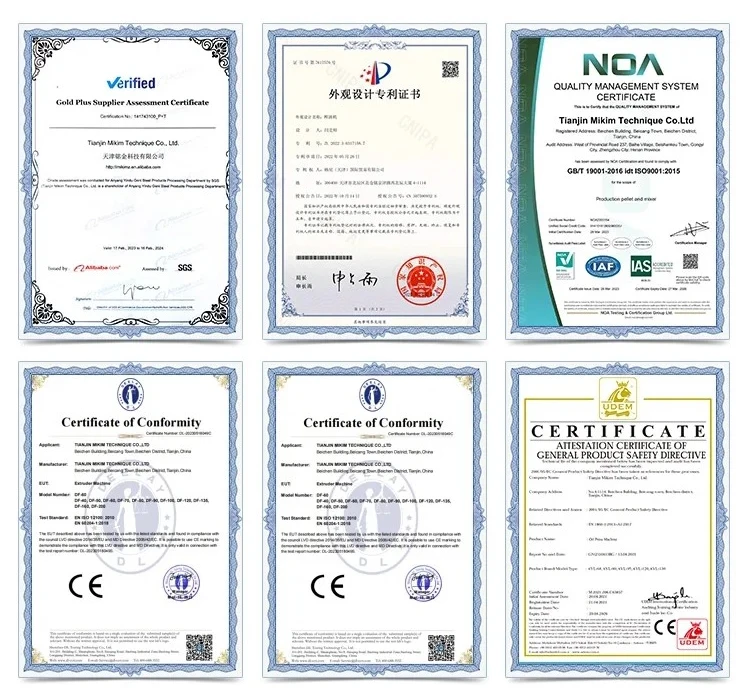
Our Quality Control System
Every biomass pellet machine undergoes strict inspection and testing before shipment.
We focus on:
- Stable machine operation
- Durable machine structure
- Precision manufacturing
- Reliable motor systems
- Continuous running performance
Each machine is tested to ensure stable pellet production performance before delivery.
Professional After-Sales Service
We provide complete technical support for biomass pellet production projects.
Our Services Include
- Installation guidance
- Machine operation training
- Pellet production technical support
- Spare parts supply
- Maintenance guidance
- Online troubleshooting assistance
Our technical team helps customers improve pellet production efficiency and maintain stable long-term operation.
FAQ
What moisture content is best for sawdust pellet production?
The recommended moisture content is usually around 10%–15%.
Why are ring die pellet mills more efficient?
Ring die pellet mills provide higher pressure, continuous operation, and larger production capacity for industrial pellet production.
Can wet sawdust be pelletized directly?
Excessively wet sawdust usually requires drying before pelletizing.
What materials can be used for wood pellet production?
Common materials include sawdust, wood shavings, forestry waste, bamboo powder, and agricultural biomass residues.
Do wood pellets require chemical binders?
Normally no. Natural lignin inside the biomass material acts as a natural binder during compression.
Start Your Biomass Pellet Production Project
If you are looking for an efficient solution for converting sawdust and biomass waste into renewable fuel pellets, a high-efficiency ring die biomass pellet mill can help improve production efficiency and pellet quality.
Whether you are building a commercial biomass fuel plant or expanding an existing pellet production business, we can provide customized biomass pellet production solutions based on your raw materials and capacity requirements.
Contact us today for machine details, production videos, technical consultation, and complete biomass pellet production solutions. 🌲🔥⚙️
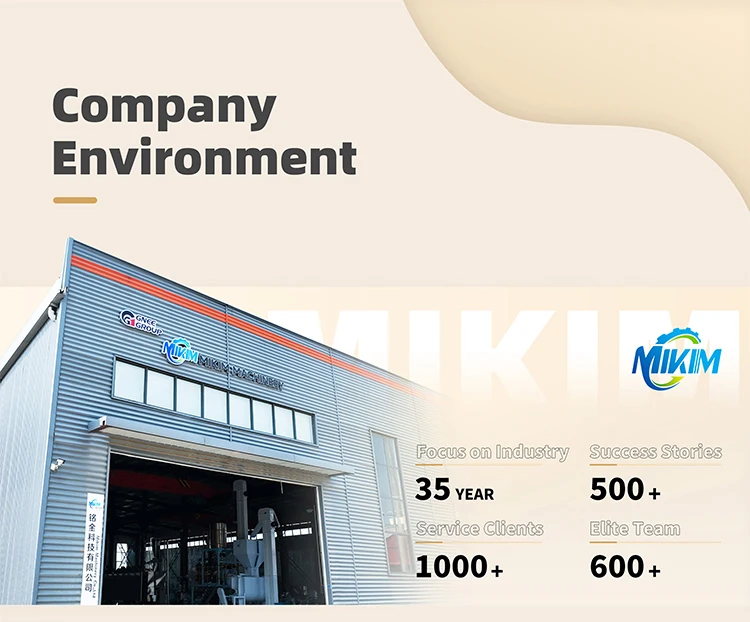
Company Profile

Packaging and shipping

No Information


