


How to choose suitable raw materials to reduce wear and tear on flat die wood pellet making machine?
content
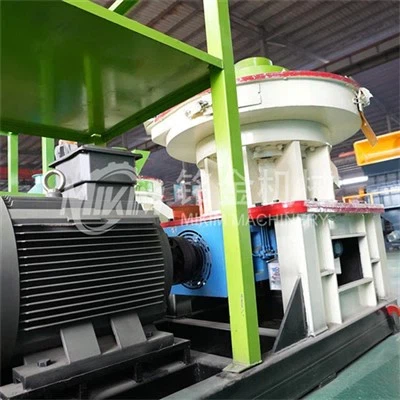
High-quality raw materials are the first line of defense for protecting flat die wood pellet mills. When selecting raw materials, three key indicators must be considered: impurity content, moisture content, and particle size. These three indicators directly determine the wear and tear on the equipment and its operating load. Firstly, impurities in the raw materials are the "hidden killers" of the equipment, especially hard impurities such as metal blocks, stones, and sand. These can directly impact and wear down the pressure rollers and dies, and in severe cases, cause dies to crack and pressure rollers to deform. Therefore, raw materials must be screened before entering the equipment, using vibrating screens or magnetic separators to remove impurities. A biomass fuel plant, due to neglecting raw material screening, experienced frequent die damage, with monthly die replacement costs reaching 5,000 yuan. After installing magnetic separation equipment, the die lifespan was extended by two times, and maintenance costs were significantly reduced.
The moisture content of the raw materials is a key factor affecting the wear and pellet formation of the best electric wood pellet mill. Excessive moisture content (above 18%) causes raw materials to stick together in the pressing chamber, increasing frictional resistance between the pressure rollers and the die, accelerating component wear, and reducing pellet formation rate. Insufficient moisture content (below 10%) results in insufficient material viscosity, requiring greater pressure during pressing, which also increases equipment load. Therefore, the optimal moisture content of raw materials should be controlled between 12% and 15%. If the moisture content is below this range, drying or water spraying is necessary. For example, fresh straw can have a moisture content exceeding 60%, requiring drying to the standard moisture content using a hot air dryer before being fed into the wood pellet mill. Conversely, dried sawdust with too low a moisture content can be sprayed with water before feeding to improve viscosity. One feed mill reduced its equipment's unit energy consumption by 10% and slowed pressure roller wear by 15% by precisely controlling the raw material moisture content.
The particle size of the raw materials also needs strict control. Excessively large particles increase the crushing load on the Biomass Pellet Machine, leading to accelerated wear on the crushing and pressing components. Generally, the particle size of the raw material after crushing should be controlled between 2-5mm. Uniform particle size ensures even pressure distribution during pressing, reducing localized excessive wear. For raw materials with high fiber content, such as straw and reeds, they need to be cut into 2-5cm segments before secondary crushing to ensure the particle size meets the requirements. Excessive particle size variation will lead to uneven feeding and pressure fluctuations within the pressing chamber, affecting pellet quality and increasing equipment vibration and wear. It is recommended to equip the equipment with a grading screen to classify the crushed raw materials, ensuring only those meeting the particle size requirements enter the pressing stage.
Furthermore, different types of raw materials require matching corresponding Wood pellet manufacturing gprocess parameters to avoid equipment wear due to mismatch between raw materials and parameters. For example, woody raw materials have high hardness, requiring a reduction in roller speed and an increase in pressing pressure; straw raw materials have long fibers, necessitating the use of a forced feeding device to prevent the raw material from tangling around the rollers. Simultaneously, avoid long-term processing of highly corrosive raw materials, such as high-salt seaweed or industrial waste containing chemical residues, as these materials will corrode equipment components and shorten their service life. By scientifically selecting and processing raw materials, equipment wear can be reduced from the source, extending the service life of wood pellet machines and improving the economic efficiency of production.
Related equipment



about us
Customer visit

Certificate of Honor

FAQ
1.What is the price of equipment for a small Wood pellet machine?
It costs approximately US$1,500.00 - 28,600.00
2. If equipments have some quality problem, how would you deal with?
We will responsible for all the quality problems. Change all the parts for free.
If you don't how to choose the right hay pellet mill, need flat die type or need ring die type. Just tell us your requirements, budget and more detailed information, our professional experts will help you to choose a hay pellet machine that suits you most.


